
INTRODUCTION
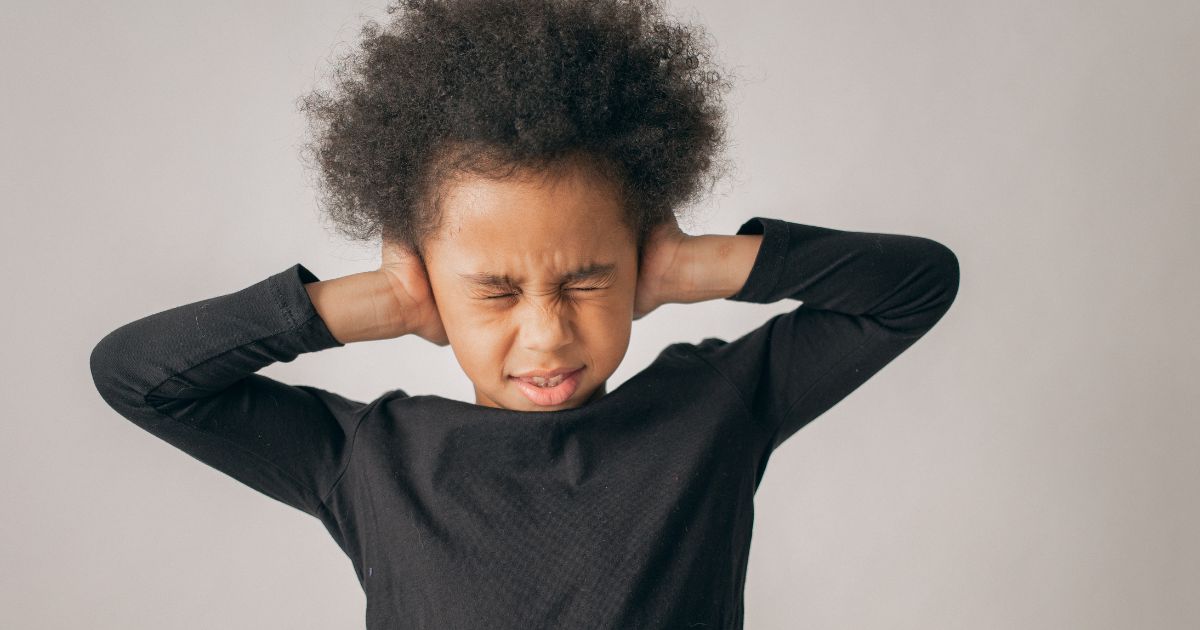
Sensitive child with anxiety struggles can be heartbreaking for parents to watch. Some children seem to feel everything more deeply than others. Loud noises, school pressures, change, conflict, criticism, or even busy environments can leave them feeling overwhelmed and emotionally exhausted.
As a counsellor who has worked with anxiety and emotional wellbeing for many years, I have often noticed that highly sensitive children are usually caring, thoughtful, and deeply aware of the world around them. But because they process emotions so intensely, anxiety can easily take hold if they do not feel emotionally safe and understood.
The good news is this: a sensitive child with anxiety is not weak or broken. With the right support, these children often grow into compassionate, emotionally intelligent adults with remarkable empathy and strength.
In this blog, we will explore 7 powerful ways to help your child feel calmer, more secure, and emotionally confident.
1. Help Your Child Feel Emotionally Safe First
A sensitive child with anxiety needs emotional safety before they can learn coping skills.
Many anxious children constantly wonder:
- “Am I safe?”
- “Am I loved?”
- “Am I going to get into trouble?”
- “Will people laugh at me?”
Instead of immediately trying to “fix” the anxiety, begin by helping your child feel emotionally secure.
Simple reassuring phrases can help:
- “I’m here with you.”
- “You are safe.”
- “Your feelings matter.”
- “We can work through this together.”
Children often calm down faster when they feel understood rather than corrected.
If your child struggles with worry at bedtime, you may also find this helpful:
Bedtime Anxiety in Children: 7 Calm and Comforting Ways to Help
2. Avoid Shaming Sensitive Emotions
Highly sensitive children are sometimes told:
- “Stop overreacting.”
- “Don’t be so sensitive.”
- “You’re too emotional.”
Although these comments may be said out of frustration, they can unintentionally increase anxiety and low self-esteem.
A sensitive child with anxiety often already feels different from other children.
Instead of dismissing emotions, try validating them:
- “I can see this feels really hard for you.”
- “That noise startled you.”
- “I understand why that upset you.”
Validation does not encourage anxiety — it helps children feel emotionally seen.
3. Create Calm Predictable Routines
Sensitive children usually cope better when life feels predictable.
Unexpected changes, rushed mornings, or chaotic evenings can increase stress levels quickly.
Simple routines can help your child feel calmer:
- predictable bedtimes
- quiet wind-down time
- visual schedules
- calm morning routines
- gentle transitions before school
A child who knows what to expect often feels safer emotionally.
If school anxiety is affecting your child, this related post may help:
Why Is My Child Anxious at School? 7 Powerful Reasons Every Parent Should Understand
4. Teach Your Child How to Calm Their Nervous System
A sensitive child with anxiety can become emotionally overloaded very quickly.
Teaching calming skills early can make a huge difference.
Try:
- slow deep breathing
- gentle stretching
- listening to calming music
- cuddling a soft toy
- sensory calming activities
- quiet time away from overstimulation
Even simple breathing exercises can help reduce anxious feelings.
One technique many children enjoy is:
“Smell the flower… blow out the candle.”
Helping children calm their body teaches them that anxiety can pass safely.
5. Build Confidence Through Small Successes
Anxiety often makes sensitive children doubt themselves.
They may avoid:
- new activities
- speaking in class
- making friends
- trying unfamiliar things
Confidence grows slowly through small achievable wins.
Instead of pushing your child too far too quickly, focus on tiny steps:
- saying hello to one child
- answering one question in class
- staying at an activity for 10 minutes
- trying one new experience
Every small success helps build emotional resilience.
6. Watch for Overstimulation
Some sensitive children become anxious simply because their environment feels too overwhelming.
Busy classrooms, loud shops, crowded events, or constant screen time can emotionally overload them.
Signs of overstimulation may include:
- irritability
- tears
- meltdowns
- withdrawal
- stomach aches
- refusing activities
A sensitive child with anxiety may need more quiet recovery time than other children.
Try creating calm spaces at home where your child can decompress emotionally.
7. Help Your Child Feel Accepted for Who They Are
Perhaps the most important thing a sensitive child with anxiety needs is acceptance.
Your child does not need to become louder, tougher, or less emotional to have worth.
Sensitivity is not a flaw.
In many cases, sensitive children are:
- deeply compassionate
- creative
- thoughtful
- emotionally aware
- kind-hearted
When children feel accepted instead of “wrong,” anxiety often begins to soften.
Remind your child:
- “You don’t have to change who you are.”
- “Your sensitive heart is something special.”
- “You are loved exactly as you are.”
A Gentle Resource That May Help
If your child struggles with worry and emotional overwhelm, my book Murphy Helps with Worries — Learning to Feel Safe and Calm Inside may offer gentle reassurance and encouragement for young children.You can find it HERE IN MY SHOP
also in AMAZON:
Explore all my children’s emotional wellbeing books here:
MURPHY’S BRAVE & CALM SERIES
Final Thoughts on Supporting a Sensitive Child with Anxiety
Supporting a sensitive child with anxiety requires patience, gentleness, and understanding. These children often experience the world more intensely than others, but with emotional support and calm reassurance, they can learn to feel secure and confident.
Remember, progress may be slow at times. Sensitive children are not trying to be difficult — they are trying to feel safe in a world that sometimes feels overwhelming.
Over time, your calm presence can become the safe place your child returns to when anxiety rises.
You may also find these related blogs helpful:
- How to Stop a Child Worrying: 7 Reassuring Techniques That Truly Help
- 7 Gentle and Powerful Ways to Calm a Worried Child That Really Help
Sensitive children often take hurtful words deeply to heart, especially when they feel excluded or rejected by others. If your child has ever said, “Nobody likes me,” you may also find comfort and support in my related article, “Child Says Nobody Likes Me: 7 Powerful Ways to Build Confidence and Hope.” It shares gentle strategies to help children rebuild confidence, feel understood, and develop emotional resilience.
Free Printable for Children
Download your Free Murphy colouring page HERE