
INTRODUCTION
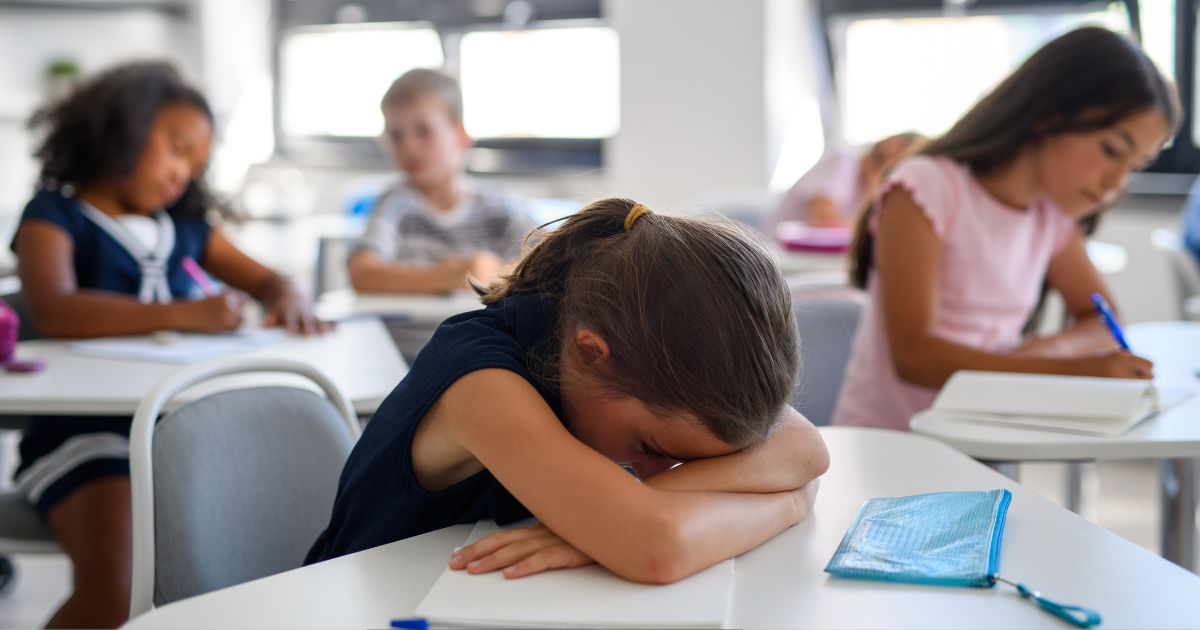
School anxiety in children is not always easy to recognise. While some children tell their parents they are frightened to go to school, many hide their worries behind stomach aches, tears, anger, clinginess, tiredness or sudden changes in behaviour.
As a counsellor, I worked with many children whose anxiety wasn’t immediately obvious. Parents often believed their child was simply tired, being difficult or going through a phase, when in reality they were struggling emotionally every school day.
The earlier parents recognise the warning signs, the sooner they can offer reassurance and support. In this article, we’ll look at 7 hidden warning signs of school anxiety in children, so you can spot them early and help your child feel safe again.
What Is School Anxiety in Children?
School anxiety in children refers to intense worry, fear, or emotional distress linked to school or situations surrounding school. Some children fear being separated from parents, while others worry about social situations, making mistakes, classroom pressure, or simply coping with overwhelming emotions throughout the school day.
An anxious child at school may not always say, “I feel anxious.” Instead, their anxiety often shows itself through behaviour, physical symptoms, or emotional changes.
Not sure whether your child is actually experiencing school anxiety? Before exploring the possible causes, it can help to recognise the early warning signs. Read my guide: School Anxiety in Children: 7 Hidden Warning Signs That Often Go Unnoticed.
If you’re wondering what might be causing your child’s school anxiety, I’ve written a separate guide called Why Is My Child Anxious at School? 7 Powerful Reasons Every Parent Should Know, which explores the most common underlying causes.
1. Frequent Stomach Aches or Feeling Sick Before School
One of the most common signs of school-related anxiety in children is recurring physical complaints before school.
Your child may regularly say:
- “My tummy hurts.”
- “I feel sick.”
- “I have a headache.”
Often, these symptoms become stronger on school mornings and improve once the child stays home or during weekends and holidays.
This does not mean your child is pretending. Anxiety can create very real physical sensations in the body.
2. Tearfulness or Clinginess
Some children struggling with school anxiety in children become unusually clingy before school.
They may:
- Cry at the school gate
- Refuse to leave a parent
- Panic when getting dressed for school
- Beg to stay home
Younger children especially may struggle to separate emotionally when they feel unsafe or overwhelmed internally.
Parents sometimes feel embarrassed or frustrated during these moments, but underneath the behaviour is often fear rather than defiance.
3. Trouble Sleeping Before School Days
An anxious child at school may also struggle at bedtime.
You may notice:
- Difficulty falling asleep
- Nightmares
- Wanting repeated reassurance
- Waking during the night
- Increased anxiety on Sunday evenings
The child’s mind may already be anticipating the stress of the next school day.
If your child struggles with worries generally, you may also find this article helpful:
Why Is My Child So Anxious? 7 Powerful Insights Every Parent Needs
4. Anger or Emotional Outbursts
Not all anxiety looks fearful or withdrawn. Sometimes anxiety at school in children appears as anger, irritability, or emotional explosions.
A child who feels emotionally overwhelmed all day may release their bottled-up feelings once they return home.
You may notice:
- Sudden meltdowns after school
- Anger over small things
- Defiance
- Shouting or crying easily
- Emotional exhaustion
Many sensitive children work incredibly hard to “hold it together” during the school day.
5. Withdrawal From Friends or Activities
A child struggling emotionally at school may begin withdrawing socially.
They may:
- Stop talking about friends
- Avoid clubs or activities
- Isolate themselves
- Spend more time alone
- Lose confidence socially
Sometimes parents assume the child is simply shy, but withdrawal can be a hidden sign of emotional distress or school anxiety in children.
Gentle Support Can Make a Big Difference
If your child struggles with worries or emotional overwhelm, my gentle storybook
Murphy Helps with Worries – Learning to Feel Safe and Calm Inside may help encourage calm conversations and reassurance. Can be purchased on. MY SHOP HERE
You can also explore all my children’s emotional wellbeing books here:
Explore all my children’s emotional wellbeing books here
Murphy Helps with worries is also available on Amazon.
6. Constant Worry About Mistakes or Getting Things Wrong
Many children with school anxiety in children place enormous pressure on themselves.
They may:
- Fear getting answers wrong
- Become upset over small mistakes
- Seek constant reassurance
- Avoid trying new things
- Panic over homework or tests
Perfectionism and anxiety often go hand in hand.
Sensitive children especially may quietly carry heavy emotional pressure that adults around them do not immediately see.
7. Refusing School or Begging to Stay Home
School refusal anxiety can develop gradually or suddenly.
Your child may:
- Cry intensely before school
- Refuse to get dressed
- Become distressed on Sunday evenings
- Constantly ask to stay home
- Show panic before leaving the house
When this happens repeatedly, it is important to respond with calm curiosity rather than punishment or shame.
Children rarely choose overwhelming anxiety intentionally.
How Parents Can Gently Support an Anxious Child
Here are a few gentle ways parents can support a worried child at school:
Stay Calm
Your calm presence helps your child feel emotionally safer.
Listen Without Immediately Fixing
Sometimes children mainly need to feel understood.
Validate Feelings
Phrases like:
- “That sounds really hard.”
- “I can see you’re worried.”
- “You’re not alone.”
can help children feel emotionally supported.
Keep Routines Predictable
Predictability often helps reduce anxiety.
Speak With the School
Teachers and staff may notice patterns or struggles that can help you understand what is happening.
If your child needs additional calming support, you may also find this helpful:
7 Gentle and Powerful Ways to Calm a Worried Child That Really Help
Final Thoughts
Recognising school anxiety in children early can help parents respond with patience, reassurance, and emotional understanding before anxiety grows deeper.
Many anxious children are highly sensitive, thoughtful, caring children who simply feel overwhelmed internally. With gentle support, calm reassurance, and emotional safety, children can gradually build confidence and feel more secure at school again.
You can also download a free Murphy colouring page to encourage calm conversations and emotional connection with your child.
And if you would like more gentle support resources,
Explore all my children’s emotional wellbeing books here