
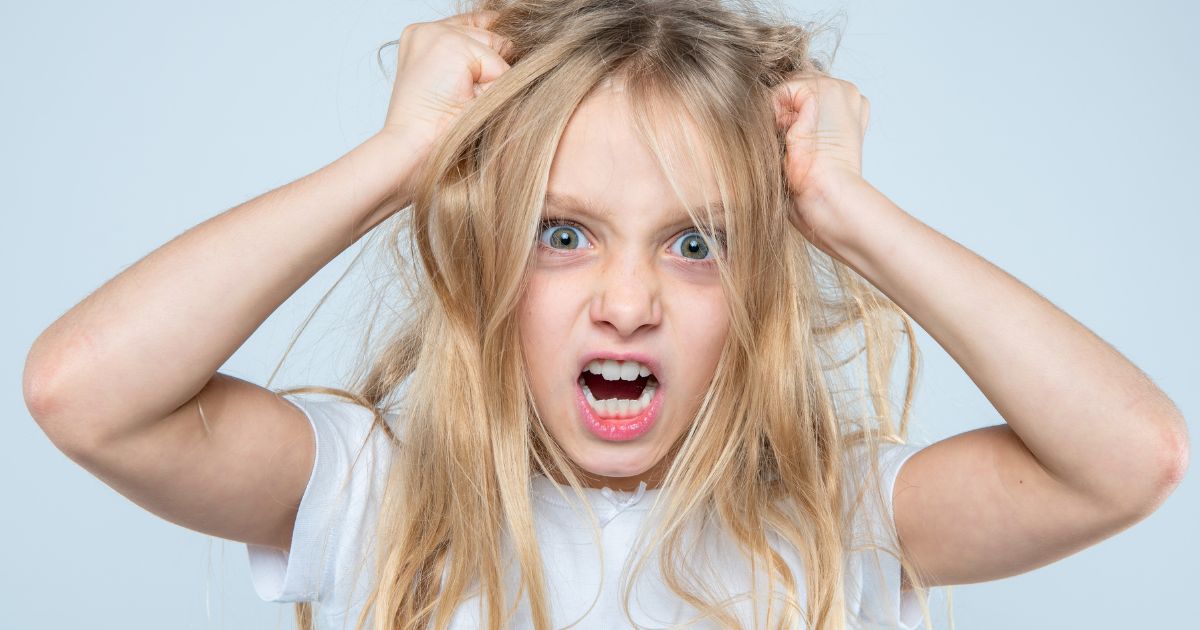
Why does my child get angry so easily? This is one of the most common questions parents ask when their child seems to explode over small things, shouts suddenly, slams doors, or becomes overwhelmed very quickly.
Many parents feel confused and exhausted when their child seems to explode over small things. Often, anger is not simply “bad behaviour,” but a sign that a child is struggling to manage overwhelming emotions inside. Learning healthy calming skills early can make a huge difference. You may also find this helpful: 7 Powerful Emotional Regulation Activities for Kids That Really Help, where I share gentle, practical ways to help children calm big feelings naturally and safely.
If you constantly find yourself asking, “why does my child get angry so easily?” you are not alone. Many loving parents struggle to understand sudden emotional outbursts and intense reactions in young children.
As a counsellor, I have worked with many parents who feel exhausted, confused, and sometimes even guilty about their child’s anger. Often, these parents are loving and caring, yet they feel like they are constantly walking on eggshells. The good news is that anger in children is usually a signal — not simply bad behaviour.
Children often do not yet have the emotional skills to explain what is happening inside them. Anger may be covering fear, frustration, anxiety, tiredness, sensory overwhelm, or deep emotional hurt.
Understanding why your child gets angry so easily can help you respond with greater calm, wisdom, and confidence.
1. Your Child May Feel Emotionally Overwhelmed
Some children experience emotions more intensely than others. Small disappointments can feel enormous to them.
A change in routine, being told “no,” losing a game, or struggling at school may quickly trigger emotional overload.
When children become overwhelmed, the thinking part of the brain becomes less active, and emotions take over. This is why logical explanations often do not work during a meltdown.
Instead of immediately correcting behaviour, try helping your child feel emotionally safe first.
You might calmly say:
“I can see you’re really upset right now. I’m here with you.”
Children often calm faster when they feel understood instead of shamed.
2. Anger Is Sometimes a Sign of Anxiety
Parents are often surprised to learn that anxiety can appear as anger.
A worried child may become irritable, defensive, or reactive because their nervous system is already under stress.
If you have been asking yourself, why does my child get angry so easily, it may help to look underneath the anger itself.
For many families, the deeper question is not simply behaviour management, but understanding why their child gets angry so easily in the first place.
Is your child:
- worried about school?
- struggling socially?
- fearful of failure?
- anxious about separation?
- overwhelmed by change?
Many anxious children do not say, “I feel scared.”
Instead, the fear comes out sideways as frustration and anger.
You may also enjoy reading: Why Is My Child So Anxious? 7 Powerful Insights Every Parent Needs
3. Some Children Struggle With Emotional Regulation
Children are not born knowing how to calm themselves.
Emotional regulation is a skill that develops slowly over time and is strongly influenced by temperament, stress, environment, and emotional support.
Some children naturally find it harder to pause before reacting.
This does not make them “bad” children.
It means they need guidance, patience, and repeated emotional coaching.
Helpful calming strategies may include:
- deep breathing together
- quiet sensory breaks
- movement and exercise
- naming feelings aloud
- visual calm-down charts
- predictable routines
Over time, children begin borrowing calm from the adults around them.
4. Tiredness, Hunger, and Overstimulation Matter More Than We Think
Sometimes the answer to why does my child get angry so easily is surprisingly practical.
Children are far more emotionally reactive when they are:
- overtired
- hungry
- overstimulated
- spending too much time on screens
- lacking downtime
A child who has coped all day at school may release all their emotions at home because home feels safe.
This is very common.
Try noticing patterns:
- Does anger happen after school?
- Before meals?
- At bedtime?
- During busy environments
When parents repeatedly wonder, “why does my child get angry so easily?” it can help to look beyond the anger itself and explore what emotional needs may be hidden underneath.
Recognising triggers can help prevent emotional explosions before they happen.
5. Children Often Mirror the Emotional Atmosphere Around Them
Children are deeply sensitive to emotional tension.
Even when adults think they are hiding stress well, children often absorb anxiety, conflict, pressure, or emotional unpredictability around them.
This does not mean parents are to blame.
Life can be stressful, and no parent responds perfectly all the time.
However, calmer emotional environments often help children feel more emotionally secure.
Sometimes the most powerful thing a parent can do is slow the atmosphere down.
Lowering your voice instead of raising it can completely change the emotional direction of a situation.
6. Big Feelings Often Hide Deeper Emotional Needs
Anger can sometimes be the visible emotion covering deeper hurts underneath.
Children may feel:
- lonely
- left out
- misunderstood
- embarrassed
- powerless
- insecure
A child who says “Leave me alone!” may actually need reassurance and connection.
When parents only focus on stopping the behaviour, the deeper emotional need can be missed.
Curiosity is often more helpful than immediate punishment.
Try asking yourself:
- What happened before this?
- What feeling might be underneath the anger?
- What is my child struggling to express?
Understanding the emotion beneath the behaviour can transform how we respond.
7. Your Child Needs Calm Leadership — Not Perfection
One of the hardest parts of parenting an angry child is staying calm yourself.
But children do not need perfect parents.
They need emotionally safe parents.
If your child gets angry easily, remember:
- you are not failing
- your child is not broken
- emotional growth takes time
Children learn emotional regulation gradually through repeated safe experiences with calm adults.
Sometimes your calm presence matters more than finding the perfect words.
A Gentle Resource That May Help
If your child struggles with anger, frustration, or overwhelming emotions, my children’s book:
Murphy Helps with Big Feelings – Turning Anger Into Calm
offers gentle emotional support for young children learning how to manage big emotions safely.
You can explore the book here: Amazon link
Helpful Related Articles for Parents
You may also find these supportive articles helpful:
- 7 Gentle & Powerful Ways to Calm a Worried Child That Really Help
- Why Is My Child So Sensitive? Powerful Insights Every Parent Needs
These articles can help parents better understand the emotional world behind children’s behaviour.
Final Thoughts
If you have been wondering, why does my child get angry so easily, try to remember that anger is often communication.
Children usually behave better when they feel safer, calmer, understood, and emotionally supported.
With patience, emotional coaching, healthy boundaries, and calm connection, children can gradually learn healthier ways to manage frustration and big feelings.
Progress may feel slow at times, but small emotional moments repeated consistently can make a powerful long-term difference.
If you have been asking yourself, why does my child get angry so easily, remember that anger is often a child’s way of expressing emotions they cannot yet manage or explain. Understanding why your child gets angry so easily is the first step toward helping them feel calmer, safer, and more emotionally secure over time.
Many parents feel confused and exhausted when their child seems to explode over small things. Often, anger is not simply “bad behaviour,” but a sign that a child is struggling to manage overwhelming emotions inside. Learning healthy calming skills early can make a huge difference. You may also find this helpful: 7 Powerful Emotional Regulation Activities for Kids That Really Help, where I share gentle, practical ways to help children calm big feelings naturally and safely.
Free Printable for Parents
You can also download a free Murphy colouring page to help children relax, slow down, and feel calm through creative activity.


