
INTRODUCTION
Calming activities for anxious kids can make a remarkable difference when a child feels overwhelmed by worries, fears, or nervous thoughts. Anxiety can affect children in many ways, from difficulty sleeping and tummy aches to clinginess, irritability, and avoiding situations that feel uncomfortable.
As a counsellor for many years, I have worked with many parents who felt helpless watching their child struggle with anxiety. One of the most encouraging things I have learned is that children often respond well to simple, practical activities that help their minds and bodies feel safe again.
The good news is that you do not need complicated techniques or expensive resources. Many of the most effective calming activities for anxious kids are simple, enjoyable, and easy to do at home.
Let’s explore ten powerful activities that really work.
Why Calming Activities for Anxious Kids Matter
When children become anxious, their nervous system can switch into “fight, flight, or freeze” mode. Their bodies release stress hormones, making it difficult to think clearly or relax.
Regular calming activities for anxious kids help by:
- Slowing breathing
- Reducing physical tension
- Providing a sense of safety
- Improving emotional regulation
- Building confidence and resilience
The more children practise calming skills, the easier it becomes for them to use these skills when anxiety appears.
1. Create a Calm Jar
A calm jar is a simple bottle filled with water, glitter, and a little glue.
When your child shakes the jar, the glitter swirls around before slowly settling.
As they watch the glitter settle, encourage them to imagine their worried thoughts settling too.
This is one of the most effective calming activities for anxious kids because it combines visual focus with relaxation.
2. Go on a Nature Walk
Nature has a naturally calming effect on the brain.
Take a gentle walk and encourage your child to notice:
- Five things they can see
- Four things they can hear
- Three things they can touch
- Two things they can smell
- One thing they appreciate
This grounding exercise helps move attention away from anxious thoughts and back into the present moment.
3. Draw Their Worries
Many children find it easier to draw feelings than talk about them.
Ask your child:
“If your worry had a shape, colour, or face, what would it look like?”
Drawing can help children express emotions safely while reducing the intensity of their anxiety.
4. Try Bubble Breathing
Bubble breathing is a favourite among younger children.
Pretend to blow giant bubbles together.
Explain that slow breaths make the biggest bubbles.
Breathe in slowly through the nose and gently blow out through the mouth.
This teaches children how to slow their breathing naturally.
Looking for More Breathing Activities?
Bubble breathing is just one of many simple techniques that can help children calm their minds and bodies. If your child enjoys breathing exercises, you may also find this helpful:
7 Simple Breathing Exercises for Children That Help Calm Big Feelings
This guide shares easy, child-friendly breathing activities that can reduce anxiety, improve emotional regulation, and help children feel calmer when big feelings appear.
5. Build a Calm Corner
Every child can benefit from having a safe place to relax.
Include:
- Cushions
- Soft blankets
- Favourite books
- Colouring pages
- Sensory toys
A calm corner gives anxious children a place where they can reset when emotions feel overwhelming.
Helpful Resource for Parents
If your child struggles with worries, you may also enjoy our pillar guide:
This article contains additional calming tools that complement the activities shared here.
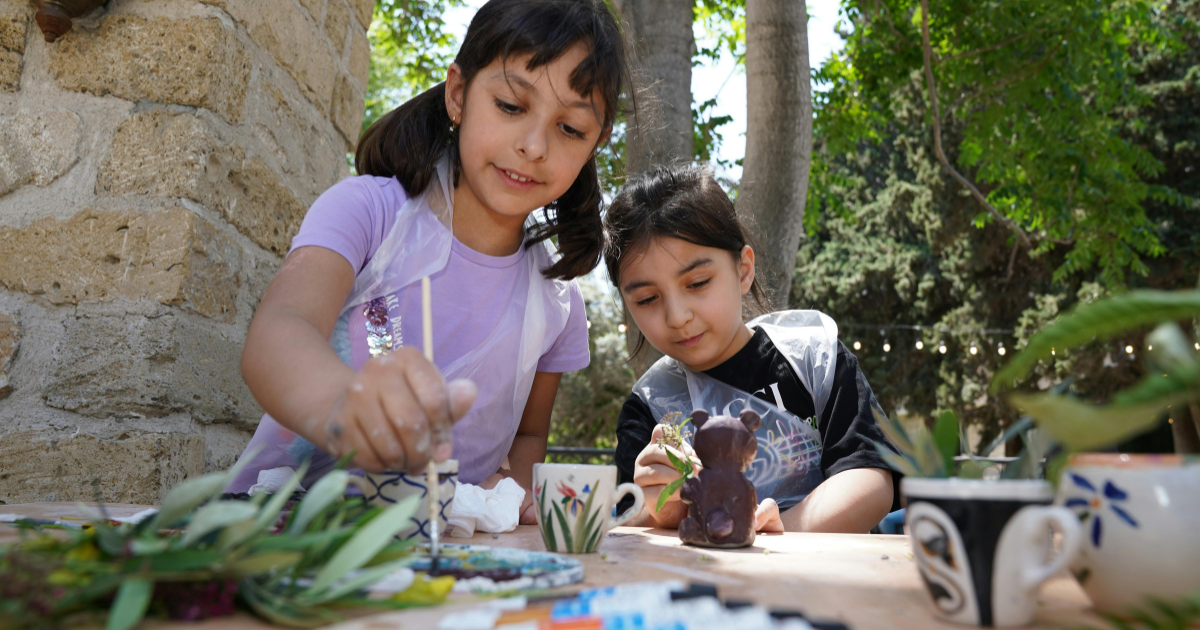
6. Colouring and Creative Crafts
Colouring can be surprisingly therapeutic.
The repetitive movement helps calm the nervous system while encouraging concentration.
Simple craft projects can also reduce anxiety by helping children focus on creating something positive.
7. Listen to Gentle Music
Music can have a powerful impact on emotions.
Create a “calm playlist” containing:
- Nature sounds
- Soft piano music
- Relaxing instrumental music
- Gentle worship music
Many parents find this becomes one of their child’s favourite calming activities.
8. Practise Positive Self-Talk
Anxious children often tell themselves:
- “I can’t do it.”
- “Something bad will happen.”
- “Everyone will laugh at me.”
Help them replace these thoughts with:
- “I can be brave.”
- “I can try my best.”
- “I have handled difficult things before.”
Repeated positive self-talk builds emotional confidence over time.
Murphy Can Help Too
Many parents tell me that children learn best through stories.
Murphy Helps with Worries gently teaches children how to manage anxious feelings and develop calming strategies.
Explore all my children’s emotional wellbeing books here: MURPHY’S BRAVE & CALM SERIES (my shop)
You can also find Murphy books on Amazon. – Here
9. Use a Worry Box
Give your child a small decorated box.
Whenever a worry appears, encourage them to write or draw it and place it inside.
This helps children “put down” worries instead of carrying them all day.
Many anxious children find this activity surprisingly comforting.
10. Practise Simple Mindfulness
Mindfulness teaches children to focus on the present moment.
Try asking:
- What can you see?
- What can you hear?
- What can you feel right now?
Even one minute of mindfulness can help reduce anxious feelings.
Among all the calming activities for anxious kids, mindfulness is one of the most valuable lifelong skills.
When Anxiety May Need Additional Support
While these activities can help many children, some children may need additional support.
Consider speaking to a healthcare professional if anxiety:
- Interferes with school
- Prevents friendships
- Causes ongoing distress
- Leads to frequent physical symptoms
Early support can make a significant difference.
Final Thoughts on Calming Activities for Anxious Kids
Calming activities for anxious kids do not need to be complicated. Small, consistent moments of connection, creativity, movement, and relaxation can help children feel safer and more confident.
Remember that every child is different. Some children will love crafts, while others respond best to movement, music, or mindfulness. The goal is not perfection but helping your child discover what works best for them.
If you’re looking for more ideas, You may also enjoy:
5 Simple Ways to Calm a Worried Child Quickly
Free Printable Colouring Page
Looking for another calming activity?
Download your free Murphy colouring page here and enjoy a relaxing activity together: