
INTRODUCTION
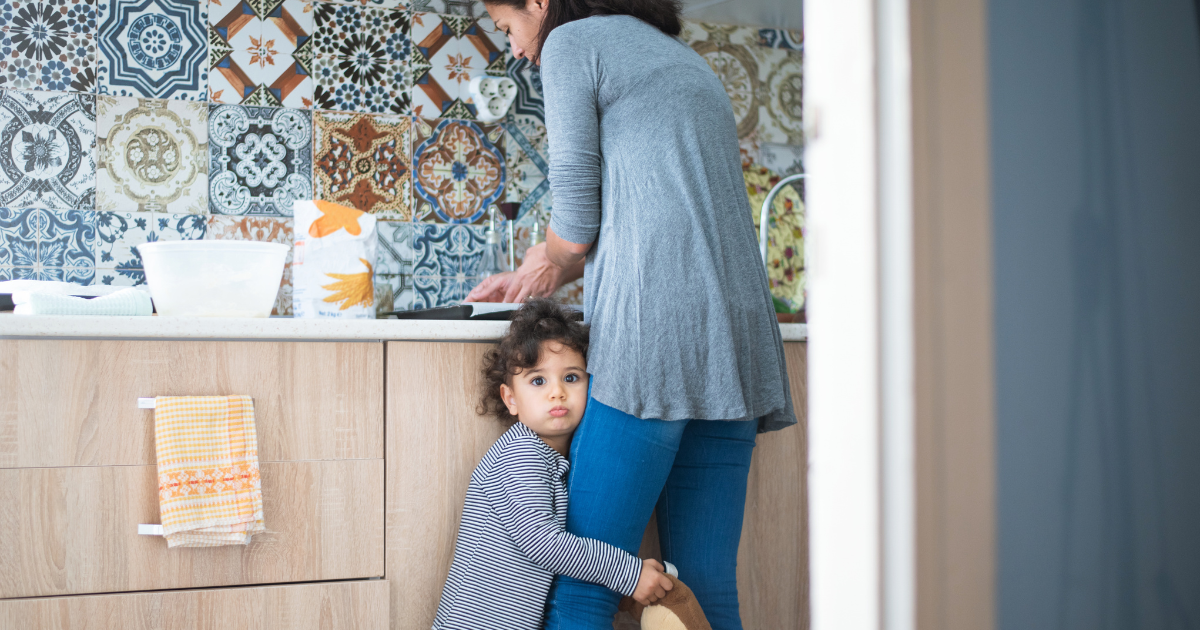
Child hides behind parent behaviours are surprisingly common, especially during the preschool and primary school years. Many parents feel concerned when their child clings to them, avoids eye contact, or refuses to speak when meeting new people.
As a counsellor, I have worked with many families who worried that their child was too shy or lacked confidence. One mother told me her daughter would happily chat at home but would instantly hide behind her legs whenever visitors arrived. Another parent feared their son would never make friends because he always stayed close to him at social gatherings.
The good news is that when a child hides behind parent behaviours occur, it is usually not a sign that something is wrong. More often, it is a sign that your child needs time, reassurance, and gentle support to develop social confidence.
Let’s explore why this happens and how you can help.
Why Does a Child Hide Behind a Parent?
When a child hides behind parent behaviour appears, it is often a way of feeling safe.
Children may hide behind a parent because:
- They feel shy around unfamiliar people.
- They are naturally cautious.
- They feel overwhelmed by noise or activity.
- They worry about being judged or making mistakes.
- They struggle with social anxiety.
- They need time to warm up in new situations.
Remember, hiding behind you is often your child’s way of saying:
“I don’t feel ready yet.”
1. Avoid Forcing Your Child to Interact
One of the biggest mistakes well-meaning adults make is pushing a child to speak before they feel comfortable.
Comments such as:
- “Go and say hello.”
- “Don’t be shy.”
- “Answer the lady.”
can increase pressure and anxiety.
If your child hides behind parent behaviours are common, allow them to observe first. Children often need time to assess whether a situation feels safe.
A gentle approach builds confidence far more effectively than forcing participation.
2. Prepare Them Before Social Situations
Children cope better when they know what to expect.
Before attending:
- Birthday parties
- Family gatherings
- School events
- Playdates
talk through what will happen.
You might say:
“We’ll arrive, say hello to Grandma, then we’ll have some lunch and play games.”
Predictability helps reduce uncertainty and can lessen the tendency for a child to hide behind a parent.
If your child struggles in social situations generally, read:
How to Help a Shy Child at School: 7 Gentle Ways to Build Confidence
3. Praise Small Steps
Confidence grows through small successes.
Rather than waiting for major achievements, celebrate little victories:
- Making eye contact
- Smiling at someone
- Saying hello
- Joining a game for a few minutes
You might say:
“I noticed you smiled at that little boy today. That was very brave.”
Small encouragement helps children build positive associations with social situations.
4. Let Them Borrow Your Confidence
Children learn by watching us.
When your child hides behind parent behaviours appear, demonstrate calm social interactions yourself.
Let them observe you:
- Greeting people warmly
- Starting conversations
- Smiling confidently
- Handling mistakes calmly
Children often borrow confidence from trusted adults until they develop their own.
5. Create Opportunities for Gentle Social Practice
Social confidence develops like any other skill—it improves with practice.
Start small:
- Invite one child over for a playdate.
- Arrange short meetups.
- Visit quieter playgrounds.
- Attend small groups rather than large events.
Gradual exposure helps children feel successful rather than overwhelmed.
Help Your Child Build Confidence with Murphy
Many children relate to stories more easily than advice.
Murphy Finds His Brave Heart found on my shop, gently teaches children how to face fears, build confidence, and discover courage one step at a time.
Explore all my children’s emotional wellbeing books here:
My Shop: Murphy’s Brave & Calm Series
Amazon: Murphy’s Brave & Calm Series
Stories often help children realise they are not the only ones who feel nervous or shy.
6. Avoid Labelling Your Child as Shy
Children often become what they repeatedly hear about themselves.
When adults say:
- “He’s shy.”
- “She’s always nervous.”
- “She never talks.”
children may begin to believe these labels define them.
Instead try:
- “You like to take your time.”
- “You are thoughtful.”
- “You warm up when you feel comfortable.”
These descriptions encourage growth rather than limitation.
7. Focus on Progress, Not Perfection
Some children are naturally outgoing.
Others are naturally reserved.
Neither personality style is wrong.
The goal is not to turn your child into the loudest person in the room. The goal is helping them feel comfortable enough to participate, make friends, and express themselves confidently.
When a child hides behind parent behaviours occur, focus on gradual progress rather than immediate change.
Building Long-Term Social Confidence
If your child frequently hides behind you, they may benefit from broader confidence-building strategies.
One of the most effective resources is our guide:
7 Powerful Ways to Help a Shy Child Build Confidence and Make Friends
This comprehensive guide explores practical ways parents can help shy children feel more confident in social situations and develop lasting friendships.
You may also find this helpful:
Why Is My Child Afraid to Talk to Others? 7 Powerful Insights and Encouragement for Parents
Both articles provide additional strategies for supporting children who feel nervous around others.
Final Thoughts
When a child hides behind parent behaviours appear, it can be worrying for parents. However, in most cases, it reflects caution rather than a serious problem.
With patience, encouragement, and gentle opportunities to practise social skills, most children gradually become more confident.
Remember, today’s child who hides behind you may become tomorrow’s child who confidently walks into a room, makes new friends, and enjoys new experiences.
Your calm support today is helping build that confidence for tomorrow.
Free Printable Colouring Page
Looking for a fun way to encourage confidence and calm conversations?
Download your free Murphy colouring page here:
Perfect for quiet moments, confidence-building discussions, and emotional wellbeing activities.


