
INTRODUCTION
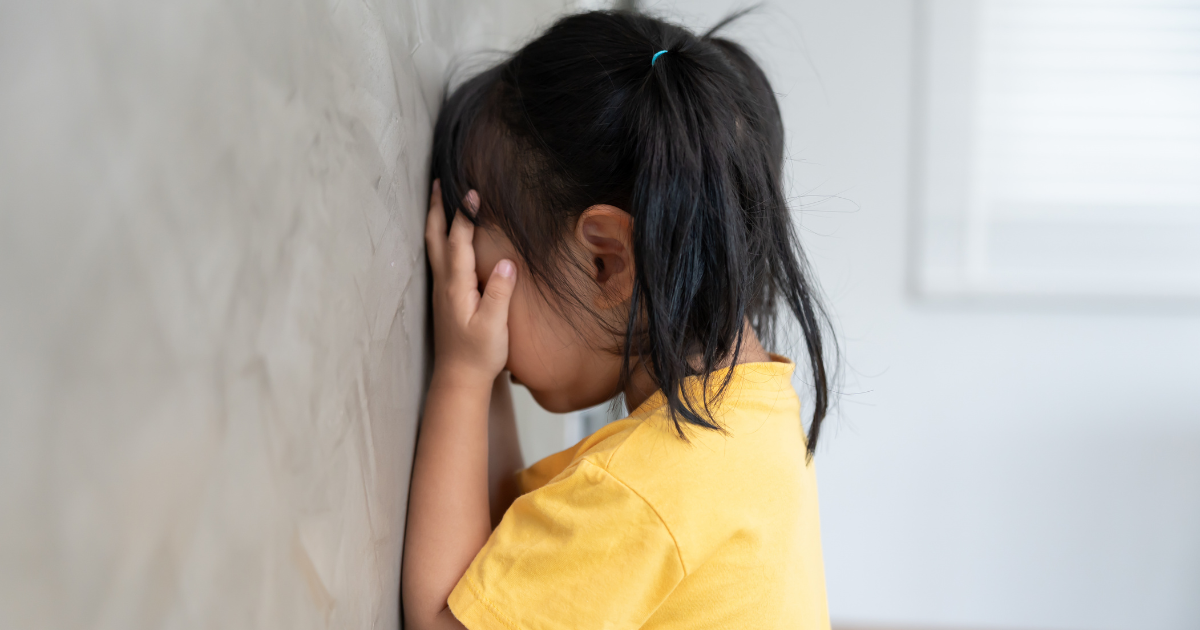
Signs of social anxiety in young children can sometimes be mistaken for simple shyness. While many children take time to warm up in new situations, social anxiety goes much deeper. It can affect a child’s confidence, friendships, school experience, and emotional wellbeing.
As a counsellor, I have worked with many parents who worried about their child’s reluctance to speak, join activities, or interact with others. Often, these parents initially believed their child was simply shy. However, over time, it became clear that anxiety was preventing their child from enjoying everyday experiences.
The good news is that with understanding, patience, and gentle support, children can learn to feel more confident and secure in social situations.
What Is Social Anxiety in Young Children?
Social anxiety is an intense fear of being judged, embarrassed, or negatively evaluated by others. Young children may not be able to explain these fears, but they often show them through their behaviour.
Recognising the signs of social anxiety in young children early can help parents provide support before anxiety becomes more deeply rooted.
1. They Avoid Speaking to Other Children or Adults
One of the most common signs of social anxiety in young children is avoiding conversations.
Your child may:
- Refuse to answer questions from unfamiliar adults
- Hide behind you when spoken to
- Whisper instead of speaking normally
- Avoid greeting people
While some hesitation is normal, persistent avoidance may indicate social anxiety.
Why Is My Child Nervous Around New People?
Many parents first become concerned when their child seems unusually nervous around unfamiliar adults or children. A child may cling tightly to a parent, avoid eye contact, hide behind them, or become very quiet when meeting someone new. While this behaviour can sometimes be part of a naturally cautious temperament, it can also be linked to anxiety about unfamiliar social situations.
If this sounds familiar, you may find my article Why Is My Child Nervous Around New People? 7 Reassuring Answers for Parents helpful. It explores some of the most common reasons children feel uneasy around new people and offers gentle, practical strategies to help them build confidence at their own pace.
2. They Become Extremely Distressed Before Social Events
A child experiencing social anxiety may become upset before:
- Birthday parties
- School activities
- Playdates
- Family gatherings
They might complain of stomach aches, headaches, or simply beg not to attend.
If your child struggles with social situations, you may also find this guide helpful:
Related Reading: 7 Powerful Ways to Help a Shy Child Build Confidence and Make Friends
3. They Watch Rather Than Join In
Many young children with social anxiety spend a lot of time observing others without participating.
You may notice your child:
- Standing alone at the playground
- Watching games without joining
- Sitting quietly during group activities
- Avoiding team participation
Although they often want friends, fear can prevent them from taking that first step.
4. They Fear Making Mistakes
Another of the important signs of social anxiety in young children is a strong fear of getting things wrong.
Children may:
- Refuse to answer questions
- Avoid trying new activities
- Become upset over small mistakes
- Seek constant reassurance
Their worry often centres around what others might think of them.
If your child is also struggling socially, you may find this article helpful:
Read Next: Why Is My Child Afraid to Talk to Others? 7 Powerful Insights and Encouragement for Parents
5. They Cling Excessively to Parents
Young children naturally seek comfort from parents, but excessive clinginess can sometimes signal anxiety.
Examples include:
- Refusing to separate at nursery or school
- Following parents constantly
- Becoming distressed when left with trusted relatives
- Wanting parents to speak for them
These behaviours are often driven by fear rather than dependency.
6. They Have Few Friends Despite Wanting Them
Children with social anxiety often want friendships but find it difficult to form them.
They may:
- Feel lonely
- Talk about wanting friends
- Struggle to join conversations
- Avoid approaching other children
Many parents are surprised to discover that social anxiety, rather than lack of interest, is keeping their child isolated.
A Helpful Resource for Young Children
If your child struggles with confidence, worries, or friendships, gentle stories can help them understand their feelings.
Murphy’s Brave & Calm Series
Explore all my children’s emotional wellbeing books here:
Linda Cowan Children’s Book Shop
You may especially find Murphy Finds His Brave Heart in my shop helpful for encouraging confidence and courage in anxious children.
You can also find the Murphy books on Amazon.
7. They Worry Excessively About Social Situations
Perhaps the clearest of all the signs of social anxiety in young children is excessive worry.
Your child may ask:
- “Will anyone talk to me?”
- “What if nobody likes me?”
- “What if I say something wrong?”
- “What if everyone looks at me?”
These worries can feel very real and overwhelming to a young child.
When Should Parents Seek Additional Help?
If social anxiety is:
- Affecting school attendance
- Preventing friendships
- Causing significant distress
- Lasting for several months
it may be helpful to speak with a health professional, counsellor, or educational psychologist.
Early support can make a significant difference.
Encouragement for Parents
The signs of social anxiety in young children can be worrying to witness, but they do not define your child.
Many socially anxious children grow into confident, caring, thoughtful adults when they receive patient support and encouragement.
Remember, confidence is not built overnight. It develops through many small positive experiences, one step at a time.
If you are concerned about your child’s confidence, you may also enjoy reading: How to Help a Shy Child at School: 7 Gentle Ways to Build Confidence
Children often find it easier to express their feelings through creative activities. If your child is showing some of the signs of social anxiety in young children, colouring can provide a calm and gentle way to relax while opening up conversations about worries and confidence.
Download your FREE Murphy colouring page here:
As your child colours, try asking simple questions such as:
- “What makes Murphy feel brave?”
- “When do you feel nervous around other people?”
- “What helps you feel safe and confident?”
These gentle conversations can help children explore their feelings without pressure.
Final Thoughts
Recognising the signs of social anxiety in young children early allows parents to respond with understanding rather than frustration. Whether your child avoids speaking, struggles to join activities, or worries excessively about social situations, there are gentle ways to help.
With patience, encouragement, and the right support, children can learn to manage their fears and build meaningful friendships.
Never underestimate the power of one caring adult who believes in them.