
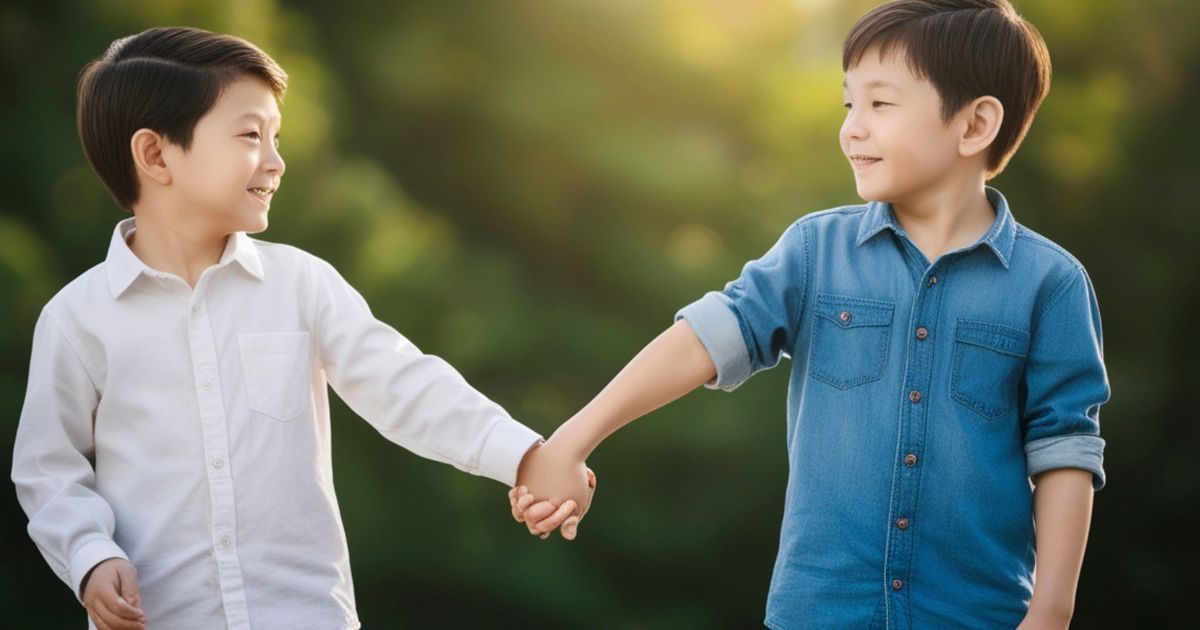
7 Powerful Ways to Help Children build Friendships That last
Help children build friendships is one of the most valuable gifts we can give them as parents and carers. Friendships play a vital role in a child’s emotional development, helping them feel accepted, confident, and secure. Yet for some children, making friends doesn’t come naturally — and that’s where gentle guidance can make all the difference.
In this blog, we’ll explore 7 powerful and practical ways to help children build friendships in a calm, supportive, and natural way.
These gentle strategies will help children build friendships while also developing confidence, empathy, and the social skills they will use throughout life.
1. Teach the Basics of Kindness – Help children build friendships
Friendship often begins with simple acts of kindness. Teaching children to share, take turns, and use kind words creates a strong foundation for positive relationships.
Encourage phrases like:
“Do you want to play with me?”
“You can have a turn”
“That was fun!”
You can gently model this in everyday life — children learn far more from what we do than what we say.
Helping Your Child Learn to Share
Sharing is one of the first social skills children develop, but it doesn’t always come naturally. Many young children find it difficult to let go of favourite toys or wait patiently for their turn. The good news is that sharing is a skill that can be taught gently through encouragement, role modelling, and everyday practice.
If you’re wondering how to teach a child to share, you may enjoy my article How to Teach a Child to Share: 7 Simple Ways That Really Work. It explains why children sometimes struggle with sharing and offers practical, gentle strategies to help them become more confident, kind and cooperative with others.
2. Use Play as a Bridge
Play is the natural language of children. One of the easiest ways to help children build friendships is to give them regular opportunities to play alongside other children in relaxed, enjoyable settings. Whether it’s building blocks, drawing, or imaginative play, shared activities help children connect without pressure.
If your child struggles socially, try:
Arranging small playdates (1 child at a time)
Choosing activities your child enjoys
Staying nearby to gently guide if needed
3. Help Them Understand Feelings
Children who understand their own emotions are better able to understand others — and this is key to friendship.
Talk about feelings openly:
“How do you think they felt?”
“What could we do to help?”
This builds empathy — one of the most important friendship skills.
Empathy is one of the strongest foundations that helps children build friendships that are caring, respectful, and long-lasting.
4. Build Confidence First
Many children struggle to make friends because they feel unsure of themselves. Confidence and friendship go hand in hand.
Simple ways to build confidence:
Praise effort, not just success
Celebrate small wins
Encourage independence
💡 A confident child is far more likely to approach others and engage socially.
When a Child Feels They Don’t Fit In
Sometimes friendship difficulties are not caused by a lack of social skills at all. Many children simply feel different from their peers and struggle to find where they belong. They may quietly watch others playing, worry about being accepted, or feel left out even when nobody is intentionally excluding them.
If your child often feels disconnected from other children, you may find my article Why Your Child Struggles to Fit In: 7 Powerful and Gentle Ways to Help Them helpful. It explores some of the emotional reasons children feel different and offers practical ways to build confidence, belonging, and social connection.
5. Model Healthy Relationships
Children are always watching. The way we interact with others teaches them how friendships work.
Let them see you:
Being kind
Listening
Showing patience
Resolving disagreements calmly
These everyday moments quietly shape how your child will treat others.
When parents consistently model kindness and respect, they naturally help children build friendships by showing them what healthy relationships look like.
When Friendships Go Wrong
Friendship disagreements are a normal part of childhood, but they can still feel very upsetting. If your child has fallen out with a friend, my article Friendship Fallouts in Children: 7 Powerful Ways to Help Your Child Cope and Make Things Right offers gentle ways to help them manage their feelings, resolve conflict and repair the friendship where possible.
6. Gently Guide Social Skills – help children build friendships
Some children need a little extra help learning social skills — and that’s perfectly okay.
You can practise:
Making eye contact
Taking turns in conversation
Asking simple questions
Try role-playing at home:
“Let’s pretend we’re meeting a new friend…”
This removes pressure and builds confidence in a safe space.
Many children who struggle to make friends are not lacking kindness or social skills—they may simply be afraid to talk to others. Starting a conversation, joining a group activity, or speaking to a new child can feel overwhelming for some children, especially if they are naturally shy or anxious.
When a child avoids speaking, it can become much harder for friendships to develop. The good news is that confidence in social situations can be learned and strengthened over time with gentle encouragement and practice.
If your child finds it difficult to speak to other children, you may find our article Why Is My Child Afraid to Talk to Others? 7 Powerful and Encouraging Insights for Parents helpful. It explores the common reasons behind this fear and offers practical strategies to help children feel more comfortable and confident when interacting with others.
When Shyness Affects Friendships at School
For many children, friendship struggles are closely connected to shyness. They may want friends but find it difficult to join conversations, speak in groups, or approach other children. School can feel particularly challenging because social opportunities happen throughout the day.
If your child seems withdrawn, avoids speaking in class, or struggles to join in with classmates, you may find my article How to Help a Shy Child at School: 7 Gentle Ways to Build Confidence helpful. It shares practical strategies for helping children feel more comfortable socially while building confidence at their own pace.
Helping Your Child Start Conversations with Confidence
Knowing how to start a conversation is often one of the biggest hurdles for children who want friends. Many children know how to be kind and enjoy playing with others, but simply don’t know what to say when they meet someone new. They may worry about saying the wrong thing, being ignored, or feeling embarrassed.
The encouraging news is that conversation skills can be taught just like any other social skill. With a little practice, children can learn simple ways to introduce themselves, ask friendly questions, and join in naturally with other children.
If your child finds it difficult to know what to say, you may enjoy my article How to Help a Child Start Conversations: 7 Proven Confidence-Building Tips. It shares gentle, practical strategies that help children begin conversations more confidently and take those important first steps towards building lasting friendships.
Remember that learning social skills is a gradual process. Every small success will help children build friendships more confidently over time.
7. Be Patient and Encouraging
Friendships take time to grow. Some children form friendships quickly, while others need longer — and that’s completely normal.
Avoid rushing or comparing your child to others. Instead:
Encourage without pressure
Celebrate progress
Offer reassurance
A simple “I’m proud of you for trying” can mean everything.
Sometimes even children with friendships can still struggle emotionally when they feel excluded or left out socially. If your child is finding this difficult, you may also find helpful support in my article: 7 Easy Ways to Help When Your Child Feels Left Out.
While helping children build lasting friendships is important, some parents face a more painful concern—a child who seems to have no friends at all. If your son or daughter is struggling with loneliness, feeling left out, or finding it difficult to connect with others, you may find encouragement in my article How to Help a Child Who Has No Friends – 7 Easy Ways to Build Connection and Confidence. In it, I share practical, gentle strategies to help children develop social confidence, form meaningful connections, and take positive steps toward friendship.
A Gentle Helping Hand from Murphy
If your child needs extra support with friendships, stories can be a wonderful way to help.
You can explore Murphy Makes New Friends on my shop HERE
Murphy’s gentle journey helps children understand:
How to approach others
How to be kind
How to build confidence in friendships
Free Printable for Your Child
To make this even more fun, download your FREE Murphy colouring page HERE
Encourage your child to:
Colour Murphy
Talk about friendship
Share it with a friend
Simple activities like this can help children build friendships while making positive memories together.
This creates a simple but meaningful connection activity
Read More
If you enjoyed this, you may also like:
7 Gentle Ways to Help a Child Who Worries Too Much
Final Thoughts – Help Children Build Friendships
Learning how to help children build friendships doesn’t require pressure or perfection—just patience, encouragement, and gentle guidance.
Every small step your child takes is building something important:
confidence, connection, and emotional strength
If your child is struggling to make friends, you may find this helpful WHY SOME CHILDREN STRUGGLE TO MAKE FRIENDS
If your child is shy, this guide may support you 7 POWERFUL WAYS TO HELP A SHY CHILD MAKE FRIENDS WITH CONFIDENCE
You can also support your child through stories like MURPHY MAKES NEW FRIENDS
Every encouraging conversation, shared game, and small act of kindness will help children build friendships that can last for years.


