
INTRODUCTION
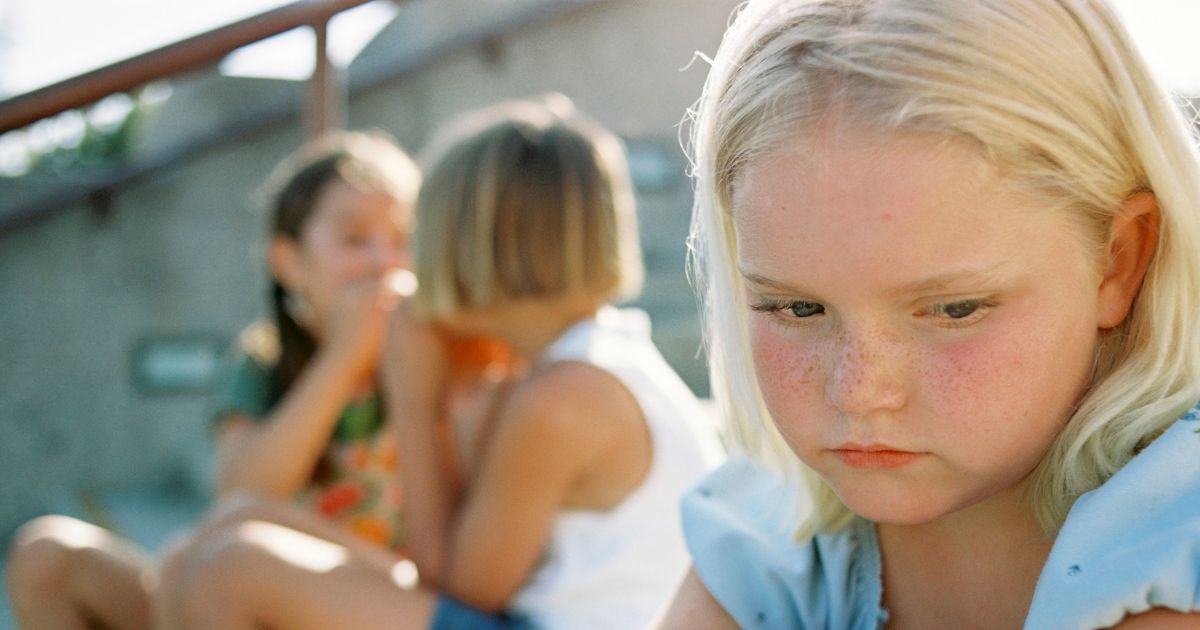
When your child feels left out, it can be heartbreaking to watch. Many parents quietly worry when their child comes home upset because they were excluded from a game, ignored at school, or not invited to join in with other children.
As a counsellor, I have worked with many children who struggled with friendship issues and social confidence. Often, the pain of feeling left out can deeply affect a child’s self-esteem, confidence, and sense of belonging. Some children begin to believe there is something wrong with them, while others become anxious about school or social situations.
The good news is that there are gentle and supportive ways parents can help. With encouragement, understanding, and emotional support, children can learn to build healthy friendships and grow in confidence over time
1. Listen Calmly When Your Child Feels Left Out
When a child feels left out, they first need to feel emotionally safe with you.
Try not to rush into fixing the problem immediately. Instead, calmly listen to what happened and allow your child to express their feelings.
You could say:
- “That sounds really hurtful.”
- “I can understand why you feel upset.”
- “Thank you for telling me.”
Children often feel relief simply by being heard and understood.
2. Avoid Minimising Their Feelings
Sometimes adults unintentionally dismiss children’s emotions by saying things like:
- “Don’t worry about it.”
- “You’ll be fine.”
- “It’s no big deal.”
But when a child feels left out, the pain feels very real to them.
Instead, acknowledge the emotion while helping them feel supported:
“I know this feels difficult right now, but we’ll work through it together.”
This helps children feel emotionally validated rather than ashamed of their feelings.
3. Help Your Child Understand That Friendships Change
Children’s friendships naturally shift and change as they grow.
Sometimes a child may be left out temporarily because friendship groups are changing, interests are different, or social dynamics are evolving.
Helping your child understand this can reduce self-blame.
You might gently explain:
“Friendships can change sometimes, and that doesn’t mean there’s something wrong with you.”
This can be especially important if your child feels left out at school repeatedly.
4. Encourage One-to-One Friendships
Large friendship groups can sometimes feel overwhelming, especially for shy or sensitive children.
If your child feels left out, encouraging one-to-one friendships may help them feel safer and more connected.
Simple ideas include:
- inviting one child over to play
- arranging a small outing
- encouraging shared hobbies or interests
Many children build confidence more easily through smaller friendships first.
You may also enjoy reading:
“7 Powerful Ways to Help Children Build Friendships That Last”
5. Build Confidence at Home
Children who feel secure and valued at home often cope better socially.
Try to notice and praise your child’s strengths regularly:
- kindness
- creativity
- humour
- helpfulness
- bravery
When a child feels left out, their confidence can quickly drop. Gentle encouragement helps rebuild emotional resilience.
You may also find this helpful:
“How to Help a Shy Child Make Friends with Confidence”
6. Teach Gentle Social Skills Naturally
Some children need extra help learning social confidence skills.
You can gently practice things like:
- starting conversations
- making eye contact
- taking turns
- asking to join games
- handling rejection calmly
Role-playing at home can help children feel more prepared socially without pressure or criticism.
Remember, social confidence develops gradually over time.
7. Remind Your Child They Are Loved and Valued
Perhaps the most important thing a parent can do when a child feels left out is remind them that their worth does not depend on being accepted by everyone.
Children need reassurance that they are deeply loved exactly as they are.
Simple words can make a huge difference:
“You are kind, special, and important.”
“The right friends will appreciate you for who you are.”
Over time, these messages help build emotional security and self-worth.
A Gentle Book That May Help
If your child is struggling with friendships or feeling excluded, you may find my children’s book helpful:
Murphy Makes New Friends — A Little Dog Learns to Welcome Others
The story gently encourages kindness, confidence, and friendship skills in young children.
You can explore the book HERE :MURPHY MAKES NEW FRIENDS on my shop
Or find it on AMAZON: MURPHY MAKES NEW FRIENDS
Free Resource for Parents
You can also download a free Murphy colouring page here to help encourage calm conversations with your child:
Final Thoughts on When a Child Feels Left Out
When a child feels left out, it can affect their confidence, emotions, and sense of belonging. But with gentle support, understanding, and encouragement, children can learn to build healthy friendships and feel more secure socially.
If your child is struggling right now, remember that small moments of love, listening, and reassurance can have a lasting impact.
Explore all my children’s emotional wellbeing books here: MURPHY’S BRAVE & CALM SERIES on my shop
Children who feel left out socially can often begin to lose confidence in themselves and withdraw even further from friendships and group situations. Over time, this can make a shy child feel anxious, self-conscious, and unsure of how to connect with others.
If your child struggles with shyness as well as feeling excluded, you may also find support in my article How to Help a Shy Child Feel More Confident: 7 Effective Strategies That Truly Help, where I share gentle ways to build confidence, emotional resilience, and social confidence step by step.
When a child feels left out repeatedly, they can begin to believe that nobody likes them or cares about them. Over time, this can deeply affect their confidence and emotional wellbeing. You may also find comfort and support in my related article, “Child Says Nobody Likes Me: 7 Powerful Ways to Build Confidence and Hope,” where I share gentle ways to help children feel accepted, included, and emotionally stronger.


