
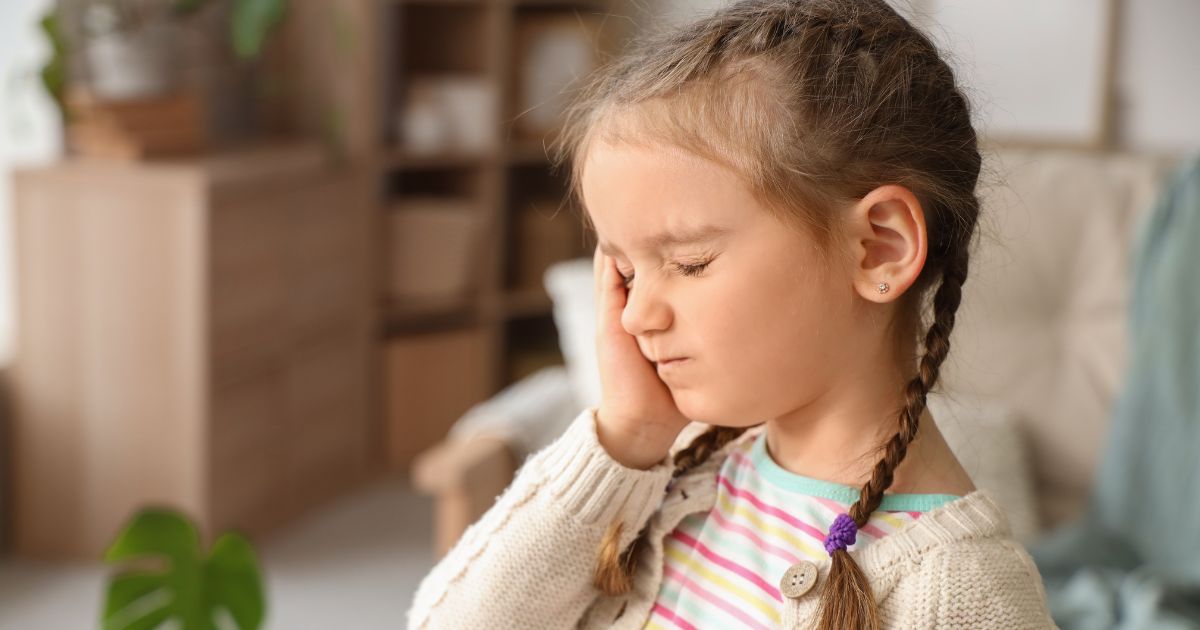
INTRODUCTION - 7 SIGNS OF LOW SELF ESTEEM IN A CHILD
Signs of low self esteem in a child can sometimes be easy to miss, especially when they show up quietly in everyday behaviours. As a parent or carer, you may notice your child withdrawing, doubting themselves, or struggling more than usual—but not fully understand why
As a counsellor, I have worked with many families who felt something “wasn’t quite right” but couldn’t put their finger on it. Often, when we gently explored things together, we uncovered signs of low self esteem in a child that had been building over time. The good news is that with understanding, patience, and small daily steps, children can rebuild confidence and begin to see themselves in a more positive light.
1. They Put Themselves Down Often
One of the most common signs of low self esteem in a child is negative self-talk. You may hear phrases like:
- “I’m no good at this”
- “I always get things wrong”
How to help:
Gently challenge these thoughts
”That didn’t work this time, but you’re learning.
Helping Your Child Develop a Kinder Inner Voice
When children repeatedly tell themselves, “I’m not good enough,” “I can’t do anything right,” or “Everyone is better than me,” these thoughts can gradually weaken their confidence. The encouraging news is that children can learn to recognise harsh thoughts and replace them with words that are kinder, fairer and more realistic.
If this sounds familiar, you may find my related guide helpful: Negative Self-Talk in Children – 7 Powerful Ways to Help Your Child Build a Kinder Inner Voice. It includes gentle, practical ways to help your child question negative thoughts, cope with mistakes and speak to themselves with greater compassion.
2. They Avoid Trying New Things
Children with low confidence often avoid situations where they might fail.
How to help:
Celebrate effort over outcome:
I’m proud of you for giving that a go.”
3. They Are Easily Frustrated or Give Up Quickly
Another sign of low self esteem in a child is a low tolerance for mistakes.
How to help:
Model calm responses to mistakes and normalise learning.
4. They Compare Themselves to Others
You might hear:
- “She’s better than me”
- “I can’t do it like them”
How to help:
Help your child focus on their own progress, not others.
5. They Struggle to Accept Praise
Children with low self-esteem often dismiss compliments.
How to help:
Keep praise simple and consistent:
“I noticed how kind you were—that really matters.”
6. They Seek Constant Reassurance
Repeatedly asking “Is this okay?” can be one of the quieter signs of low self esteem in a child.
How to help:
Encourage independence gently:
“What do you think? I trust your choice.”
7. They Withdraw Socially
Some children become quieter or avoid friendships when their confidence is low.
If this resonates, you may also find this helpful:
Why does my child have no friends?
How to Build Your Child Back Up Gently
When addressing signs of low self esteem in a child, the goal is not to “fix” them—but to help them feel safe, valued, and capable.
Here are a few gentle ways to support them:
- Give them your full attention during small moments
- Notice effort rather than perfection
- Create opportunities for small successes
- Speak kindly about yourself (they are always listening)
- Build connection before correction.
One of the simplest ways to strengthen your child’s confidence is through the words they hear every day. Positive affirmations help children replace self-doubt with encouraging, healthy beliefs about themselves. When used consistently, they can gently build resilience, self-worth, and emotional confidence over time.
If you’re looking for simple phrases to use at home, you may enjoy reading 20 Positive Affirmations for Kids That Build Confidence Every Day, where you’ll find easy, child-friendly affirmations that encourage courage, kindness, resilience, and a healthy sense of self-belief.
Teach Confidence Through Positive Body Language
Children don’t just feel confidence—they often show it through the way they stand, walk, smile, and interact with others. The encouraging news is that confident body language can be gently taught and practised, helping children feel more self-assured in everyday situations.
Simple habits such as standing tall, making gentle eye contact, smiling naturally, and speaking with a calm voice can gradually strengthen a child’s confidence from the outside in. These small daily changes often complement the positive affirmations and encouragement you are already giving at home.
You may also enjoy reading:
How to Teach Confident Body Language for Kids: 7 Easy Tips
Anxiety and low self-esteem often overlap in children. If your child seems constantly worried or emotionally overwhelmed, you may also find this guide on WHY IS MY CHILD SO ANXIOUS? 7 GENTLE INSIGHTS EVERY PARENT NEEDS A Gentle Resource to Support Your Child
If your child is struggling with confidence or friendships, my book:
Murphy Makes New Friends
can gently help them understand that they are not alone.
You can find it here on my shop
MURPHY MAKES NEW FRIENDS
Explore all my children’s emotional wellbeing books here
You can also find MURPHY MAKES NEW FRIENDS ON AMAZON HERE:
A SMALL STEP THAT CAN MAKE A DIFFERENCE
Children often express their feelings through creativity.
You can download a free Murphy colouring page HERE to help your child relax and open up:
You may also find this helpful: If you are noticing signs of low self esteem in a child, this guide may also support you HOW TO CALM AN ANXIOUS CHILD
FINAL THOUGHT – Negative self-talk in Children
Recognising the signs of low self esteem in a child is a powerful first step. With gentle encouragement, patience, and consistent support, your child can begin to see themselves differently—not as “not good enough,” but as capable, valued, and worthy just as they are.
Simple confidence-building activities can really help. 10 CONFIDENCE EXERCISES FOR KIDS THAT ACTUALLY WORK
If your child is naturally shy this may help HOW TO BUILD CONFIDENCE IN A SHY CHILD
You may also find gentle stories helpful
Children struggling with low self-esteem often experience worry and anxious thoughts as well. The words adults use can deeply affect how children see themselves. You may also enjoy reading What to Say to an Anxious Child (7 Powerful Phrases That Really Help)
Some children with low self-esteem are naturally emotionally sensitive and deeply affected by criticism, worry, or difficult experiences. You may also enjoy reading: How to Help a Sensitive Child: 7 Powerful Ways to Build Confidence and Emotional Strength.
Many children with low self-esteem also struggle quietly with shyness and social confidence. They may avoid speaking in groups, hold back from making friends, or worry deeply about saying the wrong thing. Over time, this can affect how they see themselves and their ability to cope socially.
If your child is naturally shy or lacking confidence, you may also find encouragement in my article How to Help a Shy Child Feel More Confident: 7 Effective Strategies That Truly Help, where I share gentle and practical ways to build confidence, emotional strength, and self-belief step by step.
One of the clearest signs of low self-esteem in a child is when they begin saying things like, “Nobody likes me,” or “I have no friends.” These painful words often hide feelings of rejection, insecurity, and self-doubt. You may also find encouragement in my related article, “Child Says Nobody Likes Me: 7 Powerful Ways to Build Confidence and Hope,”where I share gentle ways to help children feel valued, accepted, and emotionally stronger.
Low self-esteem and social anxiety often go hand in hand. Many children who constantly doubt themselves, avoid attention, or fear what others think may actually be showing deeper signs of social anxiety in children. If your child struggles with confidence in social situations, you may find this helpful: 7 Warning Signs of Social Anxiety in Children (And How Parents Can Help). This gentle guide explains what parents can look for and how to support anxious children with reassurance, patience, and emotional safety.


