
INTRODUCTION
Why does my child have no friends? This is a question many parents quietly carry in their hearts, often with worry, sadness, and even a sense of helplessness. If you are asking “why does my child have no friends,” you are not alone.
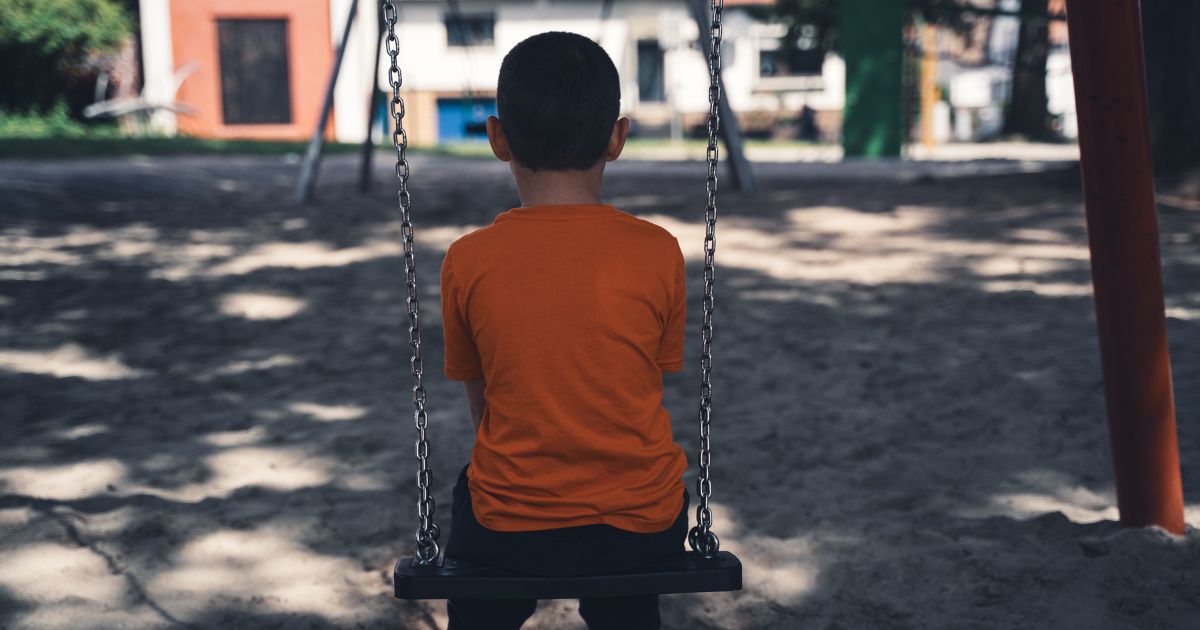
As a counsellor, I have supported many parents facing this exact concern. One mother shared how her child would stand at the edge of the playground, watching others play, unsure how to join in. Another described her child coming home from school saying, “No one played with me today.”
These moments can be deeply painful—not just for the child, but for you as a parent.
The good news is this:
There are gentle, practical ways you can support your child as they build friendships and grow in confidence.
1. Understand the Reason Without Blame
Every child is different.
Some children:
- Feel shy or anxious
- Struggle with social skills
- Have had a negative experience
- Simply take longer to warm up
Try to gently observe rather than jump to conclusions.
- Instead of thinking:
“Something is wrong”
Think:
“What might my child be finding difficult right now?”
2. Gently Build Their Confidence First
Friendship starts with feeling okay inside yourself.
Children who feel unsure or anxious often hang back—not because they don’t want friends, but because they don’t feel confident enough.
You can help by:
- Praising small efforts
- Encouraging independence
- Noticing their strengths
If your child struggles with big emotions such as frustration, anxiety, or anger, this can sometimes affect their ability to make and keep friends.
My gentle storybook Murphy Helps with Big Feelings is designed to help children understand and manage their emotions in a calm, reassuring way. View on Amazon:Murphy Helps with Big Feelings. Or explore all my children’s emotional well being books HERE
3. Teach Simple Social Skills (Gently, Not Forcefully)
Some children don’t instinctively know:
- How to start a conversation
- How to join in play
- How to take turns
You can model this at home:
- Practice saying “Can I play?”
- Role-play simple situations
- Keep it light and playful.
- Kindness plays a key role in helping children build friendships and feel connected to others. If you would like to gently encourage this in your child, you may find this guide helpful:
- Raising a Kind Child – 7 Powerful Ways to Nurture Kindness That Lasts
4. Create Opportunities for One-to-One Friendships
Large groups can feel overwhelming.
Instead:
- Invite one child over
- Arrange a short playdate
- Keep it relaxed and simple
One safe friendship is often all a child needs to begin.
5. Support Them Through Rejection (Without Panic)
Every child will experience moments of:
- Being left out
- Not being chosen
- Feeling different
and every parent may find themselves asking, “Why does my child have no friends?”
What matters most is how they are supported. In order to help your child
Say things like:
- “That must have felt hard.”
- “I’m here with you.”
This builds emotional resilience.
6. Work With the School Quietly and Supportively.
Sometimes teachers can:
- Gently pair children together
- Encourage inclusion
- Notice social difficulties
A quiet conversation can make a big difference.
If your child finds school particularly overwhelming, you’re not alone. Many children who struggle with friendships also feel unsure or anxious in the classroom environment.
You may find this helpful: How to help a shy child at school: 7 gentle ways that build confidence, where I share simple, supportive steps to help your child feel more secure and confident during the school day.
7. Be Patient – Friendships Take Time
This is one of the hardest parts.
Some children take longer to:
- Trust others
- Feel safe
- Open up socially
But that does not mean they won’t form meaningful friendships.
If you’re concerned that your child’s struggles with friendships may be linked to something deeper, it’s important to recognise the early signs. You may find this helpful: 7 WARNING SIGNS A CHILD IS BEING BULLIED (EVERY PARENT SHOULD KNOW)
You may also find this helpful:
If your child also struggles with worry or anxiety, you may find this helpful: READ
HOW TO CALM AN ANXIOUS CHILD (7 POWERFUL WAYS THAT REALLY WORK)
When parents ask “why does my child have no friends,” it is often linked to confidence, social skills, or anxiety rather than anything being “wrong.” With gentle support, children can learn how to connect with others and build meaningful friendships over time.
A Gentle Reminder for You
If you’re asking, “why does my child have no friends,” it shows something important:
- You care deeply
- You are paying attention
- You want to help
And that already makes you the kind of parent your child needs.
Free Support for Your Child
To help your child feel calmer and more secure, I’ve created a gentle printable:
Download your free colouring page here:
If your child is finding it hard to connect with others, you may also find this helpful: READ 7 POWERFUL WAYS TO HELP YOUR CHILD BUILD FRIENDSHIPS THAT LAST
Final Thoughts on Why Does My Child Have No Friends.
Friendship is not a race.
Some children:
- Bloom early
- Others bloom slowly
- But each child blooms in their own time
Your role is not to rush them but to:
- Support
- Encourage
- Walk alongside them
And with time, patience, and gentle guidance…
they will find their place.
Explore all my children’s wellbeing books here
Kindness and confidence often grow together. If you’d like more support with this, you may enjoy this guide on how to teach a child kindness.
If your child is struggling socially, this may also help MY CHILD IS BEING BULLIED – 7 GENTLE WAYS TO SUPPORT THEM (THAT REALLY HELP)
Sometimes friendship struggles can be linked to deeper confidence issues. You may find this guide on SIGNS OF LOW SELF ESTEEM IN A CHILD helpful
Supporting a child who struggles with friendships can feel emotional, but small steps can make a big difference over time.
If your child is also shy or lacking confidence in school, you may find this guide helpful: How to help a shy child at school: 7 gentle ways that build confidence.


