
INTRODUCTION
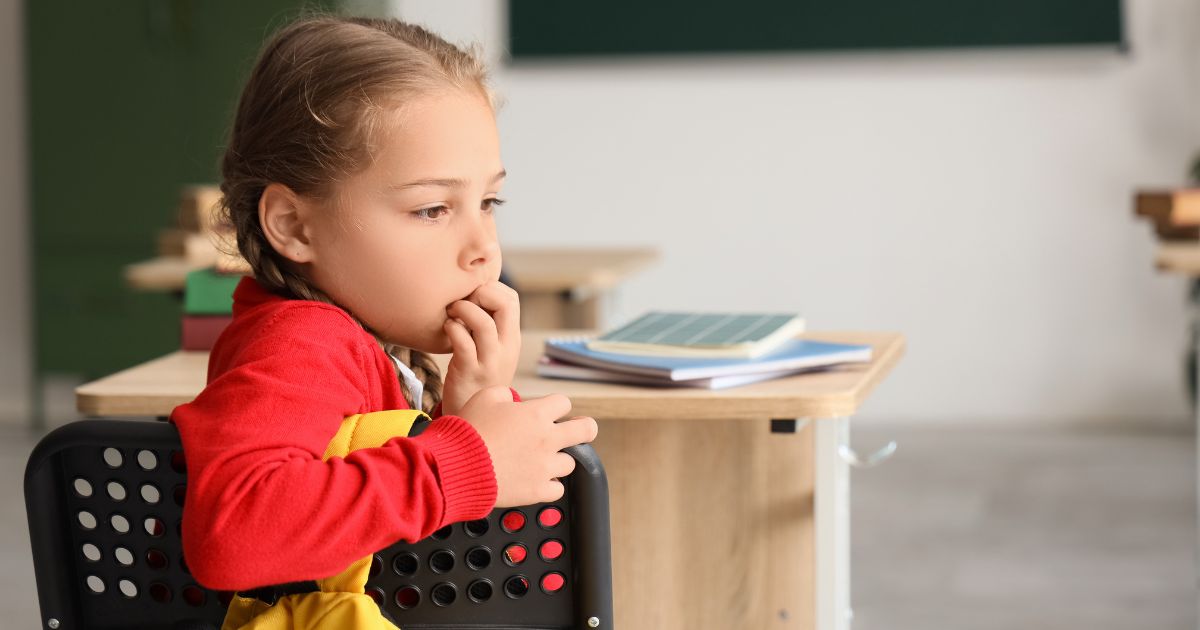
Child anxious at school is something many parents quietly worry about. One day your child seems happy enough, and the next they are refusing school, crying in the mornings, complaining of tummy aches, or becoming unusually clingy and withdrawn.
As a qualified counsellor, I have worked with many parents whose children became anxious at school for different reasons. Sometimes the anxiety is obvious, but very often it hides beneath behaviour changes, emotional outbursts, or physical symptoms. School anxiety can affect even bright, kind, capable children.
The good news is this: anxiety in children can improve greatly when parents begin to understand what may be happening underneath the surface.
In this article, we will explore 7 powerful reasons why your child may be anxious at school — and gentle ways you can help them feel emotionally safe again.
1. Fear of Separation from Parents
One common reason a child anxious at school may struggle is separation anxiety.
Some children feel unsafe when away from their parent or caregiver, especially after changes such as:
- Illness
- Family stress
- Holidays ending
- Moving house
- Starting a new school year
- A difficult emotional experience
These children may cry at drop-off, cling tightly, or become distressed before school.
Gentle Support
- Keep goodbyes calm and predictable
- Avoid long emotional farewells
- Reassure your child you will return
- Praise small steps of bravery
Children often borrow calmness from the adults around them.
Is Your Child Anxious About Going Back to School?
The return to school can be particularly difficult for an anxious child. After the comfort and familiarity of the holidays, a new teacher, different classroom, changing friendships or simply returning to the school routine can suddenly bring worries to the surface.
You may notice more clinginess, repeated questions about school, trouble sleeping, tummy aches, tears, or your child saying they don’t want to go back. Preparing gently beforehand can help reduce some of this uncertainty and make the transition feel much safer.
If the return to school is causing your child to worry, you may also find my guide Back to School Anxiety: 7 Gentle but Effective Ways to Help Them Feel Calm and Confident helpful. It shares practical ways to prepare your child emotionally, ease back-to-school worries and help them approach the new term feeling calmer and more confident.
2. Worry About Making Friends
Many children feel deeply anxious socially, even if they cannot explain it clearly.
A child anxious at school may fear:
- Being left out
- Saying the wrong thing
- Not fitting in
- Eating lunch alone
- Being laughed at
Sometimes quiet children suffer silently for months before parents notice.
You may also enjoy reading:
How to Help a Shy Child at School: 7 Gentle Ways to Build Confidence
3. Fear of Getting Things Wrong
Perfectionism can create enormous pressure in children.
Some children become anxious because they:
- Fear making mistakes
- Hate being corrected
- Compare themselves to others
- Feel they must always “get it right”
These children often appear highly sensitive and may become upset over small problems.
A child struggling emotionally may benefit from gentle reassurance that mistakes are part of learning.
4. Bullying or Feeling Unsafe
Sometimes school anxiety develops because a child does not feel emotionally or physically safe.
A child anxious at school may:
- Suddenly refuse school
- Become tearful after school
- Lose confidence
- Have damaged belongings
- Become unusually quiet
Even subtle teasing or exclusion can deeply affect sensitive children.
You may also find this helpful:
7 Warning Signs a Child Is Being Bullied (Every Parent Should Know)
5. Sensory Overload and Overwhelm
Some children feel overwhelmed by:
- Noise
- Busy classrooms
- Bright lights
- Crowds
- Constant stimulation
Highly sensitive children often absorb stress deeply.
As a counsellor, I have seen children become exhausted simply trying to cope with the emotional demands of the school day.
Signs of Overwhelm
- Emotional meltdowns after school
- Extreme tiredness
- Irritability
- Headaches or tummy aches
- Wanting to be alone
These children are not “difficult.” They may simply be overstimulated.
6. Anxiety About Performance and Pressure
Some children place enormous pressure on themselves academically.
A child anxious at school may worry about:
- Tests
- Reading aloud
- Homework
- Being called upon in class
- Falling behind
Even children doing well academically can experience intense internal anxiety.
Try focusing more on effort than achievement. Children need to know they are loved for who they are — not simply for performance.
7. Hidden General Anxiety
Sometimes school is not the true problem.
A child may already struggle with:
- General anxiety
- Overthinking
- Worrying about bad things happening
- Low confidence
- Sensitivity to stress
School simply becomes the place where anxiety appears most visibly.
If your child is naturally anxious, gentle emotional support at home can make a huge difference over time.
A Gentle Resource That May Help Your Child
If your child struggles with worry and anxiety, my children’s book:
Murphy Helps with Worries: Learning to Feel Safe and Calm Inside
was written to gently reassure children and help them understand anxious feelings in a safe and comforting way.
You can find it here: in my shop – MURPHY HELPS WITH WORRIES: LEARNING TO FEEL CALM AND SAFE INSIDE
- Shop link:
Explore all my children’s emotional wellbeing books here:
MURPHY’S BRAVE & CALM SERIES - Amazon link:
MURPHY HELPS WITH WORRIES
How Parents Can Help a Child Anxious at School
If your child anxious at school is struggling right now, remember:
- Stay calm and reassuring
- Listen without rushing to fix everything
- Validate their feelings
- Work gently with the school if needed
- Avoid shaming or forcing
- Praise courage, not perfection
Children often heal emotionally through feeling understood, emotionally safe, and supported consistently over time.
Final Thoughts
Seeing your child anxious at school can be heartbreaking for any parent. But anxiety does not mean your child is weak, failing, or incapable.
Very often, anxious children are thoughtful, sensitive, intelligent, and deeply aware of the world around them.
With patience, understanding, and gentle support, children can slowly build emotional confidence and begin to feel safer both at school and within themselves.
If you would like extra support, you may also enjoy reading:
- Why Is My Child So Anxious? 7 Powerful Insights Every Parent Needs
- 7 Gentle and Powerful Ways to Calm a Worried Child
And don’t forget to download my free colouring page for children here:
Some anxious children are naturally highly sensitive and can become emotionally overloaded by busy classrooms, noise, social pressure, or change. Understanding your child’s sensitive temperament can help you respond with greater calm and reassurance. You may also enjoy reading How to Help a Sensitive Child with Anxiety: 7 Powerful Ways to Build Calm and Confidence for practical support and gentle confidence-building strategies.


