
INTRODUCTION
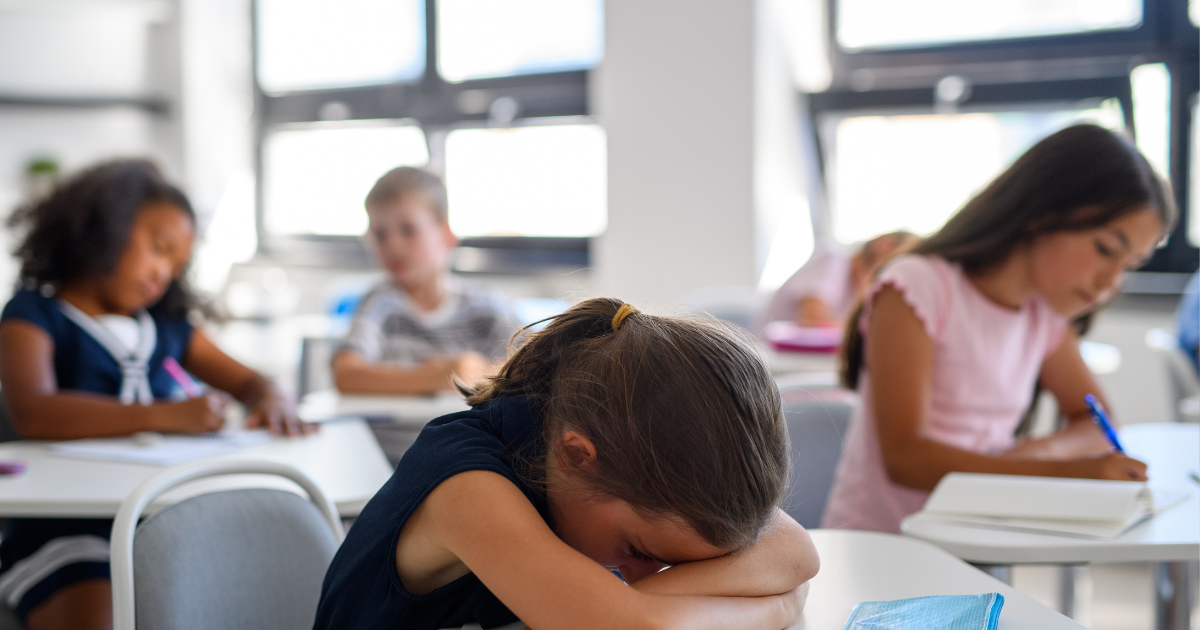
Child afraid to talk to others is a concern many parents quietly carry. You may notice your child hiding behind you when visitors arrive, refusing to answer questions, or becoming anxious when meeting new people.
As a counsellor for many years, I have worked with countless parents who worried that their child was too shy, socially anxious, or lacking confidence. The encouraging news is that most children can learn social confidence when they receive patience, understanding, and gentle support.
If your child seems afraid to speak to others, it does not necessarily mean something is wrong. Often there are understandable reasons behind their behaviour.
Let’s explore seven powerful insights that can help.
1. Your Child May Be Naturally Shy – Child afraid to talk to others
Some children are simply born with a more cautious temperament.
A naturally shy child often prefers observing before joining in. They may need extra time to feel comfortable around unfamiliar people.
If your child is afraid to talk to others, try not to label them as “the shy one.” Children often grow into the labels they hear repeatedly.
Instead, acknowledge their feelings:
“It’s okay to take your time. You can join in when you’re ready.”
Gentle encouragement works far better than pressure.
For some children, this fear of talking to others becomes visible through their body language. They may cling tightly to a parent, avoid eye contact, or physically hide behind them when unfamiliar people are nearby. If this sounds familiar, you may find my article Child Hides Behind Parent? 7 Easy Ways to Build Social Confidence helpful. It explains why children seek safety in this way and offers gentle strategies to help them feel more comfortable and confident in social situations.
2. They May Be Experiencing Social Anxiety
Sometimes the issue goes beyond ordinary shyness.
A child with social anxiety may worry:
- What if people laugh at me?
- What if I say something wrong?
- What if nobody likes me?
These fears can feel very real.
If your child becomes extremely distressed before social situations, avoids speaking altogether, or worries for days beforehand, social anxiety may be contributing to their behaviour.
Related Reading
If your child struggles with social situations at school, you may also find this article helpful:
How to Help a Shy Child at School: 7 Gentle Ways to Build Confidence
3. Fear of Making Mistakes Can Silence Children
Many children want to say the perfect thing.
Perfectionistic children often stay silent because they worry about getting things wrong.
A child afraid to talk to others may be thinking:
“What if I sound silly?”
Help your child understand that conversation is not about being perfect.
Share stories about mistakes you have made and how everything turned out fine.
This teaches resilience and reduces pressure.
4. Previous Negative Experiences Can Affect Confidence
Children remember embarrassing moments.
Perhaps they were:
- Teased by classmates
- Ignored during conversations
- Corrected harshly
- Bullied at school
Even one difficult experience can make speaking feel risky.
Take time to listen without judgment.
Ask gentle questions:
“Did something happen that made talking feel difficult?”
Sometimes children reveal important clues when they feel safe enough.
5. Confidence Grows Through Small Successes
One mistake parents sometimes make is expecting children to suddenly become outgoing.
Confidence usually develops in tiny steps.
Examples include:
- Saying hello to a neighbour
- Ordering food in a café
- Asking a teacher a question
- Speaking to one new child at school
Celebrate progress rather than perfection.
Every successful interaction teaches your child:
“I can do this.”
Many children who are afraid to talk to others cope reasonably well in one-to-one situations but become much more anxious when they find themselves surrounded by several children at once. Group activities can feel overwhelming because there are more conversations, more attention, and greater uncertainty about how to join in. If this sounds familiar, you may find my article 7 Effective Ways to Help a Shy Child in Group Settings Feel More Confident helpful. In it, I share practical and gentle strategies to help children feel more comfortable participating in group activities, build social confidence gradually, and develop friendships without feeling pressured.
Murphy Helps Children Build Confidence
If your child struggles with confidence and social situations, they may enjoy reading Murphy Makes New Friends, you can find it HERE IN MY SHOP, a gentle story that helps children understand friendship, confidence, and belonging.
You can find the book here:
Explore all my children’s emotional wellbeing books here: on my shop, MURPHY’S BRAVE & CALM SERIES
You can also find Murphy books on Amazon.
Stories often help children learn emotional skills in a way that feels safe and enjoyable.
6. Children Need Practice More Than Protection
As parents, we naturally want to protect our children from discomfort.
However, constantly speaking for them can accidentally reinforce fear.
Instead of answering every question on their behalf, try gently encouraging them:
“Would you like to tell the lady your favourite flavour?”
If they cannot do it today, that’s okay.
The goal is gradual progress.
Children become confident speakers by practising speaking.
7. Your Calm Response Matters More Than You Think
Children often borrow confidence from the adults around them.
When parents appear worried, children may assume there is something to fear.
When parents remain calm and supportive, children learn:
“This situation is safe.”
If your child is afraid to talk to others, avoid criticism such as:
- “Don’t be silly.”
- “Just speak.”
- “There’s nothing to worry about.”
Instead try:
“I know this feels hard right now, but I believe you can do it.”
Those words can have a powerful impact.
Building Confidence Takes Time
Remember confidence is rarely built overnight regarding a child afraid to talk to others.
Most children gradually become more comfortable when they feel accepted, understood, and encouraged.
Focus on progress rather than perfection.
With patience, gentle opportunities to practise, and lots of reassurance, many children learn to find their voice.
If your child struggles with friendships as well, you may enjoy reading:
7 Powerful Ways to Help Children Build Friendships That Last
7 Powerful Ways to Help a Shy Child Build Confidence and Make Friends
Looking for More Help?
If your child is afraid to talk to others, understanding the difference between shyness and social anxiety can be helpful. You may also enjoy reading ‘7 Powerful signs of Social Anxiety in young children every parent should know‘
Free Resource for Parents
Would your child enjoy a fun activity?
Download a free Murphy colouring page here and enjoy some calm creative time together.
Conclusion – Child afraid to talk to others.
A child afraid to talk to others is often communicating something important through their behaviour. Whether the cause is shyness, social anxiety, fear of mistakes, or lack of confidence, your understanding and support can make a tremendous difference.
By taking small steps, celebrating progress, and creating safe opportunities to practise, you can help your child develop confidence that will serve them throughout life
Remember: today’s child afraid to talk to others may become tomorrow’s confident communicator.”


