
INTRODUCTION
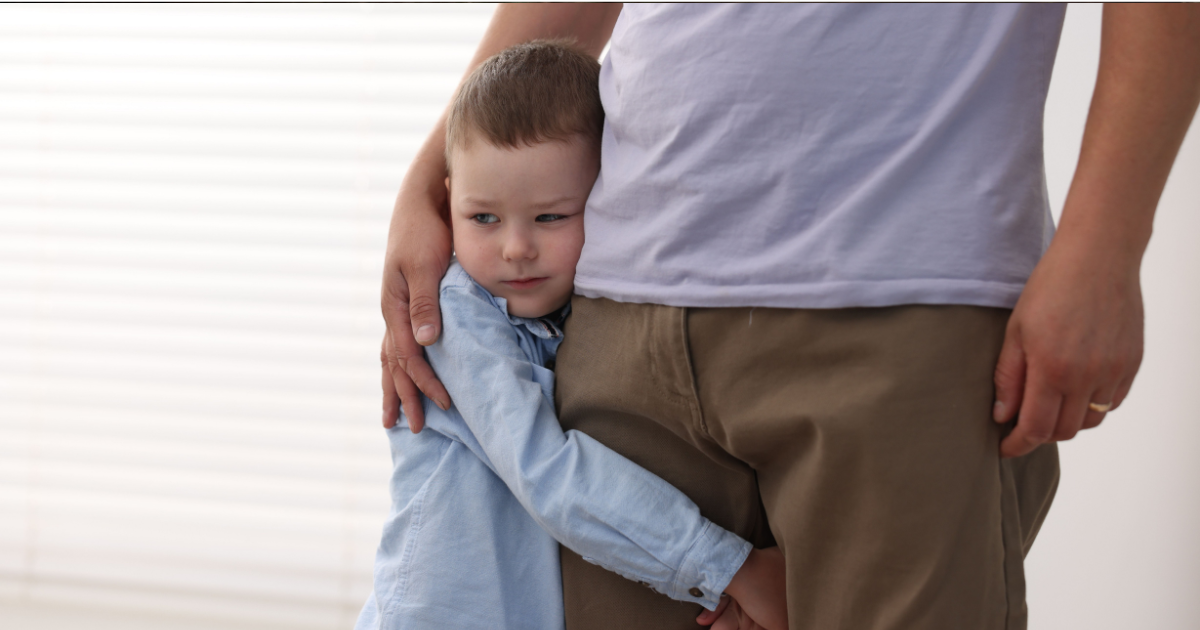
Separation anxiety in children is one of the most common worries parents face, especially during the early years. Watching your child become distressed when you leave the room, start nursery, or wave goodbye at the school gate can be heartbreaking. The good news is that separation anxiety in children is usually a normal stage of development, and with gentle support, children can learn to feel safe, secure, and confident again.
As a counsellor, I worked with many families whose children struggled with separation anxiety. Parents often blamed themselves or worried they had somehow caused the problem. In reality, most children simply need reassurance, patience, and consistent support while they develop confidence in being apart from the people they love most.
If you’re looking for practical ways to manage separation anxiety in children, these seven proven strategies can help.
Why Does Separation Anxiety Happen?
Children naturally form strong emotional attachments to their parents and caregivers. When separated, they may worry that something bad will happen or fear they won’t see you again.
Signs of separation anxiety in children may include:
- Crying when you leave
- Clinging to a parent
- Refusing nursery or school
- Complaining of tummy aches before separation
- Difficulty sleeping alone
- Becoming upset when left with relatives or babysitters
For many children, these feelings gradually improve as they gain confidence.
1. Stay Calm and Confident
Children often look to their parents for emotional cues.
If you appear anxious, guilty or uncertain when saying goodbye, your child may believe there is something to fear.
Instead:
- Smile warmly.
- Keep your voice calm.
- Reassure your child you’ll return.
- Leave confidently without lingering.
Your calmness helps your child feel safe.
2. Create Predictable Goodbye Routines
Children thrive on routines.
A simple goodbye ritual helps reduce uncertainty.
For example:
- One cuddle
- One kiss
- A special phrase such as:
“See you after school. I love you.” - Wave goodbye
Keeping the routine consistent helps children know exactly what to expect.
3. Practise Short Separations
If your child struggles with being apart, build confidence gradually.
Start with:
- leaving them with a trusted grandparent
- spending a few minutes in another room
- short visits with family friends
As your child succeeds, increase the time apart.
Small successes build confidence.
4. Praise Every Small Step
Children need encouragement.
Instead of focusing on the tears, celebrate bravery.
You might say:
- “You were so brave today.”
- “I noticed you stayed with Grandma for twenty minutes.”
- “I’m really proud of how hard you tried.”
Confidence grows when children notice their own progress.
Helping Big Feelings
Many children experiencing separation anxiety in children also struggle to understand their emotions.
Murphy Helps with Worries gently reassures children that worries can become smaller with love, courage and simple calming strategies.
Explore all my children’s emotional wellbeing books here: MURPHY’S BRAVE & CALM SERIES
You can also find Murphy Helps with Worries on Amazon.
5. Avoid Sneaking Away
Although it may seem easier, quietly disappearing can increase anxiety.
Instead:
- always say goodbye
- reassure your child you’ll return
- keep your promise
Trust grows when children know you always come back.
6. Help Your Child Build Independence
Encourage your child to do small things independently.
For example:
- choose their clothes
- help pack their school bag
- play independently for short periods
- make simple decisions
These everyday achievements build confidence that transfers into times of separation.
7. Be Patient – Progress Takes Time
Every child develops at their own pace.
Some children adjust within weeks.
Others need longer.
The important thing is to remain patient, consistent and encouraging.
Avoid comparing your child with others.
Celebrate progress instead of perfection.
When Should Parents Seek Extra Help?
Although separation anxiety in children is common, additional support may be helpful if:
- anxiety continues for many months
- your child refuses school regularly
- panic becomes severe
- family life is significantly affected
- anxiety becomes worse instead of improving
Speaking with your GP, health visitor or a qualified mental health professional can provide helpful guidance.
Could Your Child’s Anxiety Be Caused by Something Else?
While separation anxiety in children is very common, it isn’t the only reason a child may suddenly become anxious. Sometimes anxiety appears after a significant life change, a difficult experience at school, friendship problems, illness, or other hidden worries that parents may not immediately recognise.
If your child’s anxiety seems to have appeared unexpectedly, you may find my guide Why Is My Child Suddenly Anxious? 7 Common Reasons Every Parent Should Know helpful. It explains some of the most common causes of sudden anxiety in children, the signs to look for, and gentle ways you can support your child with confidence.
Final Thoughts
Separation anxiety in children can feel overwhelming for both parents and children, but it does not last forever. With love, patience and gentle encouragement, most children gradually learn that they are safe, capable and secure, even when apart from those they love.
If you’re supporting a child through separation anxiety, remember that every small step forward is progress. Your calm reassurance today is helping build your child’s confidence for tomorrow.
If you’d like more practical advice, you may also enjoy my guide:
How to Help an Anxious Child: 7 Powerful Ways to Feel Calm That Really Work.
You may also find this article helpful:
Panic Attacks in Children: 7 Powerful Things Every Parent Should Do and Say.
Don’t forget to download my free children’s colouring page, designed to encourage calm conversations and emotional wellbeing at home.