
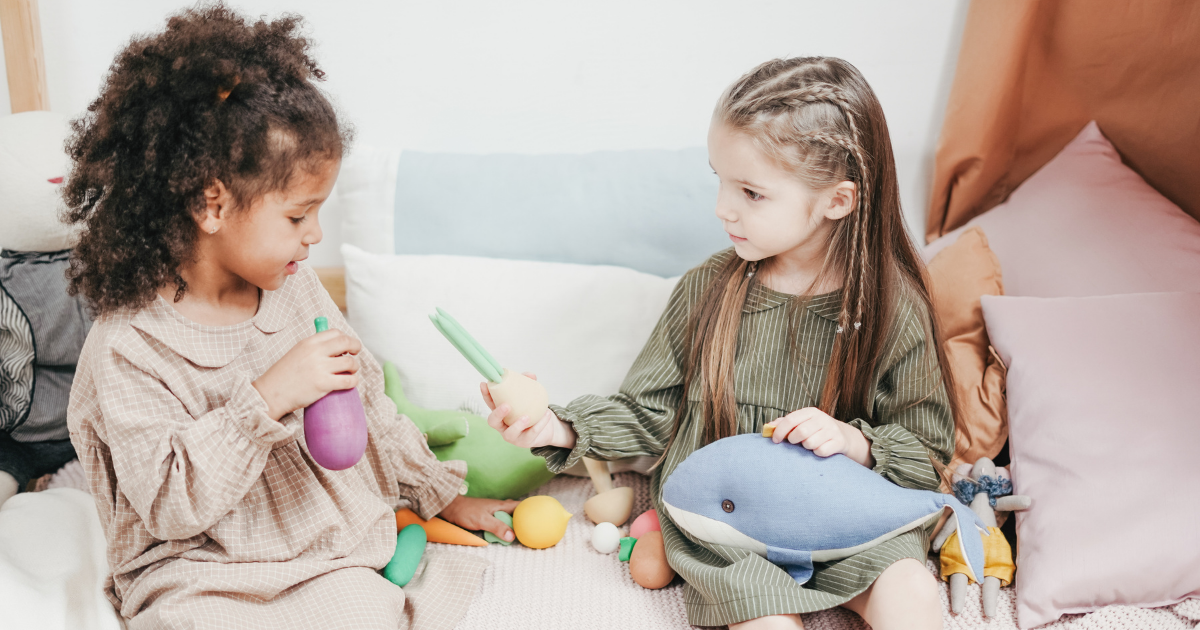
INTRODUCTION - friendship fallouts in children
Friendship fallouts in children can be surprisingly upsetting, especially when your child feels rejected, misunderstood or left out by someone they trusted. You may see tears, anger or worry, or hear your child say, “They’re not my friend anymore.” As a parent, it can be difficult to know whether to step in or allow them to work things out themselves.
During my years working as a counsellor, I supported many children who struggled when friendships changed or disagreements occurred. What may seem like a small argument to an adult can feel enormous to a child.
The encouraging news is that friendship difficulties can help children learn valuable skills. With gentle support, they can learn how to express their feelings, listen to another point of view, apologise when necessary and decide when a friendship is worth repairing.
Here are seven gentle ways to help your child cope and, where possible, make things right.
Understanding Friendship Fallouts in Children
Children’s friendships can change quickly. One day two children may be inseparable, and the next they may have argued over a game, felt excluded from a group or misunderstood something that was said.
Common causes of friendship difficulties include:
- Wanting to play different games
- Feeling left out or replaced by another friend
- Teasing or an unkind comment
- Not sharing or taking turns
- Telling a secret
- Misunderstanding a message or conversation
- Wanting to control the friendship
- Feeling jealous when a friend plays with someone else
Friendship fallouts in children does not always mean that the friendship is over. Sometimes children simply need time, understanding and help finding the right words.
1. Listen Before Trying to Fix It
When your child tells you about a friendship problem, your first instinct may be to offer advice or contact the other child’s parent. However, begin by giving your child time to explain what happened.
Try asking:
- “Can you tell me what happened?”
- “How did that make you feel?”
- “What happened just before the argument?”
- “What would you like to happen now?”
Avoid interrupting or immediately deciding who was right or wrong. Your child may first need to feel heard and understood.
You might say:
“That sounds really upsetting. I can understand why you feel hurt.”
Listening calmly helps your child feel safe enough to talk honestly about their own part in the disagreement too.
2. Help Your Child Name Their Feelings
A friendship fallout in children can bring several emotions at once. Your child may feel angry on the surface but also be experiencing sadness, embarrassment, jealousy or fear of being alone.
Help them put these feelings into words:
“It sounds as though you felt left out when they played without you.”
Or:
“I wonder if you became angry because you were worried you might lose your friend.”
Naming feelings does not excuse hurtful behaviour. It helps children understand what happened inside them and makes it easier to choose a healthier response.
Remind your child that difficult feelings are normal. What matters is how they express and manage those feelings.
3. Gently Explore Both Sides of the Story
Once your child feels calmer, encourage them to think about the situation from the other child’s point of view.
You could ask:
- “How do you think your friend may have felt?”
- “Do you think they understood what you meant?”
- “Is there anything you wish you had done differently?”
- “Could there have been a misunderstanding?”
This is not about blaming your child or dismissing their hurt. It is about developing empathy and helping them understand that two people can experience the same situation differently.
Children often need an adult’s support to recognise how their words, tone of voice or actions may have affected somebody else.
If you would like more ideas for nurturing healthy and lasting relationships, you may find my pillar article, 7 Powerful Ways to Help Children Build Friendships that last helpful.
4. Practice What Your Child Could Say
Children may want to repair a friendship but have no idea how to begin. Practicing at home can make the conversation feel much less frightening.
Depending on what happened, your child could say:
- “I felt left out when you didn’t let me join in.”
- “I’m sorry I shouted at you.”
- “I didn’t mean to hurt your feelings.”
- “Can we talk about what happened?”
- “Could we start again?”
- “Next time, can you tell me if something is wrong?”
You can role-play the conversation together, taking turns being each child.
When responding to a friendship fallouts in children, encourage honest but respectful language. Teach your child to explain how they feel without insulting, blaming or threatening the other person.
5. Teach Your Child How to Give a Meaningful Apology
A rushed “sorry” does not always repair hurt. A meaningful apology helps a child take responsibility for a particular action.
A simple apology might include:
- Saying what they are sorry for.
- Recognising how it affected the other person.
- Explaining what they will try to do differently.
For example:
“I’m sorry I told everyone your secret. I understand that it embarrassed you. I won’t share something private again.”
Do not force your child to apologise while they are still angry. Give them time to calm down and understand what they are apologising for.
An apology also does not guarantee that the friendship will immediately return to normal. The other child may need a little time before they are ready to trust again.
6. Encourage Repair Without Forcing the Friendship
Supporting your child through friendship fallouts in children does not mean insisting that the children become best friends again. Encourage your child to take a small, respectful step, but allow the other child to decide how they respond.
A small step might be:
- Smiling or saying hello
- Asking to talk privately
- Offering a sincere apology
- Inviting the child to join a game
- Writing a short note
- Giving the other child some space
If you’d like to continue supporting your child at home, my children’s book Murphy Makes New Friends gently explores friendship, inclusion and finding the courage to connect with others.
You can find Murphy Helps with Big Feelings on my shop HERE
or on Amazon HERE
Stories can provide a relaxed way to begin conversations about what makes someone a good friend and what children can do when friendships feel difficult.
7. Help Your Child Know When to Step Back
Not every friendship should be repaired. If the other child repeatedly humiliates, controls, threatens or deliberately excludes your child, stepping back may be the healthiest response.
Explain the difference between an ordinary disagreement and an unhealthy pattern of behaviour.
A healthy friend will not be perfect, but they should usually:
- Treat your child with respect
- Allow them to have other friends
- Listen to their feelings
- Accept responsibility sometimes
- Avoid using threats to control them
- Help them feel safe to be themselves
If the problem is continuing at school, speak calmly to the teacher. Ask what has been observed and how the children can be supported without making your child feel embarrassed.
Your child may also benefit from learning how to approach other children. My related article, How to Help a Child start Conversations – 7 Proven confidence building trips, offers practical ideas for beginning new friendships.
A Free Calming Activity for Your Child
Strong feelings can make it difficult for children to talk about a friendship problem straight away. A quiet activity can help them settle before beginning the conversation.
You can download my. FREE MURPHY COLOURING PAGE HERE for your child to enjoy while they take some time to calm their body and organize their thoughts.
You might gently ask afterwards:
- “What do you think makes someone a good friend?”
- “What could Murphy do if his feelings were hurt?”
- “What would help you feel better about what happened?”
Final Thoughts on Friendship Fallouts in Children
Watching your child experience friendship difficulties can be painful, but you do not have to solve everything for them. Your calm presence, careful listening and gentle guidance can help them develop skills they will use throughout their life.
Begin with one practical next step. Help your child name what they are feeling and decide whether they want to apologise, explain their feelings, give the other child some space or reach out to someone new.
Although friendship fallouts in children can feel overwhelming at the time, it can also teach empathy, communication, forgiveness and resilience. With reassurance and support, your child can learn that a disagreement does not define their worth—and that healthy friendships can sometimes be repaired.