
INTRODUCTION
15 Creative Calming Corner Ideas Every Parent Can Easily Create at Home
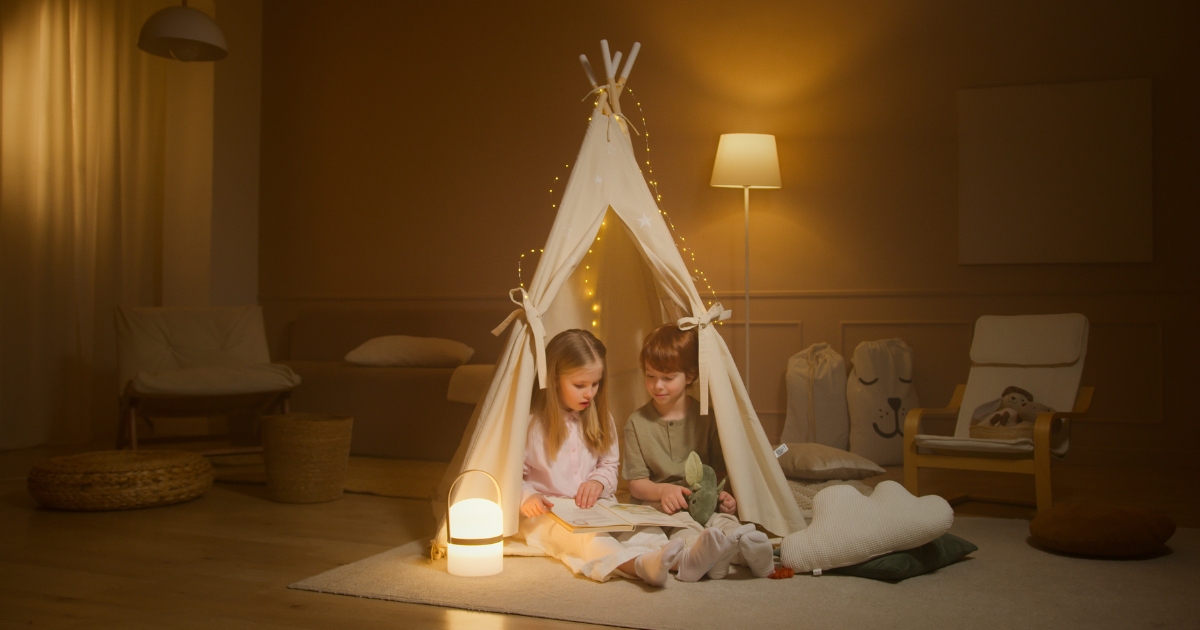
Calming corner ideas can make a remarkable difference when children feel overwhelmed, frustrated, anxious, or emotionally overloaded. Having a dedicated space where children can safely calm themselves helps them develop important emotional regulation skills that can benefit them throughout life.
As a counsellor, I have worked with many parents who struggled to know what to do when their child became upset or overwhelmed. One of the simplest and most effective strategies I often recommended was creating a calming corner at home. Children quickly learn that this special space is not a punishment area but a safe place where they can relax, reset, and regain control of their feelings.
The good news is that creating a calming corner does not require expensive equipment or a large space. With a little creativity, most families can create one using items they already have at home.
What Is a Calming Corner?
A calming corner is a small, comfortable area designed to help children manage big emotions. Unlike a “time-out” space, a calming corner encourages children to recognise their feelings and use healthy coping strategies.
The best calming corner ideas focus on comfort, safety, and emotional regulation.
1. Add Soft Cushions and Pillows
Comfort is important when creating a calming corner for kids.
Large floor cushions, beanbags, or soft pillows help children feel secure and relaxed.
2. Include Favourite Books
Books can help redirect attention away from overwhelming emotions.
Choose calming stories, mindfulness books, or gentle picture books that encourage relaxation.
3. Create a Sensory Basket
Many children find sensory items extremely soothing.
Include:
- Stress balls
- Fidget toys
- Pop-it toys
- Soft fabric squares
- Sensory brushes
These simple calming corner ideas can help children regulate their nervous system.
Looking for More Sensory Calming Activities?
A sensory basket is just one way to help children regulate their emotions. Many children feel overwhelmed when their senses are overloaded by noise, busy environments, strong emotions, or too much stimulation. Providing calming sensory experiences can help them feel safe, settled, and more in control.
If you’re looking for even more practical ideas, read 7 Sensory Calming Activities for Children Who Feel Overwhelmed. Inside, you’ll discover seven simple sensory activities—including water play, sensory bins, play dough, gentle movement, and calming touch activities—that are easy to use at home and designed to help children relax and regulate their emotions.
4. Use Soft Lighting
Harsh lighting can feel overstimulating.
Battery-powered fairy lights, a small lamp, or soft LED lighting can help create a peaceful atmosphere.
5. Add a Feelings Chart
Helping children identify emotions is an important step toward self-regulation.
A simple emotions chart can encourage children to recognise how they are feeling.
6. Create a Breathing Station
Include visual breathing prompts.
Children can practise:
- Balloon breathing
- Rainbow breathing
- Five-finger breathing
You may also enjoy our guide on breathing exercises for children that help calm big feelings, which offers several simple techniques parents can use at home.
Add Mindfulness to Your Calming Corner
A calming corner becomes even more effective when children have simple mindfulness activities to enjoy while they are there. Gentle activities such as mindful breathing, listening to sounds, gratitude, or using their five senses can help children settle their minds and regulate big emotions. For more easy ideas, read our guide 10 Fun Mindfulness Activities for Kids That Build Calm and Confidence, packed with practical activities that are perfect for a calming corner.
7. Use a Weighted Soft Toy
Some children feel comforted by gentle pressure.
A favourite teddy bear or weighted plush toy can help children feel grounded and safe.
8. Display Positive Affirmations
Simple statements such as:
- I am safe.
- I can calm down.
- Feelings come and go.
- I can handle this.
These calm down corner ideas help children develop positive self-talk.
9. Include Calming Music
Soft background music or nature sounds can reduce stress and create a soothing environment.
Many parents find this one of the most effective calming corner ideas for anxious children.
10. Add a Sand Timer
Children often benefit from having a visual reminder that difficult emotions will pass.
A small sand timer can provide reassurance without creating pressure.
11. Create a Drawing Area
Drawing is a powerful emotional outlet.
Keep:
- Crayons
- Pencils
- Paper
- Colouring sheets
within easy reach.
Murphy’s Helpful Book Recommendation
Many children enjoy stories that teach emotional regulation in a gentle way.
Murphy Helps with Big Feelings is designed to help children understand emotions and learn healthy calming strategies.
Explore all my children’s emotional wellbeing books here:
You can also find Murphy books on Amazon.- Brave & Calm Series
12. Include a Worry Box
A worry box allows children to write or draw worries and place them somewhere safe.
This simple activity can help reduce anxious thinking.
13. Use Nature Elements
Plants, pebbles, shells, or natural textures can create a peaceful environment.
Nature often has a naturally calming effect on children.
14. Add a Calm Jar
A glitter calm jar remains one of the most popular calming corner ideas.
As children watch the glitter slowly settle, they learn that strong emotions settle too.
15. Create a Choice Board
Some children struggle to know what will help them calm down.
A choice board might include:
- Read a book
- Take deep breaths
- Colour a picture
- Hug a teddy
- Listen to music
This gives children a sense of control during emotional moments.
Why Every Child Can Benefit from a Calming Corner
A children’s calming corner is not only for anxious children. Every child experiences frustration, disappointment, anger, and worry from time to time.
When children have access to a calming space for children, they learn valuable skills such as:
- Emotional awareness
- Self-regulation
- Problem-solving
- Resilience
- Healthy coping strategies
Over time, these skills can improve confidence, behaviour, and emotional wellbeing.
Mindfulness is another valuable addition to any calming corner. By encouraging children to pause, notice their breathing, and focus on the present moment, mindfulness helps them build lifelong emotional regulation skills. Explore our guide 10 Fun Mindfulness Activities for Kids That Build Calm and Confidence for ten enjoyable ways to help children feel calmer, more focused, and confident every day.
Final Thoughts on Calming Corner Ideas
These calming corner ideas do not need to be perfect. The goal is simply to create a safe, welcoming space where your child can pause, calm down, and feel supported.
Often, the most successful calming corner ideas are the simplest ones. A few cushions, some favourite books, sensory tools, and a little consistency can make a big difference.
If you’re looking for more ways to help children manage emotions, be sure to read our pillar guide:
And if your child enjoys creative activities, don’t forget to download our free Murphy colouring page below.
Free Printable
Download your FREE Murphy colouring page here and enjoy a calming activity together.
Explore More Resources
Explore all my children’s emotional wellbeing books here: