
CHILD ANGER MANAGEMENT: 5 SIMPLE STRATEGIES THAT REALLY HELP
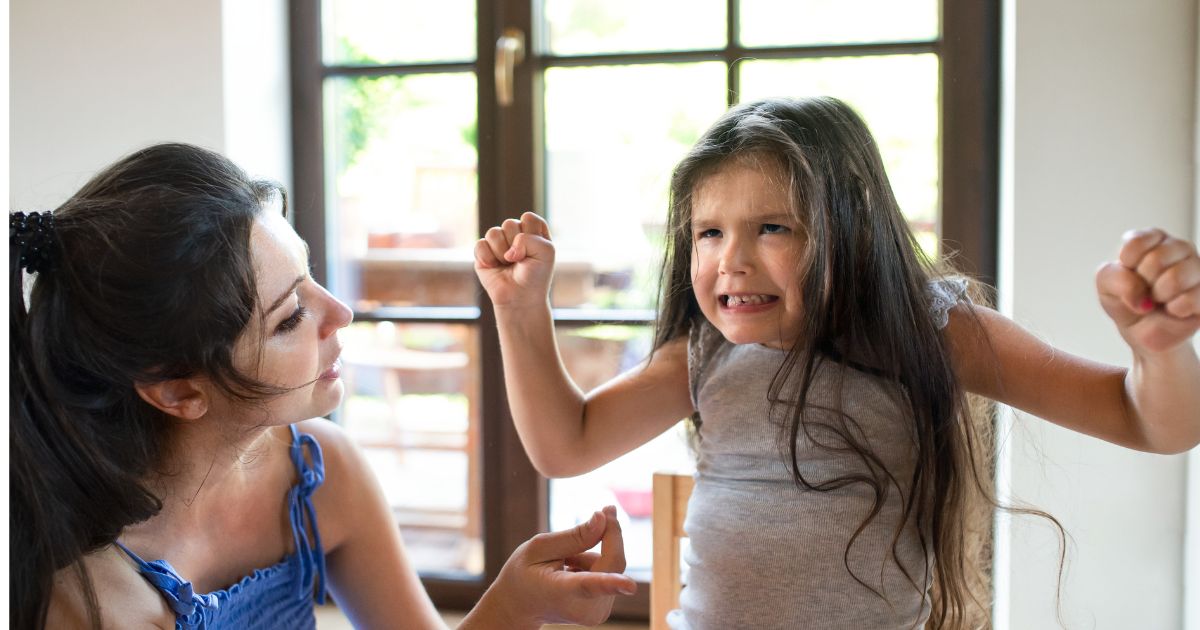
Child anger management is something many parents find challenging, especially when children experience strong emotions they do not yet understand. Every child feels angry at times. Anger is a natural emotion that appears when a child feels frustrated, hurt, misunderstood, or overwhelmed.
The difficulty is not that children feel anger — the real challenge is that many children have not yet learned healthy ways to manage those strong feelings.
When children learn positive child anger management skills, they begin to understand their emotions, communicate better, and calm themselves more easily. With patience, gentle guidance, and consistent support, children can gradually learn to manage anger in healthy and constructive ways
1. Help Children Name Their Feelings
One of the first steps in child anger management is helping a child understand what they are feeling.
Many children express anger because they cannot clearly explain their emotions. Sometimes what looks like anger may actually be disappointment, embarrassment, fear, or frustration.
You can help by calmly saying things such as:
“It looks like you’re feeling really frustrated.”
“I can see that made you angry.”
“That must have been upsetting.”
When children hear adults name emotions, they slowly begin to build emotional awareness. This helps them understand that feelings are normal and can be talked about safely.
Over time, this simple step greatly improves a child’s ability to regulate their emotions.
2. Teach the Pause and Breathe Technique
When a child becomes angry, their body goes into fight-or-flight mode. Their heart beats faster and their mind reacts quickly.
A very effective child anger management technique is teaching children to pause and take slow breaths.
You might say:
“Let’s take three slow breaths together.”
“Breathe in slowly… now breathe out.”
Breathing helps the nervous system calm down. Once the body settles, the child can begin to think more clearly again.
Some parents make this easier by creating a calm-down routine such as counting to five, breathing slowly, or squeezing a soft toy.
3. Create a Calm Space
Sometimes children need a quiet place where they can go when their feelings become too big.
A calm corner or quiet space can be very helpful for child anger management. This space might include:
• a soft cushion
• a favourite toy
• colouring materials
• calming picture books
This space should never feel like punishment. Instead, it should feel like a safe place where the child can calm their body and mind.
Many parents also find that reading gentle emotional learning stories can help children understand feelings. One example is -You can find the book here:
Shop: MURPHY SHOWS KINDNESS – A LITTLE DOG WITH A BIG HEART
or on Amazon: MURPHY SHOWS KINDNESS – A LITTLE DOG WITH A BIG HEART
4. Teach Children Better Ways to Express Anger
Children often show anger through shouting, hitting, or throwing things simply because they do not know another way to express it.
Part of child anger management is teaching safe ways to release those feelings, such as:
• using words to explain what upset them
• drawing how they feel
• squeezing a stress ball
• stamping feet outside
• asking for help
When children learn that anger can be expressed without hurting themselves or others, they gain confidence in handling strong emotions.
You might say:
“It’s okay to feel angry, but it’s not okay to hurt someone. Let’s find another way to show how you feel.”
5. Praise Calm Behaviour
Children learn best through encouragement. When they manage their anger well, even in small ways, it is important to notice and praise their effort.
For example:
“You did a great job calming yourself.”
“I noticed you took deep breaths when you were upset.”
“You handled that really well.”
Positive reinforcement helps strengthen emotional skills. Over time, children begin to feel proud of their ability to control their reactions.
This builds both emotional intelligence and confidence.
Helping Children Learn Emotional Control
Child anger management is not about stopping anger. Instead, it is about teaching children healthy ways to understand and manage their feelings.
With patience, consistency, and gentle guidance, children slowly develop emotional skills that will help them throughout life.
Stories can also be powerful tools for emotional learning. Many parents find that children relate easily to characters who experience similar feelings. If your child struggles with worry or big emotions, you might also enjoy Murphy Helps with Big Feeling – Turning Anger into calm
You can explore the book here:
My Shop:
Murphy Help with Big Feelings – Turning Anger into Calm
Amazon: Murphy Helps with Big Feelings – Turning Anger into Calm
You can also download a free Murphy colouring page to help children relax and express their feelings creatively:
DOWNLOAD FREE MURPHY COLOURING PAGE
If you would like more helpful ideas for supporting children emotionally, you may also enjoy reading this article:
How to Help a Child Make Friends: 5 Powerful Ways to Build Confidence
For a full guide on helping a child with anger, you may find this helpful. HOW TO HELP A CHILD WITH ANGER: 7 CALM & EFFECTIVE WAYS THAT REALLY WORK


