
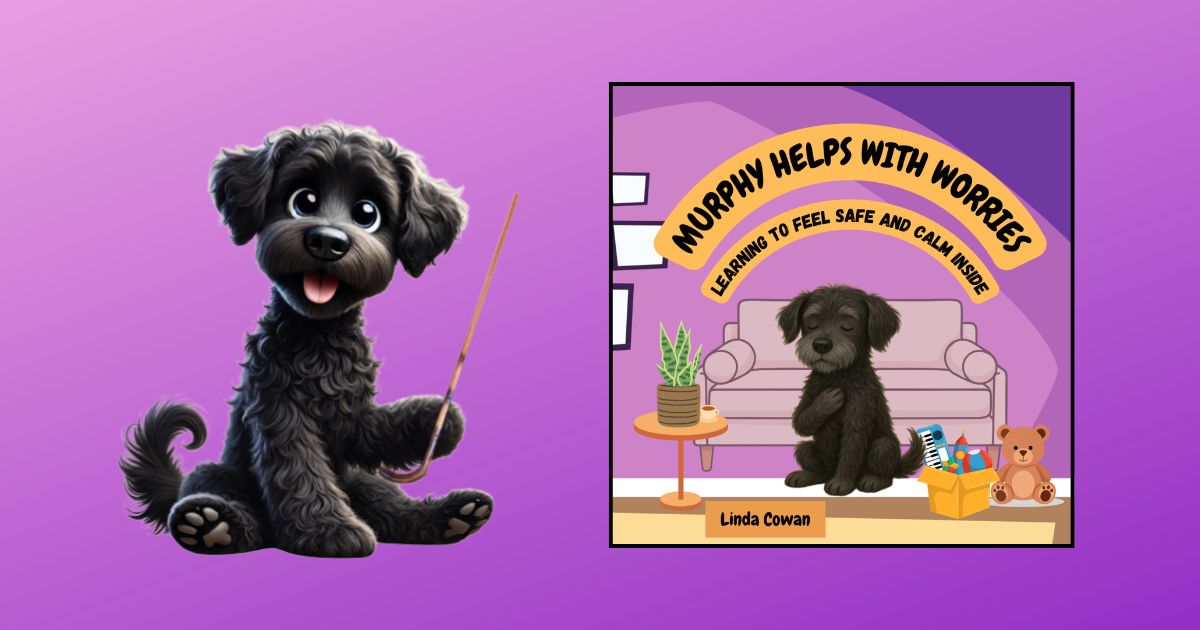
Child Anxiety BooK: 7 Powerful Ways to Help Your child Feel Safe and Calm.
If you are searching for a child anxiety book, you are probably watching your son or daughter struggle with worries that feel bigger than they should.
Maybe it’s bedtime fears.
Maybe it’s school anxiety.
Maybe it’s constant “what if” questions.
As a counsellor and children’s author, I’ve worked with many families who feel helpless when anxiety takes hold. The good news is this: anxiety in children is very treatable — especially when we approach it gently, consistently, and with understanding.
A well-written child anxiety book can become a powerful tool in helping your child feel safe and calm inside.
Here are 7 powerful ways you can support your child.
1. Help Them Name the Worry
Children often feel overwhelmed because they cannot describe what is happening inside them.
Instead of saying, “Stop worrying,” try:
“Can you tell me what your worry is saying?”
“If your worry had a voice, what would it sound like?”
A child anxiety book like Murphy Helps with Worries gives children language for their feelings. When anxiety is named, it becomes less frightening.
👉 You can find the book here on my website:
MURPHY HELPS WITH WORRIES
2. Normalise the Feeling
Children need to know anxiety is not something “wrong” with them.
You might say:
“Lots of children feel like this sometimes.”
“Your body is trying to protect you.”
A good child anxiety book shows characters experiencing worry in a relatable way. When children see that others feel anxious too, shame begins to fade.
3. Teach Calming Tools Early
Practical calming strategies are essential.
Simple techniques include:
Slow belly breathing
Counting backwards
Squeezing a soft toy
Visualising a safe place
In Murphy Helps with Worries, children learn gentle ways to calm their bodies through story. Stories are powerful because they teach without lecturing.
4. Create a Sense of Safety
Anxiety thrives when children feel uncertain.
You can build safety by:
Keeping predictable routines
Offering reassurance without dismissing feelings
Staying calm yourself
A child anxiety book becomes part of that safe routine — especially when read at bedtime.
Reading the same comforting story each evening can signal to a child’s nervous system:
“You are safe.”
5. Separate the Child from the Anxiety
One of the most effective counselling strategies is helping children understand:
“You are not your worry.”
Instead of “You’re such a worrier,” say:
“That worry is being loud today.”
“Let’s see what we can do about it.”
When anxiety becomes something outside of them, children regain a sense of control.
6. Encourage Brave Steps
Avoiding feared situations strengthens anxiety. Gentle encouragement builds resilience.
For example:
If school drop-off is hard, create a consistent goodbye ritual.
Praise small brave steps.
Celebrate effort, not perfection.
A well-written child anxiety book models courage in manageable ways, helping children see that bravery grows slowly — and that’s okay.
7. Use Stories to Strengthen Emotional Security
Stories reach children in ways direct instruction cannot.
A child anxiety book works because:
It feels safe.
It doesn’t single the child out.
It opens conversation naturally.
It provides reassurance through narrative.
Murphy Helps with Worries was written with this in mind. It gently shows children how worries can feel big — but how they can learn to feel safe and calm inside.
You can purchase the book directly here:
👉 MURPHY HELPS WITH WORRIES
Or find it on Amazon here:
👉 MURPHY HELPS WITH WORRIES
Final Thoughts for Parents
If you are looking for a child anxiety book, it means you care deeply about your child’s emotional wellbeing.
Anxiety does not mean your child is weak.
It does not mean you are failing.
It simply means their nervous system needs reassurance and tools.
With patience, warmth, and the right support, children can learn to manage worries in healthy ways.
Books, conversations, routines, and gentle encouragement all play a role.
And sometimes, it begins with one simple story at bedtime.


