
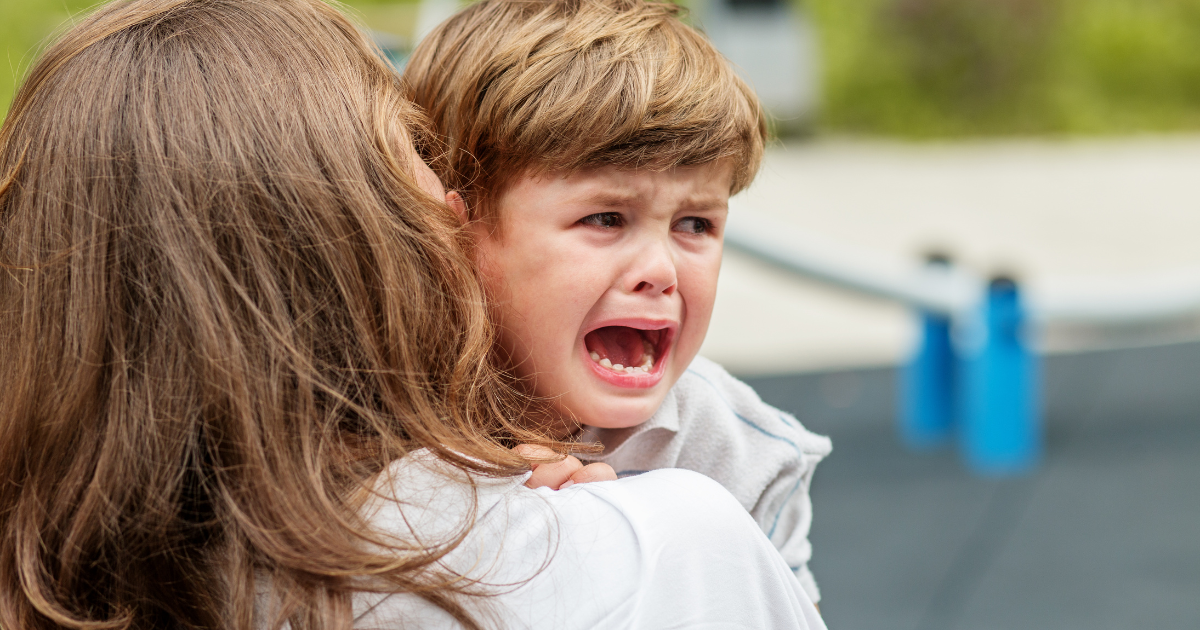
INTRODUCTION - How to Help a child calm down during a meltdown.
How to help a child calm down during a meltdown is one of the questions parents ask most often. Watching your child scream, cry, kick, or become completely overwhelmed can leave you feeling helpless. In those difficult moments, it is natural to wonder what you should do—or whether anything you do is helping.
As a counsellor, I worked with many families who felt exhausted by emotional meltdowns. One thing I repeatedly saw was that children were not trying to be difficult. They were overwhelmed by emotions they simply did not yet know how to manage. With calm, patient support, children gradually learn that big feelings can be understood, accepted, and safely worked through.
The encouraging news is that emotional regulation is a skill children learn over time. Your calm presence can make an enormous difference.
Why Children Have Emotional Meltdowns
How to help a child calm down during a meltdown: A meltdown happens when a child’s brain becomes overwhelmed. At that moment, the thinking part of the brain temporarily takes a back seat while the emotional part takes over.
Common triggers include:
- Tiredness
- Hunger
- Frustration
- Sensory overload
- Anxiety
- Sudden changes to routine
- Feeling misunderstood
Understanding the cause doesn’t stop every meltdown, but it helps us respond with empathy instead of frustration.
1. Stay Calm Yourself
Children often borrow calm from the adults around them.
Speaking softly and slowing your own breathing helps your child feel safer.
Remember, your calm nervous system helps regulate theirs.
2. Lower Your Voice
Many adults naturally raise their voice during stressful moments.
Ironically, quieter voices are usually much more effective.
A gentle voice communicates safety.
3. Offer Safety Before Solutions
During an emotional meltdown, your child doesn’t need a lecture.
They need to know:
“I’m here.”
“You’re safe.”
“We’ll get through this together.”
4. Reduce Noise and Stimulation
Bright lights, loud sounds, crowds, or busy environments can make meltdowns worse.
If possible, move somewhere quieter where your child has space to calm down.
5. Avoid Reasoning During the Meltdown
When emotions are running high, logical explanations rarely work.
Save teaching, problem-solving, and discussions until your child is calm again.
Is aggression causing your child’s meltdowns?
Some children become physically aggressive during a meltdown. They may hit, kick, bite, throw objects, or lash out—not because they are “bad,” but because they feel completely overwhelmed and don’t yet have the skills to manage such intense emotions.
If you’ve been asking yourself, Why Is My Child So Aggressive? 7 Eye-Opening Reasons Every Parent Should Know this guide explains some of the most common reasons behind aggressive behaviour and shares gentle, practical ways to help your child feel calmer, safer, and more in control.
6. Use Simple Reassuring Words
Instead of asking lots of questions, try short comforting phrases such as:
- “I’m with you.”
- “You’re safe.”
- “We’ll wait together.”
- “Take your time.”
Simple words often help children feel secure.
7. Offer Comfort If They Want It
Some children want a cuddle.
Others need space.
Follow your child’s cues rather than forcing physical comfort.
A Helpful Resource for Big Feelings
If your child often struggles with overwhelming emotions, my picture book Murphy Helps with Big Feelings- My Shop gently teaches children healthy ways to recognise and manage strong emotions through an engaging story.
Explore all my children’s emotional wellbeing books here: Murphy’s Brave & Calm Series – My Shop
You can also find Murphy Helps with Big Feelings on Amazon.
If you’re looking for more everyday calming ideas, you may also enjoy my pillar guide:
8. Let the Feelings Pass
Not every meltdown needs to be stopped quickly.
Sometimes children simply need the emotional storm to pass while knowing you are nearby.
Being present is often enough.
9. Try Slow Breathing Together
Once your child begins settling, gently encourage slow breathing.
Pretend to blow bubbles or slowly blow out birthday candles.
These playful breathing exercises help activate the body’s natural calming response.
10. Use a Favourite Comfort Object
Soft toys, blankets, sensory toys, or favourite books can all help children feel safe.
These familiar objects provide reassurance during overwhelming moments.
11. Talk About What Happened Afterwards
Once calm returns, gently explore what happened.
You might ask:
- “What made things feel so big?”
- “What helped you feel better?”
- “What could we try next time?”
These conversations build emotional awareness over time.
12. Celebrate Every Small Success
Learning emotional regulation takes practice.
Notice even small improvements.
You might say:
“I noticed you calmed down more quickly today.”
“You took some lovely deep breaths.”
“You asked for a cuddle—that was a great choice.”
Small encouragement helps children develop confidence in managing their feelings.
When Meltdowns May Need Extra Support
Most emotional meltdowns are a normal part of child development. However, if meltdowns become very frequent, extremely intense, or begin affecting everyday life, it may be helpful to speak with your GP, health visitor, or another qualified professional.
Early support can make a real difference.
Final Thoughts – How to help a child calm down during a meltdown.
Knowing how to help a child calm down during a meltdown isn’t about finding a perfect response every time. It is about providing safety, patience, and connection while your child learns to manage big emotions.
Over time, these gentle strategies help children develop emotional resilience and confidence. Every calm response you offer is teaching your child an important lifelong skill.
Many children benefit from sensory activities after a meltdown. You may also enjoy 7 Sensory Calming Activities for Children Who Feel Overwhelmed,which shares simple ways to help children regulate their emotions through touch, movement, and play.
Download your FREE Murphy calming colouring page here. It is a gentle activity that children can enjoy after a difficult moment, helping them relax while encouraging conversation about feelings.


