
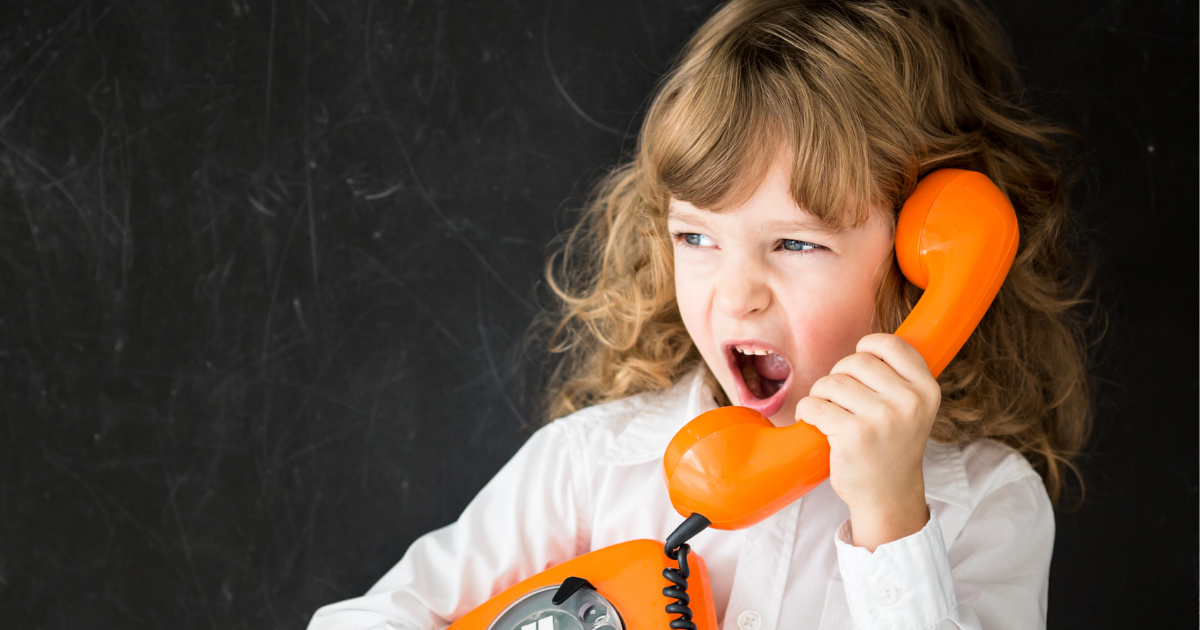
INTRODUCTION - WHY IS MY CHILD SO AGGRESSIVE?
If you’ve ever found yourself asking, “Why is my child so aggressive?”, you’re certainly not alone. Seeing your child lash out, hit, shout, bite, or become physically aggressive can leave you feeling worried, frustrated, and even guilty.
As a counsellor, I worked with many parents who came to me asking this exact question. Often they feared they were doing something wrong or believed their child was becoming “bad.” In reality, aggressive behaviour is usually a sign that a child is struggling with something they don’t yet know how to express. Understanding the reason behind the behaviour is the first step towards helping your child develop healthier ways of coping.
In this guide, we’ll explore seven powerful reasons why children become aggressive and what parents can do to help.
Why Does Aggression Happen?
Aggression is usually a form of communication.
Young children often lack the emotional skills, vocabulary, and self-control needed to express difficult feelings. Instead of saying,
“I’m overwhelmed.”
or
“I’m scared.”
they may hit, scream, throw objects, or push others away.
Looking beneath the behaviour helps us respond with understanding instead of simply punishment.
1. Big Feelings Become Bigger Than They Can Manage
One of the most common answers to “Why is my child so aggressive?” is emotional overload.
Children experience huge emotions but have very little experience managing them.
These emotions might include:
- frustration
- disappointment
- jealousy
- embarrassment
- fear
- sadness
When emotions become overwhelming, aggression can become their quickest release.
What helps – Why is My Child so aggressive?
- Stay calm yourself.
- Name the emotion.
- Help your child feel understood before correcting behaviour.
When Frustration Turns into Aggression
Some children become aggressive when a task feels too difficult, they lose a game, make a mistake or cannot have what they want. Because they have not yet learned how to tolerate disappointment, their frustration may quickly appear as shouting, hitting, throwing things or giving up.
Building frustration tolerance in children helps them understand that although things will not always go as planned, they can learn to cope with disappointment safely. Parents can support this by acknowledging the feeling, helping children pause and encouraging them to try again when they feel ready.
You may also find this guide helpful:
Frustration Tolerance in Children: 9 Powerful Ways to Help Your Child Cope When Things Go Wrong
It shares nine gentle, practical ways to help children manage setbacks, develop perseverance and respond more calmly when things do not go their way.
2. They Haven’t Yet Learned Emotional Regulation
Children are not born knowing how to calm themselves.
Emotional regulation develops slowly throughout childhood.
Some children naturally develop these skills more slowly than others, particularly if they are highly sensitive or easily overwhelmed.
Instead of expecting instant self-control, think of emotional regulation as a skill that requires practice.
What helps
Teach calming strategies such as:
- deep breathing
- counting
- sensory activities
- taking a calm break
- using a feelings chart
Helping Children Learn Healthy Ways to Calm Down
If your child regularly struggles with angry outbursts, our guide How to Help a Child with Anger: 7 Calm & Effective Ways That Really Work shares practical strategies you can begin using today. It explains how to respond calmly while teaching children healthier ways to manage big emotions.
What If Aggression Leads to Meltdowns?
Sometimes aggressive behaviour builds until a child has a full emotional meltdown. During these moments, children aren’t being deliberately difficult—they’re overwhelmed and need calm, supportive guidance rather than punishment.
If your child struggles with explosive outbursts, you may also find our guide How to Help a Child Calm Down During a Meltdown: 12 Gentle Strategies That Really Work helpful. It shares practical, step-by-step techniques to help children regain control while strengthening their emotional regulation skills.
3. They’re Tired, Hungry or Overstimulated
Sometimes aggression has surprisingly simple causes.
Children who are:
- overtired
- hungry
- unwell
- overstimulated
- overwhelmed by noise
often have much less emotional control.
Think of aggression as the warning light rather than the problem itself.
What helps
Look for patterns.
Does the behaviour happen:
- after school?
- before meals?
- late in the evening?
- after busy social events?
Small changes to routines can make a huge difference.
4. They’re Copying What They See
Children learn through observation.
If they regularly see shouting, hitting, aggressive television, older siblings fighting, or adults losing control, they may believe this is how problems are solved.
This does not mean parents are to blame.
Children copy behaviour from many places including:
- school
- friends
- games
- television
- YouTube
- social media
- extended family
What helps
Model calm behaviour consistently.
Children learn far more from what we do than what we say.
5. Anxiety Can Look Like Anger
Many parents are surprised to discover that anxious children often appear angry rather than frightened.
When children feel unsafe or worried, their nervous system moves into “fight or flight.”
Sometimes that “fight” response looks like aggression.
Signs this may be anxiety include:
- becoming aggressive in unfamiliar situations
- refusing school
- difficulty separating from parents
- sleep problems
- worrying excessively
Supporting the anxiety often reduces the aggression.
A Gentle Resource for Children with Big Feelings
Many families also find it helpful to use stories when talking about emotions.
Murphy Helps with Big Feelings – My shop – gently teaches children how to recognise anger, understand their emotions, and discover healthy ways to calm down.
Explore all my children’s emotional wellbeing books here: Murphy’s Brave & Calm Series – My Shop
You can also find Murphy Helps with Big Feelings on Amazon if you prefer to order there.
6. They Don’t Yet Have the Words
Some children become aggressive because they simply cannot explain what is wrong.
Instead of saying:
- “That’s unfair.”
- “Leave me alone.”
- “I’m embarrassed.”
they push, shout or hit.
This is especially common in younger children.
What helps
Teach feeling words every day.
Try asking:
- “Are you feeling disappointed?”
- “Did that make you frustrated?”
- “Were you feeling left out?”
The more emotional vocabulary children learn, the less they need behaviour to communicate.
7. They’re Asking for Connection
Aggressive behaviour is sometimes a child’s way of saying,
“I need you.”
Children experiencing:
- family changes
- stress
- grief
- new siblings
- friendship problems
may act aggressively because they feel emotionally disconnected.
Connection often comes before correction.
What helps
Spend small amounts of uninterrupted one-to-one time together every day.
Even 10 minutes of focused attention can strengthen emotional security.
When Should You Seek Professional Help?
When asking yourself, why is my child so aggressive, it has to be remembered that occasional aggression is a normal part of child development.
However, consider seeking additional support if aggression:
- becomes frequent
- causes injury
- continues beyond what is typical for your child’s age
- affects school life
- damages friendships
- causes significant family stress
Early support can make a remarkable difference.
Final Thoughts – Why is My Child So aggressive?
If you’ve been wondering, “Why is my child so aggressive?”, remember that aggressive behaviour is usually a signal that something deeper is going on.
Children are rarely trying to make life difficult—they’re trying to cope with feelings they don’t yet understand.
With patience, consistent boundaries, emotional coaching, and lots of reassurance, most children gradually learn healthier ways to express themselves.
Every calm response you give is helping your child build emotional skills that will benefit them for years to come.
Looking for another simple way to help children understand their emotions?
Free Anger Management Worksheet for Kids
Looking for a simple way to help your child understand and manage big emotions?
Our FREE Anger Management Worksheet for Kids is designed to help children recognise their feelings, identify what triggers their anger, and begin learning healthy ways to calm down. It’s a gentle, practical resource that parents can use at home to encourage positive conversations about emotions.
Download your FREE Anger Management Worksheet for Kids here:
Helping children understand their emotions is one of the first steps towards building lifelong emotional resilience.


