
INTRODUCTION
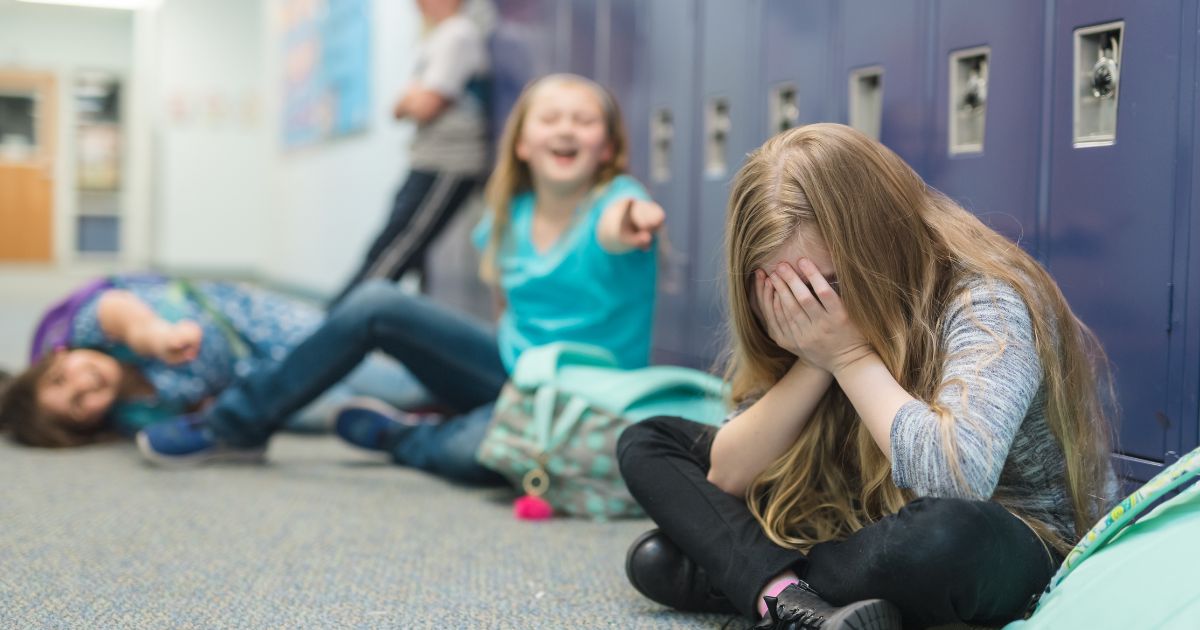
Effects of bullying on a child can be far more damaging than many people realise. While parents often see the immediate sadness or distress, the emotional wounds caused by bullying can run much deeper and affect a child’s mental health, confidence, and sense of self-worth.
As a counsellor for many years, I have worked with children and adults whose struggles could be traced back to experiences of bullying. Some carried feelings of anxiety, rejection, and low self-esteem for years. The encouraging news is that children are resilient, and with the right support, they can recover and regain their confidence.
Understanding the hidden effects of bullying on a child can help parents recognise the warning signs and take action before lasting emotional damage occurs.
What Are the Effects of Bullying on a Child?
The effects of bullying on a child may show up emotionally, socially, physically, and academically. Some children become withdrawn, while others become angry or anxious. Every child responds differently, but the emotional impact should never be underestimated.
Here are seven hidden effects parents should be aware of.
1. Anxiety and Fear
One of the most common effects of bullying on a child is anxiety.
Children who are bullied often live in a state of anticipation, worrying about what may happen next. School can begin to feel unsafe, and everyday situations may trigger fear.
Signs may include:
- Difficulty sleeping
- School refusal
- Stomach aches or headaches
- Excessive worrying
- Clinginess at home
Children may appear nervous even when there is no obvious threat because they are constantly expecting something bad to happen.
2. Loss of Confidence and Self-Worth
Bullying attacks a child’s sense of identity.
When hurtful comments are repeated, children may begin to believe them. They start to question their value and may lose confidence in situations they once enjoyed.
You may hear statements such as:
- “Nobody likes me.”
- “I’m not good enough.”
- “I’m different.”
One of the hidden effects of bullying on a child is the gradual loss of self-belief that can affect friendships, learning, and future relationships.
3. Social Withdrawal and Isolation
Many bullied children begin to pull away from others.
They may stop attending clubs, avoid social activities, or spend increasing amounts of time alone. This withdrawal is often a way of protecting themselves from further hurt.
If your child appears lonely or reluctant to engage with friends, bullying may be having a deeper emotional impact than you realise.
Related Support for Parents
If your child is currently facing bullying, you may find this article helpful:
My Child Is Being Bullied – 7 Gentle But Powerful Ways to Support Them
In that guide, you’ll find practical steps to help your child feel safe, heard, and supported while addressing the bullying situation.
4. Depression and Persistent Sadness
Another serious effect is low mood.
Children may appear tearful, lose interest in favourite activities, or seem emotionally flat. Some children become quieter, while others become more irritable.
Possible signs include:
- Frequent crying
- Low energy
- Changes in appetite
- Lack of motivation
- Feelings of hopelessness
The longer bullying continues, the greater the potential impact on emotional wellbeing.
5. Anger and Emotional Outbursts
Not every child responds to bullying with tears.
Some children express their pain through anger.
Parents may notice:
- Temper tantrums
- Increased irritability
- Defiance
- Emotional meltdowns
- Aggression towards siblings
Often, anger is simply a child’s way of expressing hurt, fear, or frustration.
Helping children identify and manage these emotions is an important part of recovery.
A Gentle Resource for Children
Stories can help children understand difficult emotions and feel less alone.
My book Murphy Helps with Big Feelings – You will find it HERE in My Shop which gently explores emotions such as anger, frustration, sadness, and worry in a child-friendly way.
You can also find it on Amazon – Murphy Helps with Big Feelings
Explore all my children’s emotional wellbeing books here on Amazon Brave & Calm Series
6. Difficulty Concentrating at School
One of the lesser-known effects of bullying on a child is reduced concentration.
When children are worried about being teased, excluded, or hurt, their minds focus on survival rather than learning.
Parents and teachers may notice:
- Falling grades
- Lack of concentration
- Reduced participation
- Increased absences
- Loss of motivation
Academic difficulties are often a sign that a child is struggling emotionally.
7. Long-Term Self-Esteem Problems
Perhaps the most concerning of all the effects of bullying on a child is the possibility of lasting damage to self-esteem.
Without support, children may carry harmful beliefs into adolescence and adulthood, including:
- “I’m not lovable.”
- “People won’t accept me.”
- “I’m not important.”
These beliefs can influence future friendships, relationships, and overall wellbeing.
The good news is that loving support, positive relationships, and appropriate intervention can help children rebuild confidence and develop resilience.
Helping Your Child Recover
If your child has experienced bullying:
- Listen without judgement.
- Reassure them that the bullying is not their fault.
- Take concerns seriously.
- Work closely with the school.
- Encourage healthy friendships.
- Build confidence through strengths and interests.
- Seek professional support if needed.
Recovery takes time, but children can heal when they feel understood and supported.
Further Reading
Many children who experience bullying begin to question their worth and wonder if they are accepted by others.
If your child often says “Nobody likes me,” you may find this article helpful:
Child Says Nobody Likes Me – 7 Powerful Ways to Build Confidence and Hope
This article offers practical ways to rebuild confidence and help children develop healthier beliefs about themselves.
Final Thoughts on the Effects of Bullying on a Child
The effects of bullying on a child often extend far beyond the playground. Anxiety, low confidence, loneliness, anger, and poor self-esteem can all develop when bullying continues unchecked.
Understanding the effects of bullying on a child allows parents to respond with compassion and confidence. With early intervention, supportive relationships, and plenty of encouragement, children can overcome these challenges and develop resilience for the future.
No child should suffer in silence, and no parent has to face this journey alone.
Free Download
Looking for a gentle way to encourage conversation about feelings?
Download your free Murphy colouring page here:
Colouring activities can provide a calm opportunity for children to relax, talk openly, and process difficult emotions.


