
INTRODUCTION
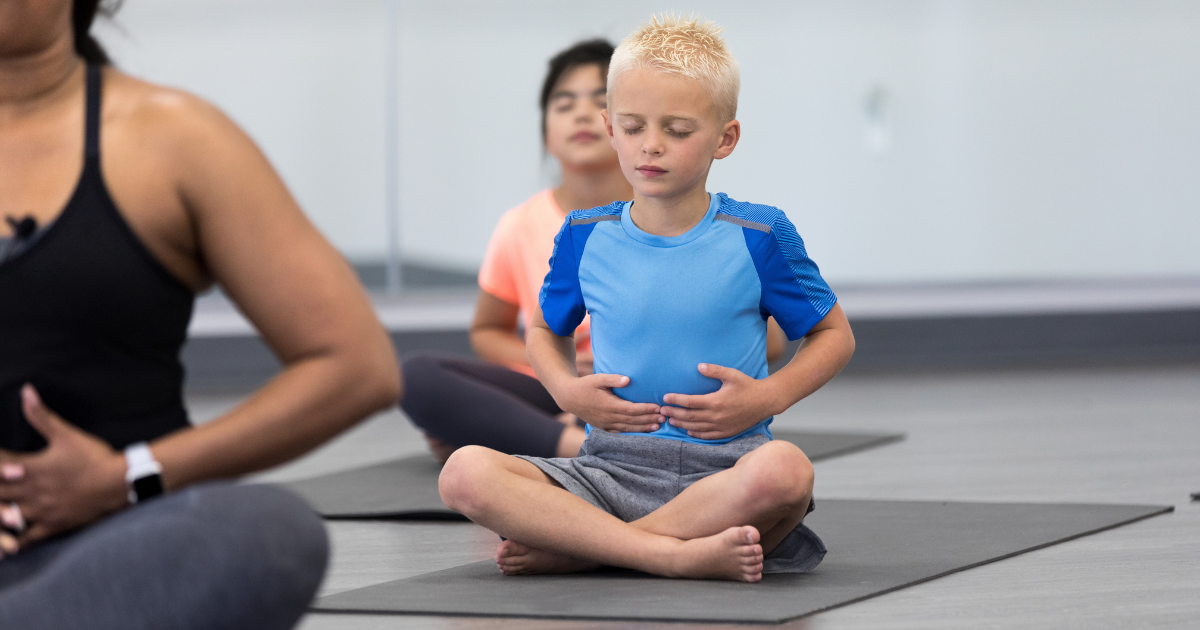
Breathing exercises for children are one of the simplest and most effective ways to help children manage anxiety, anger, frustration, and overwhelming emotions. When children learn how to slow their breathing, they send a powerful message to their brain and body that they are safe.
As a counsellor for many years, I have worked with countless children who struggled with worries, big emotions, and anxious thoughts. One of the first calming tools I often introduce is simple breathing. It is free, easy to learn, and can be used anywhere—at home, school, bedtime, or during stressful situations.
The wonderful thing about breathing exercises for children is that they can be turned into fun games rather than feeling like a lesson. Let’s explore seven simple techniques that can help children feel calmer and more in control.
Why Breathing Exercises Work
When children become upset, their bodies often switch into “fight, flight, or freeze” mode. Their breathing becomes faster, their heart beats quicker, and their thoughts may race.
Simple breathing activities help activate the body’s natural calming system. As breathing slows down, children often notice:
- Less anxiety
- Reduced anger
- Improved focus
- Better emotional regulation
- Greater feelings of safety
This is why many counsellors, teachers, and child psychologists regularly recommend breathing exercises for children.
1. Balloon Breathing
Balloon Breathing is one of the easiest breathing exercises for children to learn.
Ask your child to:
- Place both hands on their tummy.
- Slowly breathe in through their nose.
- Imagine their tummy inflating like a balloon.
- Slowly breathe out through their mouth.
- Imagine the balloon gently deflating.
Repeat five times.
Children enjoy the visual image of becoming a balloon, making this a great exercise for younger children.
2. Smell the Flower, Blow the Candle
This playful exercise encourages slow, controlled breathing.
Ask your child to:
- Pretend they are holding a beautiful flower.
- Slowly smell the flower through their nose.
- Then pretend they are blowing out a candle.
- Slowly breathe out through their mouth.
Repeat several times.
This technique works particularly well when children are feeling worried or nervous.
3. Teddy Bear Breathing
This calming activity is perfect at bedtime.
Your child lies on their back and places a small teddy bear on their tummy.
Encourage them to:
- Watch the teddy rise as they breathe in.
- Watch the teddy fall as they breathe out.
This simple visual focus helps children slow down naturally and can make bedtime much calmer.
Looking for More Ways to Help Your Child Settle at Bedtime?
Breathing exercises can be especially helpful as part of a gentle bedtime routine, but some children benefit from having a few different calming activities to help them gradually slow down at the end of the day.
Quiet colouring, gentle stretching, calming music, a reassuring story and a few peaceful minutes talking together can all help signal that the busy part of the day is coming to an end.
If your child finds it difficult to switch off at night, you may find 10 Calming Activities for Kids Before Bed That Really Help Them Settle helpful. It includes ten simple and gentle ideas you can use to create a calmer, more predictable bedtime routine.
4. Rainbow Breathing
Rainbow Breathing combines imagination with relaxation.
Ask your child to:
- Trace an imaginary rainbow in the air.
- Breathe in as their finger travels up one side.
- Breathe out as their finger travels down the other side.
Children often enjoy repeating this several times while imagining colourful rainbows.
4. Helping Children Build Emotional Resilience
Breathing is only one part of helping children manage emotions successfully. If your child often feels worried or overwhelmed, you may also find these calming activities helpful: 10 Calming Activities for Anxious Kids That Really Work
Breathing is a wonderful place to start, but it can also help children to have several different calming strategies to choose from. Some children respond well to breathing, while others may need movement, grounding, sensory activities or another simple technique to help their bodies settle.
If you’d like to give your child a few more practical tools, read 7 Powerful Calming Techniques for Kids That Really Work. It shares simple techniques children can practice during calm moments and gradually learn to use when they feel worried, frustrated or overwhelmed.
When Breathing Isn’t Enough, Try Grounding
Breathing exercises can be wonderfully calming, but there may be times when a child’s thoughts are racing or their emotions feel so overwhelming that concentrating on their breathing is difficult.
This is where grounding exercises for kids can be particularly helpful.
Grounding gently brings a child’s attention away from overwhelming thoughts and back to the present moment. Simple activities such as noticing what they can see, hear and touch, feeling their feet firmly on the floor, or holding a familiar object can give their mind something safe and concrete to focus on.
Breathing and grounding can also work beautifully together. Your child might first notice their feet on the floor, name a few things they can see around them, and then begin taking slow, gentle breaths once they feel a little more settled.
For 10 simple techniques you can practice together, read Grounding Exercises for Kids: 10 Powerful Ways to Calm Big Feelings. These gentle exercises can give children another practical tool to use when worries, anxiety or big emotions begin to take over.
These gentle strategies work well alongside breathing exercises for children and help build lifelong coping skills.
Mindfulness is another wonderful way to help children slow down and become more aware of their thoughts, feelings, and surroundings. When combined with breathing exercises, simple mindfulness activities can strengthen emotional regulation, improve focus, and build lasting confidence. If you’d like more easy ideas, read our guide: 10 Fun Mindfulness Activities for Kids That Build Calm and Confidence.
Create a Calm Space for Breathing Practice
Many children find it easier to use breathing exercises when they have a quiet, comforting place where they feel safe. A simple calming corner can become a child’s special space to pause, breathe deeply, and settle big emotions before they become overwhelming.
If you’d like some easy ideas, don’t miss our guide 15 Creative Calming Corner Ideas Every Parent Can Easily Create at Home, where you’ll discover simple, affordable ways to create a peaceful space that encourages calm, emotional regulation, and confidence.
5. Five Finger Breathing
This is one of the most popular breathing exercises for children because it is portable and can be used anywhere.
Ask your child to:
- Hold one hand out.
- Use the finger of their other hand to slowly trace around each finger.
- Breathe in while tracing up a finger.
- Breathe out while tracing down.
By the time they finish all five fingers, they often feel noticeably calmer.
This technique is particularly useful at school because children can do it quietly without drawing attention to themselves.
Help Your Child Recognise When Worry Is Growing
Breathing exercises can be even more helpful when children begin to recognise when their worry is starting to grow.
An anxiety thermometer for kids is a simple visual tool that helps children show how worried they feel using numbers, colours and facial expressions. For example, they might be at a 1 when they feel calm, a 3 when their worry is getting bigger, or a 5 when they feel completely overwhelmed.
Once your child begins to recognise their level of worry, you can gently help them choose what might help next. If they notice their worry moving upwards, a familiar breathing exercise such as Five Finger Breathing or Balloon Breathing may help them slow down and feel more settled.
If you’d like to try this with your child, read Anxiety Thermometer for Kids: 7 Simple Steps to Help Children Manage Worry It explains how to introduce the thermometer, help children recognise their body’s warning signs and connect different levels of worry with simple calming strategies.
6. Bumblebee Breathing
Children usually love this one.
Ask them to:
- Take a slow breath in.
- Gently hum like a bee as they breathe out.
The humming vibration can feel soothing and relaxing.
Many children find this exercise fun, making them more likely to practise it regularly.
Murphy’s Helpful Book for Big Feelings
If your child struggles with worries, anxiety, or overwhelming emotions, they may enjoy Murphy Helps with Worries from the Murphy’s Brave & Calm Series.
Explore all my children’s emotional wellbeing books here:
BRAVE & CALM SERIES (my shop)
You can also find Murphy’s books on Amazon.
Stories often help children understand their feelings and practise calming skills in a gentle, reassuring way.
7. Square Breathing
Square Breathing is often used by adults, but children can learn it too.
Imagine drawing a square.
- Breathe in for 4 counts.
- Hold for 4 counts.
- Breathe out for 4 counts.
- Hold for 4 counts.
Repeat several times.
Older children particularly enjoy this exercise because it feels structured and easy to remember.
When Should Children Practise Breathing Exercises?
The best time to teach breathing exercises for children is when they are already calm.
Practising during calm moments helps children remember the skill when they actually need it.
Try introducing these exercises:
- Before school
- At bedtime
- During homework
- Before sports or performances
- After a difficult day
The more children practise, the more natural these calming skills become.
Final Thoughts on Breathing Exercises for Children
Breathing exercises for children are simple tools that can make a significant difference in helping children manage worries, anxiety, frustration, and big emotions. The key is to keep them fun, gentle, and age-appropriate.
Every child is different. Some may love Balloon Breathing, while others prefer Teddy Bear Breathing or Five Finger Breathing. Encourage your child to experiment and discover which techniques feel most helpful.
Over time, these simple breathing exercises for children can become valuable lifelong skills that support emotional wellbeing, confidence, and resilience.
Many families find that combining breathing exercises with simple mindfulness activities gives children even more tools to manage big emotions. Our guide, 10 Fun Mindfulness Activities for Kids That Build Calm and Confidence, shares ten enjoyable activities that help children feel calmer, more focused, and emotionally resilient.
For even more calming ideas, don’t miss our pillar guide:
10 Calming Activities for kids that actually work
And if your child enjoys colouring activities, download our free printable colouring page here: