
INTRODUCTION
Positive affirmations for kids can help build confidence one small step at a time.
Every child has an inner voice. Over time, that voice becomes the way they see themselves. When children regularly hear kind, encouraging words, they slowly begin to believe them.
As a counsellor, I worked with many young people who doubted themselves. Some believed they weren’t clever enough. Others thought they weren’t good at making friends or were afraid to try new things. One of the simplest techniques I often encouraged parents to use was positive affirmations. While affirmations don’t magically remove anxiety or low self-esteem overnight, they can gradually replace negative self-talk with healthier, kinder thoughts.
The wonderful thing is that positive affirmations for kids only take a few minutes each day but can leave a lasting impression on a child’s confidence.
What Are Positive Affirmations for Kids?
Positive affirmations for kids are short, encouraging statements that help children develop healthier beliefs about themselves.
Instead of focusing on what they cannot do, affirmations gently remind children of their strengths, abilities and worth.
Examples include:
- I am brave.
- I can keep trying.
- I am loved.
- My mistakes help me learn.
The more often children hear these messages, the more familiar they become.
Why Do Positive Affirmations Work?
Children naturally absorb the messages they hear repeatedly.
If a child often says:
“I’m useless.”
“Nobody likes me.”
“I can’t do it.”
those thoughts gradually become their beliefs.
Positive affirmations help interrupt this cycle by replacing negative thoughts with healthier ones.
Over time they can encourage:
- Greater confidence
- Better emotional resilience
- A stronger growth mindset
- Reduced fear of failure
- Improved self-esteem
When Your Child Speaks Negatively About Themselves
If your child regularly says, “I’m useless” or “I can’t do anything right,” positive affirmations for kids can help develop kinder thoughts. You may also find this guide helpful: Negative Self-Talk in Children – 7 Powerful Ways to Help Your Child Build a Kinder Inner Voice.
20 Positive Affirmations for Kids
Here are twenty gentle affirmations you can use every day.
1. I am loved exactly as I am.
Children need to know that love isn’t earned through perfect behaviour.
2. I can do hard things.
Challenges become less frightening when children believe they can cope.
3. I learn something new every day.
Mistakes become opportunities rather than failures.
4. My feelings matter.
Helping children accept emotions builds emotional intelligence.
5. I am brave even when I feel nervous.
Bravery isn’t the absence of fear—it’s trying anyway.
6. I believe in myself.
Confidence grows through repetition.
7. I am kind to others.
Kindness builds friendships and self-worth.
8. I can keep trying.
Persistence often matters more than perfection.
9. I am enough.
One of the most powerful messages any child can hear.
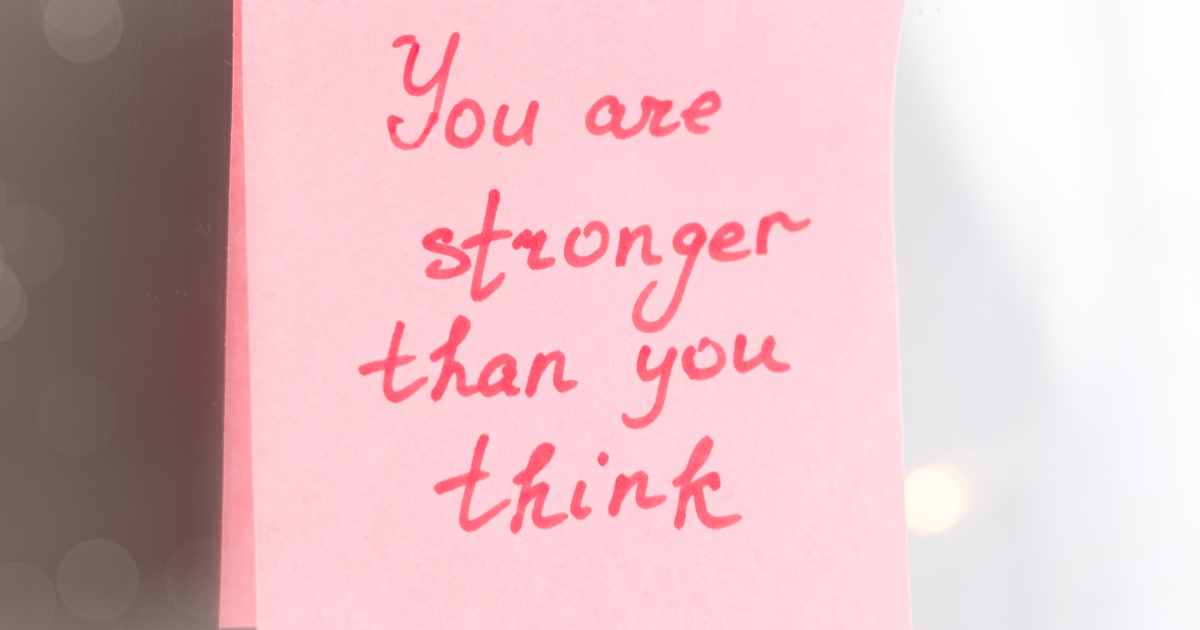
10. Every day I am growing stronger.
Children enjoy seeing themselves making progress.
11. I am proud of my effort.
Praise effort rather than results.
12. I can solve problems.
Encourages independence.
13. I have many good qualities.
Help children recognise their strengths.
14. I am a good friend.
Supports healthy social confidence.
15. I can stay calm.
Especially helpful before school or bedtime.
16. My voice matters.
Encourages confident communication.
17. I don’t have to be perfect.
Perfectionism often damages confidence.
18. I am getting stronger every day.
Small improvements soon add up.
19. I can always learn.
Promotes a healthy growth mindset.
20. I believe wonderful things are possible.
Optimism encourages resilience.
How Parents Can Use Positive Affirmations Every Day
Children respond best when affirmations become part of everyday family life.
Try using them:
- During breakfast
- On the school run
- Before sports clubs
- Before bedtime
- While looking in a mirror together
- During difficult moments
- After setbacks
Keep them gentle and natural rather than forced.
If your child often struggles to believe in themselves, you may also enjoy reading 7 Warning Signs of Low Self-Esteem in a Child – How to Build Them Up. This guide explains how to recognise confidence struggles early and offers practical ways to help children develop healthier self-belief.
When Positive Affirmations Don’t Seem to Work
Some children feel uncomfortable saying affirmations at first.
That’s perfectly normal.
Rather than insisting they repeat every sentence, simply let them hear encouraging words from you.
For example:
“I noticed how brave you were today.”
“You kept trying even when it was difficult.”
“I’m proud of how kind you were.”
Real-life praise makes affirmations feel authentic.
Murphy’s Gentle Confidence Support
If your child struggles with confidence or worries about trying new things, Murphy Finds His Brave Heart (you can order a copy here on my shop). gently teaches children that courage isn’t about never feeling afraid—it’s about taking small brave steps.
Or if you prefer you can order your copy on Amazon HERE
Also you can Explore all my children’s emotional wellbeing books HERE: on my shop
A Final Thought
Positive affirmations for kids are not about pretending everything is perfect. They’re about helping children build an inner voice that says:
“I can cope.”
“I can learn.”
“I am loved.”
“I matter.”
Those simple beliefs can become the foundation for lifelong confidence. With patience, encouragement and daily practice, your child can begin to see themselves through kinder eyes.
Free Confidence Colouring Page
Looking for another simple confidence-building activity?
Download my free Murphy colouring page to enjoy together while chatting about bravery, kindness and positive thoughts.


