
INTRODUCTION
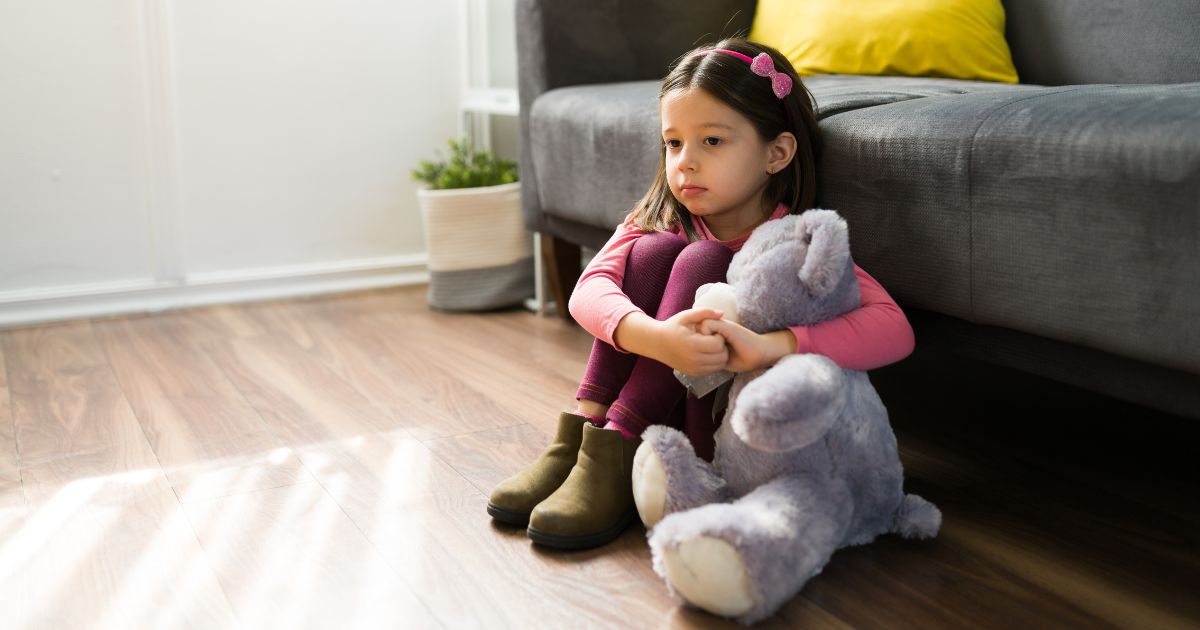
Child who has no friends is one of the most heartbreaking concerns a parent can face. Seeing your child left out, sitting alone, or feeling rejected can leave you feeling worried and helpless.
The good news is that friendship skills can be learned. Many children who struggle socially go on to develop strong, healthy friendships when they receive the right support and encouragement.
As a counsellor with many years of experience working with children, young people, and families, I have met countless parents concerned about a child who has no friends. Often these children are kind, caring, and thoughtful. They simply need a little help building confidence, understanding social situations, or finding opportunities to connect with others.
In this article, we’ll explore seven gentle and practical ways to help a child who has no friends develop meaningful friendships and greater self-confidence.
Why Does a Child Have No Friends?
Before looking at solutions, it helps to understand some possible reasons why a child who has no friends may be struggling.
These can include:
- Shyness or social anxiety
- Low self-esteem
- Difficulty reading social cues
- Moving schools or areas
- Being naturally quiet or introverted
- Feeling different from peers
- Previous experiences of rejection or bullying
Understanding the reason behind the struggle allows you to respond with empathy rather than frustration.
Building Strong Friendship Skills Takes Time
Friendship skills are learned gradually through practice, encouragement, and positive experiences. If your child who has no friends is struggling socially, you may also find help in my article 7 Powerful Ways to Help Children Build Friendships That Last. In that guide, I share practical strategies for teaching children how to start conversations, show kindness, handle disagreements, and develop healthy friendships that grow over time.
1. Listen Without Judging
When your child says, “Nobody likes me,” your first instinct may be to reassure them immediately.
Instead, start by listening.
You might say:
“That sounds really difficult. Tell me more about what happened.”
Allow your child to express their feelings without trying to fix everything straight away.
Children often feel better simply because someone understands their hurt.
A child who has no friends needs to know that their feelings matter and that they are not facing the problem alone.
2. Build Confidence at Home
Friendships often grow more easily when children feel good about themselves.
Look for opportunities to notice:
- Effort
- Kindness
- Creativity
- Courage
- Persistence
Instead of saying:
“You’re amazing.”
Try saying:
“I noticed how kind you were helping your brother today.”
Specific praise helps children develop genuine confidence rather than relying on external approval.
If your child struggles with confidence, you may also enjoy reading:
How to Help a Shy Child at School: 7 Easy Ways to Build Confidence
This article offers practical strategies for helping children feel more secure in social situations.
3. Teach Friendship Skills Through Everyday Life
Some children naturally pick up social skills. Others need guidance.
Practice simple friendship skills such as:
- Taking turns
- Asking questions
- Making eye contact
- Sharing interests
- Listening to others
Role-playing can be surprisingly effective.
You could practice:
- How to join a game
- How to start a conversation
- How to invite someone to play
These small skills can make a big difference for a child who has no friends.
Teaching Sharing Builds Stronger Friendships
One of the most important friendship skills children learn is sharing. While it can be frustrating when a child refuses to share toys or take turns, this is a skill that develops gradually with patience and practice. Learning to share helps children build trust, cooperate with others, and enjoy playing together.
If you’re wondering how to teach a child to share, you may find my article How to Teach a Child to Share: 7 Simple Ways That Really Work helpful. It explains why sharing can be difficult for young children and offers gentle, practical strategies to encourage kindness, turn-taking, and cooperation without pressure.
4. Focus on One Friendship Rather Than Many
Parents sometimes worry because their child doesn’t have a large group of friends.
Remember that quality matters more than quantity.
Many happy children have only one or two close friends.
Help your child identify classmates or neighbours who share similar interests.
A single healthy friendship can dramatically improve confidence and emotional wellbeing.
5. Encourage Activities Based on Interests
Friendships often develop naturally when children spend time doing activities they enjoy.
Consider:
- Sports clubs
- Art groups
- Drama classes
- Scouts or Guides
- Church groups
- Community activities
Shared interests create natural opportunities for conversation and connection.
A child who has no friends at school may thrive in a completely different environment where they feel accepted and valued.
Murphy’s Book Recommendation
If your child struggles with friendships and confidence, they may enjoy Murphy Makes New Friends – A Little Dog Learns to Welcome Others. available on my shop. It is also available to purchase on AMAZON – Murphy Makes New Friends
The story gently teaches children about friendship, inclusion, kindness, and confidence in social situations.
Explore all my children’s emotional wellbeing books here:
You can also find Murphy books on Amazon.
Stories often help children learn important life lessons in a safe and engaging way.
6. Help Your Child Manage Anxiety
Sometimes a child who has no friends is actually dealing with anxiety rather than a lack of social skills.
They may:
- Worry about saying the wrong thing
- Fear rejection
- Avoid social situations
- Feel overwhelmed in groups
Teaching calming strategies can help:
- Deep breathing
- Positive self-talk
- Mindfulness exercises
- Gradual exposure to social situations
If anxiety seems to be playing a role, you may find this helpful:
Why Is My Child So Anxious? 7 Proven Insights Every Parent Needs
Understanding anxiety can help you support your child more effectively.
7. Avoid Labelling Your Child
Be careful not to describe your child as:
- Shy
- Awkward
- Unsociable
- Lonely
Even when said lovingly, labels can become part of a child’s identity.
Instead, focus on growth.
Try saying:
“Making friends is something we’re learning together.”
This creates hope and encourages resilience.
A child who believes they can improve is far more likely to keep trying.
When Should Parents Be Concerned?
If a child who has no friends seems persistently unhappy, isolated, anxious, or withdrawn, it may be worth speaking with:
- Their teacher
- School pastoral staff
- A counsellor
- A healthcare professional
Early support can prevent loneliness from affecting confidence and emotional wellbeing over time.
Remember, many children experience friendship difficulties at different stages of childhood. Struggling socially now does not mean they will struggle forever.
Final Thoughts
If you are worried about a child who has no friends, try not to panic. Friendships develop at different rates, and every child is unique.
With patience, encouragement, and gentle support, a child who has no friends today can learn the skills and confidence needed to build meaningful relationships tomorrow.
Focus on helping your child feel valued, accepted, and understood. When children believe in themselves, friendships often follow naturally.
Free Resource
Looking for a calming activity for your child?
Download a free Murphy colouring page here:
Free Murphy Colouring Page: Here