INTRODUCTION - SELF-REGULATION ACTIVITIES FOR KIDS
Self-regulation activities for kids can help children learn how to recognise big feelings, calm their bodies and gradually manage their emotions in healthier ways. If your child quickly becomes angry, frustrated, anxious or overwhelmed, you may sometimes wonder how you can help them gain more control without constantly having to step in.
As a counsellor, I have worked with many children who found it difficult to manage strong emotions. Often, these children weren’t deliberately being difficult. They simply hadn’t yet developed the skills they needed to recognise what was happening inside them and know what to do next.
The encouraging news is that self-regulation is something children can learn and practise.
In this article, we’ll explore 10 simple self-regulation activities for kids that you can practise during everyday life to help your child develop greater calm, emotional awareness and confidence.
What Is Self-Regulation in Children?
Self-regulation is a child’s developing ability to recognise and manage their emotions, thoughts and behaviour.
For example, a child learning self-regulation may gradually begin to recognise:
“I’m getting really angry.”
“My tummy feels funny because I’m worried.”
“I need to take a break before I shout.”
This doesn’t mean children should never become angry, worried, disappointed or frustrated.
The goal isn’t to remove difficult emotions. It is to help children understand what they are feeling and develop healthy ways of responding.
If you’d like a wider selection of calming ideas, you may also find my main guide 10 Calming Activities for Kids That Actually Work helpful.
1. Help Your Child Name Their Feelings
Before children can regulate an emotion, they need to begin recognising it.
During calm moments, help your child put simple names to feelings:
- Happy
- Sad
- Angry
- Worried
- Frustrated
- Excited
- Disappointed
- Scared
You might say:
“You looked disappointed when the game ended.”
or:
“I wonder if you’re feeling worried about tomorrow.”
Try not to tell your child what they should be feeling. Instead, gently help them become curious about their emotions.
2. Practise Slow Breathing Together
Slow breathing is one of the simplest self-regulation activities for kids because it teaches children that they can use their body to help themselves feel calmer.
Try this together:
- Breathe in slowly through the nose.
- Pause gently.
- Breathe out slowly through the mouth.
- Repeat several times.
Keep it playful, particularly with younger children.
You could pretend to smell a flower and then slowly blow out a candle.
3. Use Grounding to Return to the Present
When children become anxious or overwhelmed, their thoughts can race ahead to everything that might go wrong.
Grounding helps bring their attention back to what is happening around them right now.
Try asking:
- What can you see?
- What can you hear?
- What can you touch?
- Can you feel your feet on the floor?
- Can you find three blue things in the room?
These simple questions give the child’s brain something concrete and safe to focus on.
For more ideas, read Grounding Exercises for Kids: 10 Powerful Ways to Calm Big Feelings
4. Create a Calm-Down Space
Children sometimes need a little space before they are ready to talk.
Create a comfortable area where your child can go when emotions begin to build.
You might include:
- Cushions
- A soft blanket
- Favourite books
- Colouring pencils
- A cuddly toy
- Sensory items
A calm-down space should never feel like punishment.
Instead, teach your child:
“This is somewhere you can go when your body needs a little help getting calm again.”
Add a Few Calming Tools Your Child Can Choose
Once you’ve created a calm-down space, it can help to add a few simple calming tools for kids that your child can choose when they begin to feel overwhelmed.
You don’t need to fill the space with expensive sensory equipment. A stress ball, bubbles, colouring materials, a favourite soft toy or a few comforting sensory objects may be enough.
The important thing is helping your child discover which tools actually help them. One child may find squeezing a stress ball calming, while another may prefer blowing bubbles, drawing or holding something soft.
If you’d like some practical ideas, read Calming Tools for Kids: 10 Powerful Tools to Help Big Feelings Settle. It includes 10 simple tools you can introduce at home to help children manage worry, frustration, anger and overwhelm.
5. Use Movement to Release Big Feelings
Some children find it almost impossible to sit quietly when they are emotionally overwhelmed.
They may need to move first.
Try:
- Jumping
- Stretching
- Dancing
- Walking
- Shaking arms and legs
- Animal walks
- Running outside
Movement can help release physical tension before you introduce a quieter activity.
This is an important part of finding self-regulation activities for kids that suit the individual child. What calms one child may frustrate another.
6. Read Stories About Big Feelings
Stories can help children understand emotions without feeling that they are being lectured.
When a character experiences worry, anger or frustration, you can gently talk about what happened.
Ask questions such as:
“How do you think they felt?”
“What helped them?”
“What could they try next time?”
If you’d like to continue supporting your child at home, my children’s book Murphy Helps with Big Feelings was created to help young children understand difficult emotions in a gentle, reassuring way.
You can explore Murphy’s Brave & Calm Series in my shop or find Murphy’s books on Amazon.
Reading together also provides something children need when they are learning self-regulation — connection with a trusted adult.
7. Teach Your Child to Pause
One of the most valuable self-regulation skills a child can learn is to create a small pause between the feeling and the reaction.
You might teach three simple steps:
STOP – BREATHE – CHOOSE
For example:
“I’m angry.”
STOP: Don’t hit or shout.
BREATHE: Take one slow breath.
CHOOSE: Walk away, ask for help or explain what happened.
Your child won’t remember this every time, especially when emotions are intense. That’s okay. Self-regulation develops gradually through repeated practice.
8. Use an Emotion Scale
Some children find it easier to understand emotions when they can see them.
Create a simple scale from 1–5:
1 – Calm
2 – A little uncomfortable
3 – Feelings are getting bigger
4 – Very upset
5 – Overwhelmed
During peaceful moments, talk about what each number might feel like in their body.
Then ask:
“What could help when you’re at a 2?”
“What could we do when you reach a 4?”
This helps children learn to notice emotions before they become overwhelming.
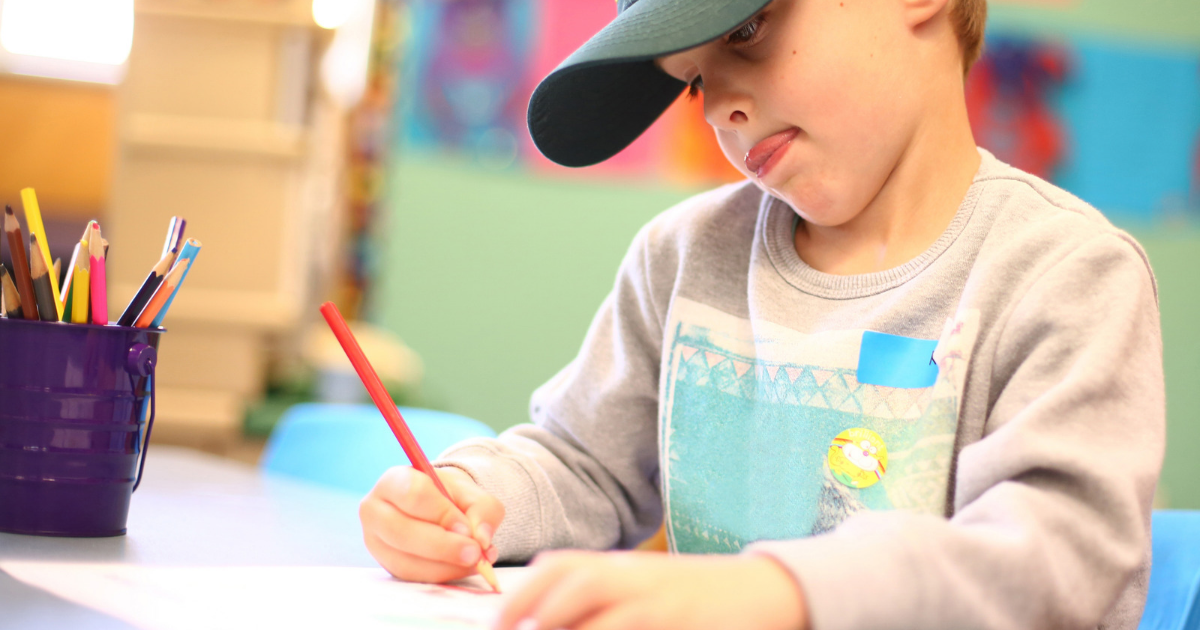
9. Colour or Draw the Feeling
Children don’t always have the words to explain what’s happening inside them.
Drawing can give them another way to express it.
Try asking:
“If your worry had a colour, what colour would it be?”
“Can you draw what your anger feels like?”
“What would calm look like?”
Don’t worry about interpreting the picture. Allow your child to explain it if they want to.
The activity itself can provide a gentle pause while emotions begin to settle.
10. Practise Self-Regulation When Your Child Is Calm
This may be the most important point of all.
Don’t wait until your child is having a meltdown to introduce these activities.
Practise during ordinary moments.
You could:
- Take three slow breaths before bedtime.
- Talk about feelings after school.
- Practise STOP – BREATHE – CHOOSE while playing.
- Use grounding during a walk.
- Colour together at the weekend.
- Ask your child where they feel different emotions in their body.
Regular practice helps these strategies become familiar.
When big feelings eventually arrive, your child has already experienced some of the tools that may help.
Your Child Still Needs You
Self-regulation doesn’t mean expecting young children to manage every difficult feeling by themselves.
Children often learn to regulate their emotions through co-regulation first — experiencing the calm, reassurance and support of a trusted adult.
Sometimes the most helpful thing you can do is sit nearby and say:
“I’m here. We’ll work through this together.”
Your calm presence can become the safe foundation from which your child gradually develops their own emotional skills.
Free Calming Resource for Your Child
If your child enjoys creative activities, you can also download my Free Murphy Colouring Page.
Colouring can provide a quiet activity to practise when your child is calm, and it may later become one of the familiar tools they choose when they need a little help settling.
Final Thoughts on Self-Regulation Activities for Kids
Learning self-regulation takes time.
Your child will still have difficult days. They may forget everything you’ve practised and need your help again. That doesn’t mean the activities aren’t working.
Each time you help your child name a feeling, pause before reacting, take a breath or choose a healthier response, you are helping them practise an important lifelong skill.
Start with just one or two self-regulation activities for kids that suit your child’s personality and practise them together when life is calm.
With patience, repetition and your reassurance, your child can gradually learn something incredibly valuable:
Big feelings are okay — and there are things I can do to help myself through them.