
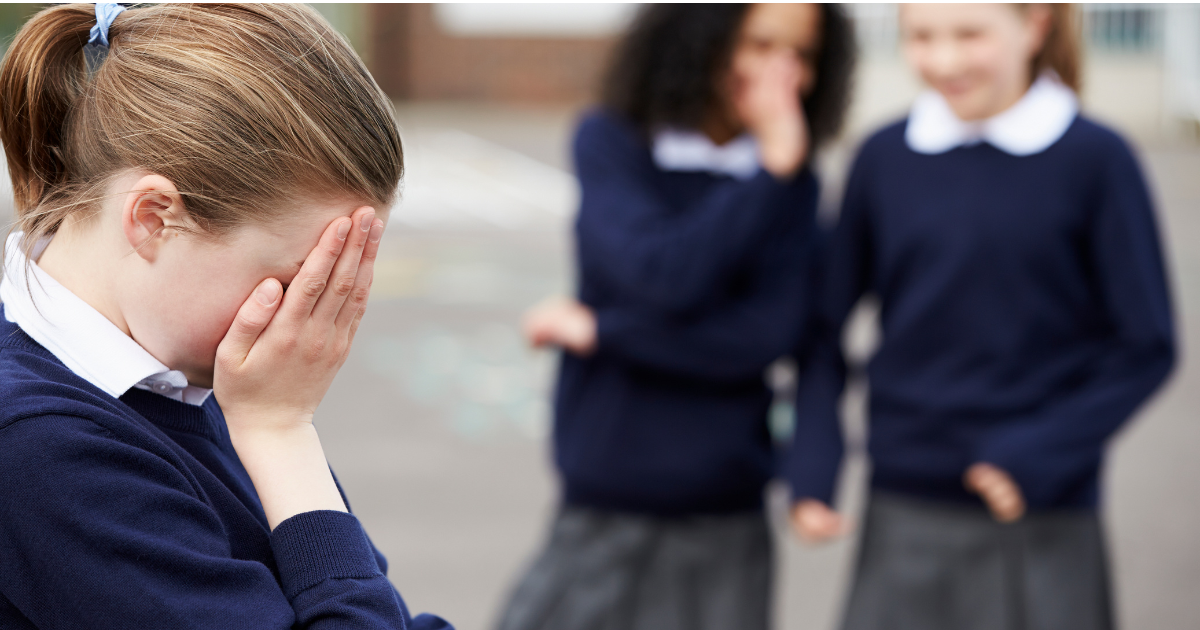
INTRODUCTION - HOW TO TALK TO YOUR CHILD'S SCHOOL ABOUT BULLYING
How to talk to school about bullying is something many parents struggle with after discovering their child is being bullied. You may feel angry, worried or unsure what to say. You want to protect your child, but you also want to build a positive relationship with the school so everyone can work together to resolve the situation.
As a counsellor, I worked with many families whose children had experienced bullying. Parents often told me they felt anxious before speaking to teachers because they didn’t want to make matters worse or be seen as overreacting. The encouraging news is that most schools genuinely want children to feel safe, happy and supported. Knowing how to talk to school about bullying calmly and confidently can help everyone focus on finding the best solution for your child.
In this guide, you’ll discover 9 essential steps that will help you prepare for the conversation, work alongside school staff and give your child the support they need.
Why Talking to School About Bullying Matters
Bullying rarely improves if adults don’t know it is happening.
Many children keep bullying secret because they feel embarrassed, frightened or worry they will get into more trouble if they tell someone.
By learning how to talk to school about bullying, you give teachers the opportunity to investigate what is happening, protect your child and prevent further incidents.
The earlier concerns are raised, the sooner support can begin.
1. Gather the Facts Before Contacting the School
Before arranging a meeting, gently ask your child to tell you what has happened.
Useful questions include:
- What happened?
- Who was involved?
- Where did it happen?
- Has it happened before?
- Were there any witnesses?
Allow your child to speak without interrupting.
Write down dates, places and important details while they are fresh in your mind.
Having clear information helps the school investigate more effectively.
2. Arrange a Meeting Rather Than a Playground Conversation
If possible, request a private meeting instead of trying to discuss the issue during school drop-off or pick-up.
A planned meeting allows everyone enough time to listen carefully and consider possible solutions.
When requesting the meeting, simply explain that you would like to discuss concerns about bullying and work together to support your child.
3. Stay Calm and Focus on Working Together
One of the biggest parts of how to talk to school about bullying is keeping the conversation calm.
Although you may feel upset, approaching staff respectfully usually leads to a far more productive discussion.
Instead of saying:
“The school has failed my child.”
Try saying:
“I’m concerned about what has been happening and I’d really like us to work together to help my child feel safe again.”
This creates partnership instead of conflict.
4. Explain How the Bullying Is Affecting Your Child
Don’t only describe the bullying itself.
Explain the emotional impact.
For example, your child may have become:
- anxious
- withdrawn
- reluctant to attend school
- tearful
- unable to sleep
- complaining of stomach aches
Helping staff understand these changes allows them to appreciate the seriousness of the situation.
Helping Your Child Rebuild Confidence
Being bullied can leave children doubting themselves long after the bullying has stopped.
That’s one reason I wrote Murphy Finds His Brave Heart. (can be purchased HERE my shop) Through Murphy’s gentle story, children discover that courage isn’t about never feeling frightened—it’s about finding the confidence to keep going even when life feels difficult.
If your child is still struggling with confidence after the bullying has stopped, I’ve also written a practical guide called How to Rebuild a Child’s Confidence After Bullying – 7 Easy and Simple Steps. It explains simple, encouraging ways to help children believe in themselves again, rebuild resilience, and move forward with greater confidence.
Explore all my children’s emotional wellbeing books here:
Also available on Amazon: MURPHY’S BRAVE & CALM SERIES
5. Ask About the School’s Anti-Bullying Policy
Every school should have procedures for dealing with bullying.
Useful questions include:
- How will the incident be investigated?
- Who will support my child?
- How will I be updated?
- What happens if the bullying continues?
- What should my child do if another incident happens?
Understanding the school’s approach helps everyone know what to expect.
What If the School Says Your Child Has Been Bullying Others?
Sometimes parents are surprised to discover that their own child has been involved in bullying behaviour. It can be upsetting to hear, but it’s important to approach the conversation with an open mind and a willingness to work alongside the school.
Rather than becoming defensive, ask staff what they have observed, listen carefully to the information they share, and discuss how you can support positive changes both at school and at home. Children who bully often need guidance, consistent boundaries and help understanding the impact of their actions.
If you’re facing this difficult situation, you may also find my guide What to Do If Your Child Is Bullying Others: 7 Positive Ways to Change Behaviour helpful. It explains practical, compassionate ways to address the behaviour while helping your child develop empathy, responsibility and healthier friendship skills.
6. Agree on a Clear Support Plan
Knowing how to talk to school about bullying also means agreeing on practical next steps.
These might include:
- regular teacher check-ins
- increased playground supervision
- seating changes
- friendship support
- identifying a trusted adult
- creating a safe place during break times
A written action plan often provides reassurance for both parents and children.
7. Keep a Record of Everything
After each meeting, write down:
- dates
- staff members present
- agreed actions
- follow-up emails
- further incidents
Good records help everyone stay focused and provide useful information if further meetings are needed.
8. Continue Supporting Your Child at Home
Even when the school is helping, your child still needs emotional reassurance.
Simple phrases such as:
“I’m proud you told me.”
“You don’t have to deal with this on your own.”
“We’ll work through this together.”
These words remind children they are safe and supported.
Helping Your Child Rebuild Confidence After Bullying
Working with the school is an important part of stopping the bullying, but your child’s emotional recovery continues long after the meetings have ended. Many children lose confidence in themselves and begin to doubt their abilities or worry about making friends again.
If you’d like practical ways to help your child regain their self-belief, you may find my article How to Rebuild a Child’s Confidence After Bullying – 7 Easy and Simple Steps helpful. It shares gentle, everyday strategies to rebuild confidence, strengthen resilience, and help children feel secure enough to enjoy school and friendships again.
9. Arrange a Follow-Up Meeting
Bullying situations rarely resolve overnight.
Before leaving your meeting, ask when you can review progress.
Questions to ask include:
- Has the situation improved?
- Have there been any further concerns?
- Does my child seem happier?
- Is more support needed?
Regular communication helps maintain momentum.
When Should You Escalate Your Concerns?
Most schools work hard to resolve bullying.
However, if problems continue despite repeated discussions, you may need to:
- speak with the Head Teacher
- request a formal review
- follow the school’s complaints procedure
- seek additional support if necessary
The priority is always your child’s safety and wellbeing.
Frequently Asked Questions – How to talk to school about bullying
Should I tell the school if my child asks me not to?
Yes. Explain that your role is to help keep them safe and that you’ll speak with the school carefully and respectfully.
What if the school says it isn’t bullying?
Stay calm and ask what information has been gathered. Continue sharing your concerns and focus on your child’s wellbeing rather than the label.
How quickly should schools respond?
Most schools acknowledge concerns promptly, although investigations may take several days. Ask when you can expect an update.
Final Thoughts – How to talk to school about bullying
Learning how to talk to school about bullying can feel daunting, but remember that you don’t have to face it alone.
Most teachers want every child to feel safe and included. By approaching conversations calmly, sharing clear information and working together on practical solutions, you greatly increase the chances of helping your child feel secure again.
Above all, remind your child that bullying is never their fault. With caring adults working together, children can rebuild confidence, feel supported and enjoy school once more.
Related Articles
If your child is struggling with bullying, these guides may also help:
My Child Is Being Bullied – 7 Gentle but Powerful Ways to Support Them
What to Do If Your Child Is Bullying Others: 7 Positive Ways to Change Behaviour
Panic Attacks in Children – 7 Powerful Things Every Parent Should Do and Say
How to Rebuild a Child’s Confidence After Bullying – 7 Easy and Simple Steps
Free Printable
Help your child express big feelings with my FREE Children’s Emotional Wellbeing Colouring Pages.
These printable colouring pages encourage calm, emotional expression and gentle conversations about difficult feelings.