
INTRODUCTION - CALMING ACTIVITIES FOR KIDS
Calming activities for kids can make a powerful difference when your child feels overwhelmed, anxious, frustrated, or simply unable to settle. Children do not always have the words to explain what is happening inside them, so having simple ways to calm their bodies and emotions can be incredibly helpful.
As a counsellor, I have supported many parents who felt unsure about how to help their child during moments of distress. I remember one mother sharing how her child became tearful and restless every evening and simply didn’t know how to calm down. With gentle support, reassurance and some simple calming techniques, her child gradually learned ways to feel safer and more relaxed.
The encouraging news is that children do not need complicated strategies. Often, simple activities such as breathing together, colouring, moving their bodies, listening to music or spending quiet time with someone they trust can make a meaningful difference.
In this guide, I’ll share 10 calming activities for kids that actually work, along with simple and gentle ways you can use them at home.
Why Do Calming Activities Help Children?
When children become worried, angry, frustrated or overwhelmed, it can be difficult for them to think clearly or explain what they need.
At these times, simply telling a child to “calm down” is rarely enough. They often need our help to discover how to calm themselves.
Calming activities give children something practical to focus on while their bodies and emotions begin to settle. With regular practice, children can also start recognising which strategies work best for them.
The goal isn’t to prevent children from experiencing difficult emotions. Worry, anger, sadness and frustration are normal parts of childhood.
Instead, we want to help children develop healthy ways to recognise and manage those feelings.
If your child finds this particularly difficult, you may also find 7 Powerful Emotional Regulation Activities for Kids That Really Help useful. These activities can help children gradually understand and manage their emotions more effectively.
1. Try Gentle Creative Play
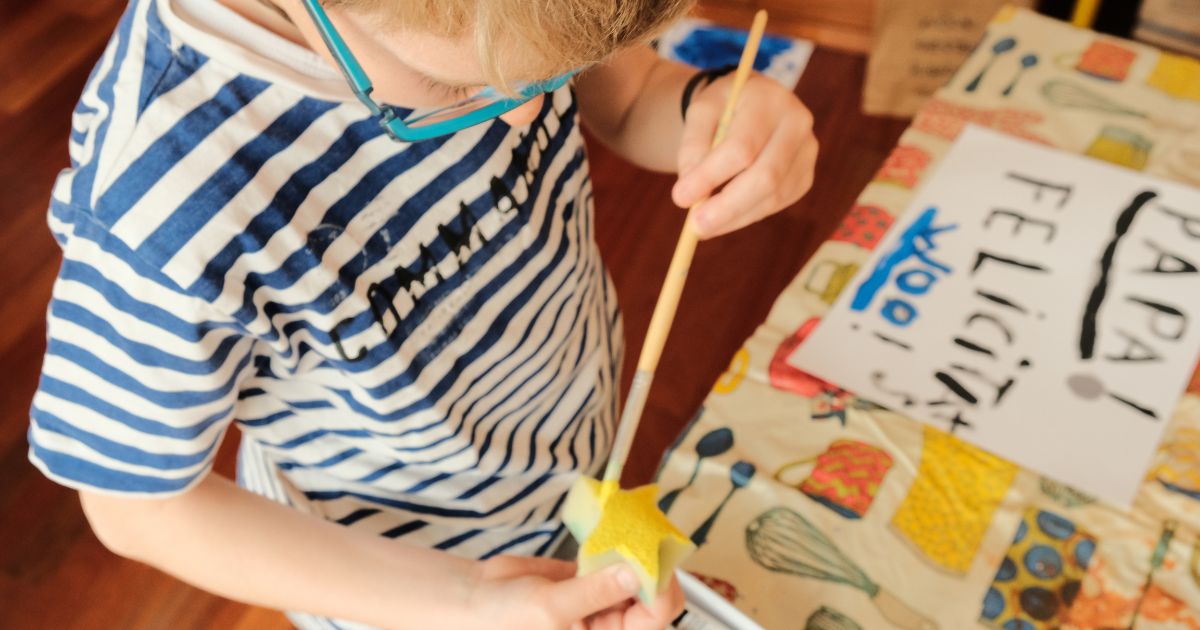
Creative play is one of the simplest calming activities for kids because it allows children to slow down, concentrate and express themselves without having to find the right words.
You could try:
- Drawing
- Painting
- Play dough
- Cutting and sticking
- Making cards
- Simple crafts
- Painting small objects
You don’t need to make the activity complicated. Sometimes simply sitting together with crayons, paper or paint provides the quiet space a child needs to begin settling.
Try not to focus too much on whether the finished creation looks “right.” The calming process is far more important than the finished result.
If your child enjoys being creative, you can find more inspiration in Easy Art and Crafts for Kids: 10 Brilliant Creative Activities Children Love
2. Colour Together for Calm
Colouring can be particularly soothing for children with busy minds.
Choosing colours and concentrating on a simple picture gives the mind something gentle to focus on. It can also create a quiet opportunity for children to talk if something has been troubling them.
You might sit beside your child and colour too.
There doesn’t always need to be a conversation. Sometimes your calm presence is enough.
I’ve created a Free Colouring Page for Kids – Murphy’s Calm Garden Activity that you can print and use as a simple calming activity at home.
3. Practise Deep Breathing Together
Deep breathing is one of the easiest calming techniques for children because it can be used almost anywhere.
Instead of simply telling your child to “take a deep breath,” try doing the exercise together.
For example:
- Breathe in slowly for 4
- Hold gently for 2
- Breathe out slowly for 6
Repeat this a few times without putting pressure on your child to do it perfectly.
When you breathe slowly alongside your child, you’re also showing them that they don’t have to manage their difficult feelings alone.
For more playful ideas, read 7 Simple Breathing Exercises for Children That Help Calm Big Feelings. It includes child-friendly techniques such as bubble breathing, teddy bear breathing and rainbow breathing.
Breathing is only one of the calming skills children can learn. If you’d like to give your child a wider range of simple strategies to use when big feelings begin to build, you may also find 7 Powerful Calming Techniques for Kids That Really Work helpful. It includes practical techniques children can gradually learn to use when they feel worried, frustrated or overwhelmed.
4. Create a Calming Corner
A calming corner gives children somewhere safe and comfortable to go when the world feels a little too much.
It doesn’t need to be a separate room or an expensive setup. A small corner of a bedroom or living room can work beautifully.
You might include:
- A soft cushion
- A favourite cuddly toy
- A blanket
- Books
- Colouring materials
- A sensory toy
- Gentle lighting
Most importantly, try not to make the calming corner feel like a punishment.
It should be somewhere your child chooses to go to feel safe and settled, rather than somewhere they are sent because they have behaved badly.
If you’d like to create one, my guide 15 Creative Calming Corner Ideas Every Parent Can Easily Create at Homehas lots of simple, budget-friendly ideas.
5. Try Sensory Calming Activities
Some children respond particularly well to activities involving their senses.
When a child feels overwhelmed by noise, busy surroundings, strong emotions or too much stimulation, a gentle sensory activity can give them something safe and predictable to focus on.
Depending on your child, you might try:
- Playing with water
- Squeezing play dough
- Holding a soft toy
- Playing with different textures
- Wrapping up in a soft blanket
- Slowly rocking or swaying
- Listening to gentle nature sounds
Every child is different, so pay attention to what your child finds soothing rather than assuming the same activity will work for everyone.
You can discover more ideas in 7 Sensory Calming Activities for Children Who Feel Overwhelmed.
6. Read a Calming Story Together
Stories can be a wonderful way of helping children understand feelings they find difficult to explain themselves.
A child may recognise their own worries in a character and begin to understand that other children experience similar emotions too.
Reading together also provides something else that’s incredibly important — connection.
Sit somewhere comfortable, allow your child to snuggle close if they want to, and make story time feel safe rather than rushed.
My children’s book Murphy Helps with Worries – Learning to Feel Safe and Calm Inside was created to help young children understand worries in a gentle and reassuring way.
You can also find Murphy Helps with Worries on Amazon.
Does Your Child Find It Difficult to Settle at Bedtime?
Bedtime can be one of the hardest times for children to slow down. Once the day becomes quiet, worries can appear, busy minds may struggle to switch off, and some children simply find it difficult to move from playtime to sleep.
A gentle and predictable bedtime routine can help your child recognise that it’s time for their body and mind to relax. Simple activities such as quiet colouring, bedtime breathing, gentle stretching, reading together and talking about the day can all make the transition towards sleep feel calmer.
If bedtime is a difficult time in your home, read 10 Calming Activities for Kids Before Bed That Really Help Them Settle for simple activities you can introduce into your child’s evening routine.
7. Take a Gentle Nature Walk
Spending time outdoors is one of the most natural calming activities for kids.
You don’t need to plan a long walk or special outing. Even a short walk around the garden, local park or neighbourhood can give a child a change of environment and an opportunity to reset.
While you’re walking, gently encourage your child to notice what’s around them.
You could ask:
“What can you hear?”
“Can you find something green?”
“Can you spot a bird?”
“What does the air feel like?”
This helps shift attention away from overwhelming thoughts and towards what is happening in the present moment.
This is also a simple form of mindfulness.
For more ideas like this, read 10 Fun Mindfulness Activities for Kids That Build Calm and Confidence.
Try Grounding Exercises When Big Feelings Take Over
Sometimes a child’s thoughts and feelings become so overwhelming that they need help bringing their attention back to what is happening right here, right now.
This is where grounding exercises for kids can be particularly helpful.
Simple grounding activities encourage children to notice what they can see, hear, touch, smell or feel around them. Rather than trying to make the difficult feeling disappear, grounding gives their mind something safe and familiar to focus on while their emotions begin to settle.
For example, you might ask your child to name five things they can see, feel their feet firmly on the floor, hold a favourite soft toy, or slowly notice the sounds around them.
If your child struggles with anxiety, worry or overwhelming emotions, read Grounding Exercises for Kids: 10 Powerful Ways to Calm Big Feelings
I’ve included 10 simple grounding techniques that parents can practise with children at home, at school or whenever big feelings begin to take over.
8. Use Movement to Release Tension
Not every child calms down by sitting still.
Sometimes children need to move before they can settle.
When children are anxious, frustrated or overwhelmed, they may carry a lot of physical tension in their bodies. Gentle movement provides a healthy way of releasing some of that energy.
Try:
- Stretching
- Gentle jumping
- Slow dancing
- Walking
- Reaching towards the ceiling and then towards the toes
- Shaking out arms and legs
- Simple animal movements
Don’t insist that your child becomes still immediately afterwards. Give their body time to gradually settle.
Movement can become another useful tool your child learns to choose when they recognise that tension is building.
9. Help Your Child Talk About Their Feelings
Sometimes one of the most effective calming activities for kids isn’t really an activity at all.
It’s being listened to.
When a child is upset, our natural instinct can be to fix the problem immediately. But sometimes children first need someone to hear what they’re feeling.
You might gently ask:
“Do you want to tell me what’s making you feel this way?”
“Was something difficult today?”
“What would help you feel a little safer right now?”
Your child may not answer immediately — and that’s okay.
Try not to ask too many questions at once.
Your calm presence communicates something very important:
I’m here. You’re safe. We can work through this together.
10. Offer Comfort and Connection
Never underestimate the calming power of a trusted adult.
For some children, what they need most when emotions become overwhelming is connection.
Depending on what your child is comfortable with, this might mean:
- A hug
- Sitting close together
- Holding hands
- Wrapping up in a blanket
- Reading together
- Simply staying nearby
Children gradually learn emotional regulation through repeated experiences of being comforted and supported.
Over time, the calm they experience with you can help them develop their own ways of soothing themselves.
What If My Child Is Too Upset for a Calming Activity?
There will be times when your child is already so overwhelmed that they cannot follow instructions, talk about what happened or practise a breathing exercise.
During these intense moments, introducing lots of new calming activities may actually feel like another demand.
Your priority is usually to remain calm yourself, keep your child safe and reduce stimulation until the intensity begins to pass.
Once your child is beginning to settle, you can gently reconnect and help them recover.
If this happens regularly, read How to Help a Child Calm Down During a Meltdown: 12 Powerful Strategies That Really Work for more detailed step-by-step guidance.
You may also find How to Calm a Child Down: 7 Effective Techniques That Truly Work helpful for difficult emotional moments.
What Are the Best Calming Activities for Anxious Kids?
Although these calming activities for kids can help many children, anxiety sometimes requires a slightly different approach.
An anxious child may repeatedly worry about school, friendships, making mistakes, separation, new situations or things that might happen in the future.
Activities such as grounding, breathing, worry boxes, calm jars and mindfulness can give anxious children practical ways to manage those feelings.
If anxiety is the main reason your child struggles to settle, read 10 Powerful Calming Activities for Anxious Kids That Really Work.
You may also find my main anxiety guide How to Help an Anxious Child: 7 Powerful Ways to Feel Calm That Really Work helpful.
How Often Should Children Practice Calming Activities?
One of the most important things to remember is that children learn calming skills before they need them most.
If a breathing exercise is introduced for the first time in the middle of a major meltdown, your child may simply be too overwhelmed to use it.
Instead, practice calming activities during ordinary, peaceful moments.
For example, you might:
- Spend five minutes colouring after school
- Practise a breathing exercise before bedtime
- Take a short nature walk after dinner
- Have quiet reading time
- Use the calming corner when your child is only mildly unsettled
- Practise a mindfulness activity at the weekend
Calming activities don’t need to become another task on the family schedule.
A few minutes regularly can be enough.
Over time, your child may begin to recognise:
“I’m starting to feel overwhelmed. I know something that might help me.”
That is an important emotional skill that can continue developing as your child grows.
Help Your Child Build Self-Regulation Skills
As children practice calming strategies regularly, something important begins to happen: they can gradually learn to recognise their feelings and choose what might help them feel more in control.
This is an important part of self-regulation.
Self-regulation doesn’t mean expecting a child to manage big emotions alone. Young children still need plenty of reassurance, comfort and support from the adults they trust. But with gentle guidance and practice, they can begin learning skills that help them pause, notice what is happening inside their body and respond in healthier ways.
For example, your child might learn to recognise that their body is becoming tense, take some slow breaths when frustration begins to build, use movement when they feel restless, or choose a quiet activity when everything feels overwhelming.
If you’d like to help your child develop these skills, read Self-Regulation Activities for kids: 10 Powerful Ways to Build Calm and Control. I’ve included 10 simple activities parents can practice with children to help them gradually develop greater emotional awareness, calm and self-control.
Which Calming Activity Should I Try First?
There isn’t one best calming activity for every child.
Some children respond beautifully to breathing exercises. Others find sitting still frustrating and need movement first.
A creative child may naturally reach for colouring or drawing, while another child may find a walk outside much more soothing.
Start with two or three activities that seem to suit your child’s personality.
Notice what happens.
Does their breathing slow?
Does their body become less tense?
Do they start talking?
Do they seem happier or more settled afterwards?
Your child’s response can help you discover which calming tools are most useful for them.
Give Your Child a Choice of Calming Tools
As children begin to discover what helps them feel calmer, it can be useful to give them a small selection of calming tools they can choose from when big feelings start to build.
These don’t need to be expensive or complicated. Something as simple as a stress ball, bubbles, a favourite soft toy, colouring materials or a small sensory object can give your child something practical to focus on while their emotions begin to settle.
Giving children a choice can also help them gradually recognise what their own body needs. One child may want to squeeze something when they feel frustrated, while another may prefer slow breathing, colouring or holding something comforting.
If you’d like some simple ideas to try at home, read Calming Tools for Kids: 10 Powerful Tools to Help Big Feelings Settle. I’ve included 10 practical tools that can help children manage worry, anger, frustration and overwhelm in a gentle and reassuring way.
Help Your Child Recognise How Worried They Feel
Sometimes children find it difficult to choose a calming activity because they don’t yet recognise how worried or overwhelmed they are feeling.
A simple visual tool can make this much easier.
An anxiety thermometer for kids uses numbers, colours and facial expressions to help children show whether they feel calm, a little worried, very worried or completely overwhelmed. Once they begin recognising their level of worry, you can help them choose a calming activity that matches what they need.
For example, a small worry might respond well to colouring or slow breathing, while a child who feels completely overwhelmed may first need a trusted adult to stay close and help them feel safe.
I’ve created a simple guide explaining Anxiety Thermometer for Kids: 7 Simple Steps to Help Children Manage Worry It shows you how to introduce the thermometer gently, help your child recognise their body’s warning signs and connect different levels of worry with calming strategies they can use.
And remember — something that doesn’t work today may work at another time. Children are learning, and their needs change as they grow.
Helpful Resources for Parents
If worry is contributing to your child’s difficulty settling, read 7 Gentle and Powerful Ways to Calm a Worried Child That Really Help.
For more support with children’s anxiety, visit How to Help an Anxious Child: 7 Powerful Ways to Feel Calm That Really Work.
You can also explore my collection of children’s emotional wellbeing books in the Murphy Books Shop.
Final Thoughts – Calming Activities for kids
These calming activities for kids aren’t about stopping children from experiencing difficult emotions.
Children will sometimes feel worried, angry, disappointed, frustrated or overwhelmed. Those feelings are part of growing up.
What we can do is give children gentle tools to help them understand those feelings and gradually learn how to manage them.
As a counsellor, I have seen how small, consistent changes can make a meaningful difference for children and their families.
Try a few of these calming activities and notice which ones your child naturally responds to. One child may love breathing exercises, another may need movement, while another simply wants to colour, hear a favourite story or sit close to someone they trust.
There is no single perfect calming technique.
What matters is helping your child discover healthy ways to feel safe, supported and increasingly confident in managing their emotions.
And sometimes, the most powerful calming activity of all is simply knowing that someone they trust is right there beside them.